Orthopedic Care: What It Is, Who Needs It, and How It Helps You Heal
When your orthopedic care, specialized medical treatment for bones, joints, muscles, ligaments, and the spine. Also known as musculoskeletal medicine, it focuses on restoring movement and reducing pain after injury or due to aging. You don’t need to wait until you can’t walk or lift your arm to seek help. Many people delay visiting an orthopedic doctor until the pain becomes unbearable—but early care often means faster recovery and less long-term damage.
An orthopedic doctor, a specialist trained to diagnose and treat conditions affecting the musculoskeletal system doesn’t just fix broken bones. They handle everything from a pinched nerve in your neck to a slow-healing collarbone fracture. They know how a 70-year-old’s bones heal differently than a 25-year-old’s, and they can tell you exactly what nutrition, rest, and rehab will actually make a difference. This isn’t guesswork—it’s science backed by years of clinical experience.
The musculoskeletal system, the network of bones, muscles, tendons, ligaments, and joints that lets you move is more than just structure. It’s your body’s engine. When one part fails—whether from sports, a fall, arthritis, or just wear and tear—it pulls everything else out of balance. That’s why a simple knee pain might actually trace back to your hip or even your foot alignment. A good orthopedic specialist looks at the whole picture, not just the sore spot.
Healing isn’t just about surgery or pills. It’s about timing, nutrition, sleep, and knowing what to tell your doctor during your visit. Did you twist your ankle five years ago and never fully recovered? That detail matters. Do you sleep on your side and wake up with shoulder pain? That’s relevant. The right orthopedic doctor listens—not just to what you say, but to what you leave out.
Whether you’re recovering from bone surgery, wondering why your clavicle won’t heal, or just trying to figure out if you need a specialist or a physical therapist, orthopedic care gives you the clarity you need. No fluff. No jargon. Just real answers about what’s wrong, what’s next, and how to get back to living without pain.
Below, you’ll find honest, practical guides written for people who’ve been through it—whether it’s a broken bone at 70, a pinched nerve from sitting too long, or just trying to find the right doctor who actually listens. These aren’t generic articles. They’re the kind of info you wish you’d found sooner.
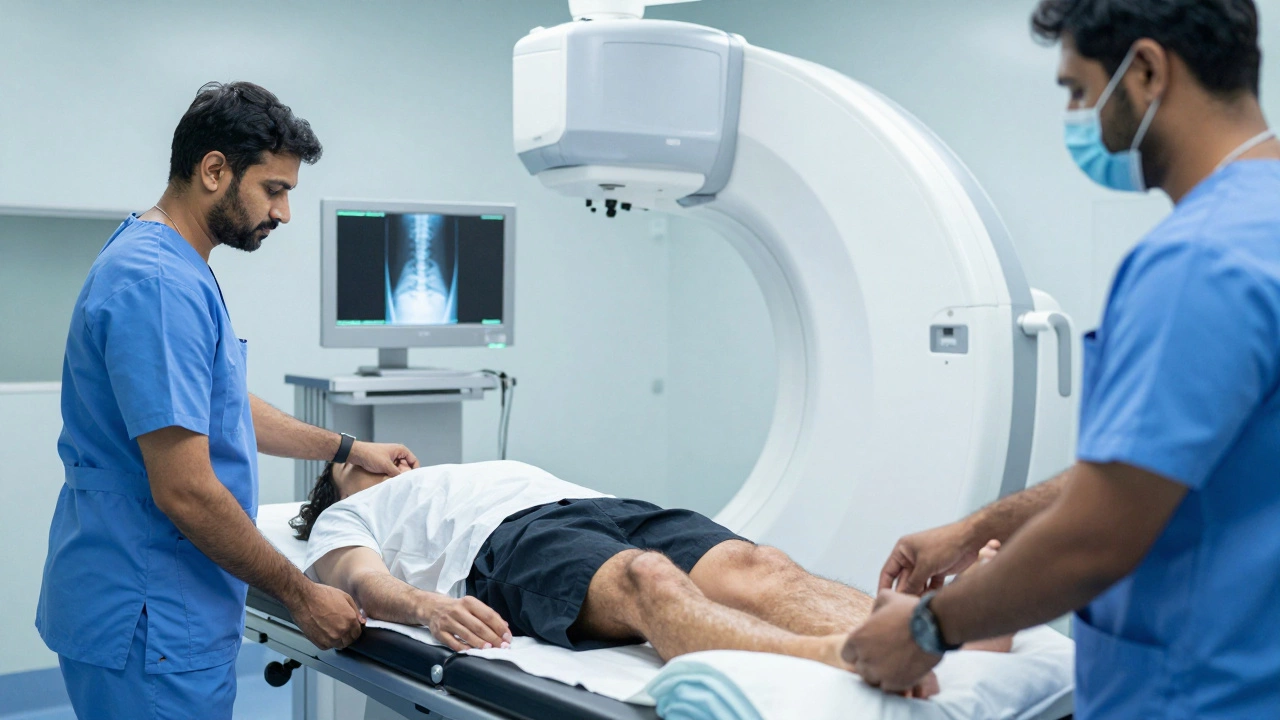
How Long Does Bone Surgery Take? A Realistic Timeline Guide
Discover realistic timelines for bone surgeries, from knee replacements to spinal fusions. Learn why prep time adds hours and what factors delay operations.

What Is the Hardest Orthopedic Surgery to Recover From? A Realistic Guide
Discover which orthopedic surgeries have the toughest recoveries, from spinal fusion to joint replacements. Learn realistic timelines, pain levels, and tips to prepare for a smoother healing process.
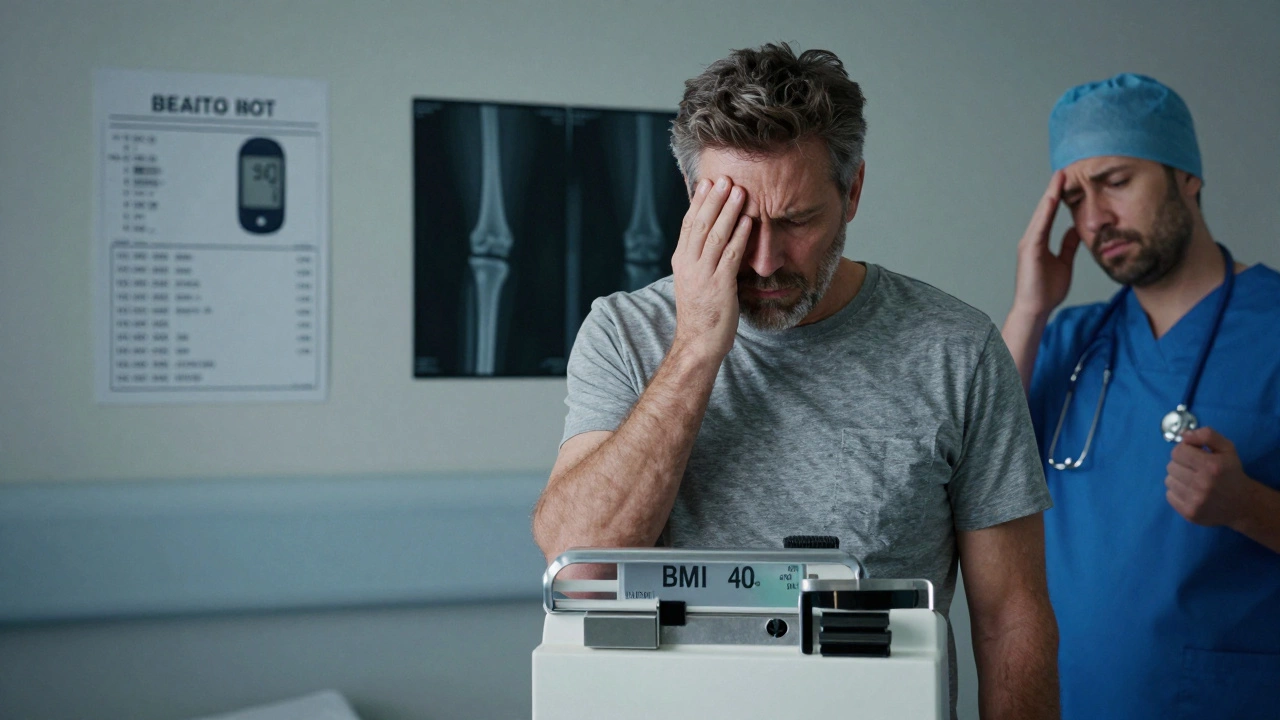
Who Is a Bad Candidate for Knee Replacement? Key Red Flags to Know
Not everyone is a good candidate for knee replacement. Obesity, uncontrolled diabetes, smoking, infections, and unrealistic expectations can lead to failure. Learn the key red flags that mean surgery might do more harm than good.
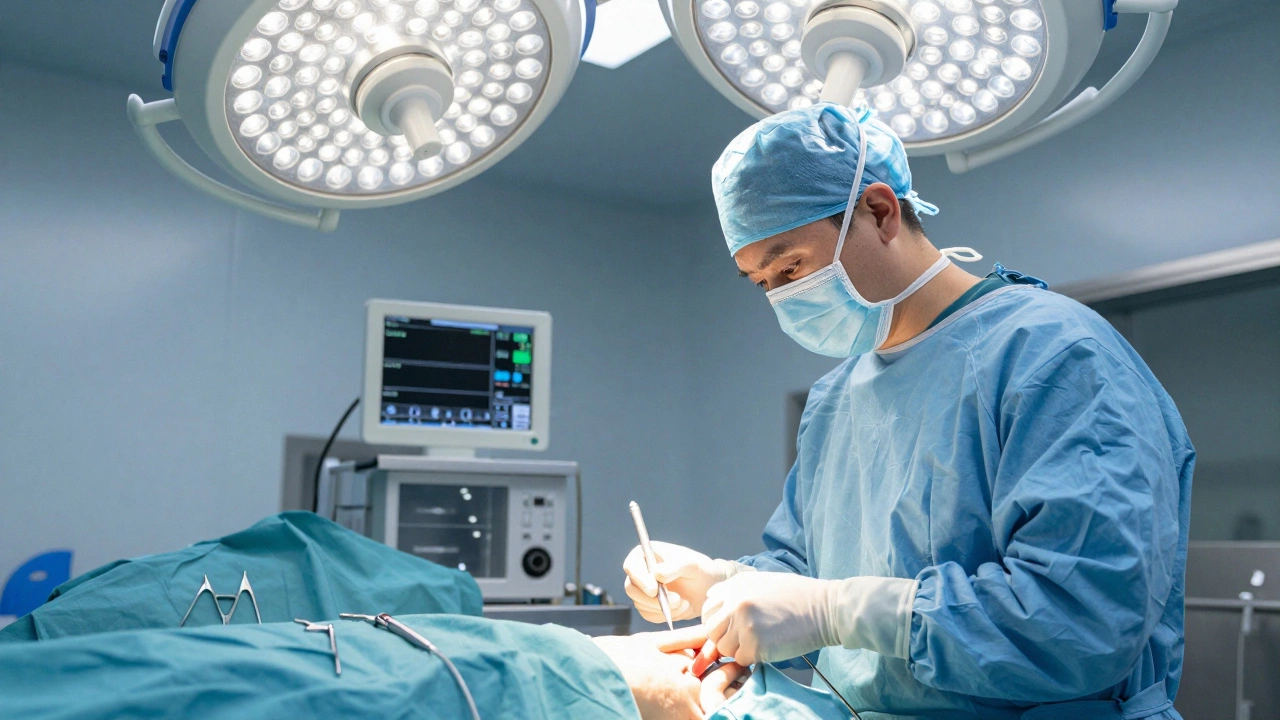
How Long Do Orthopedic Surgeries Take? Real-Time Estimates for Common Procedures
Orthopedic surgery times vary widely-from 15 minutes for carpal tunnel to over 4 hours for complex spine repairs. Learn real-world estimates for common procedures and what affects duration.

Is Bone Surgery Painful? Expectations, Recovery and Pain Management
Discover how painful bone surgery really is, what pain levels to expect, and the best ways to manage discomfort during recovery.
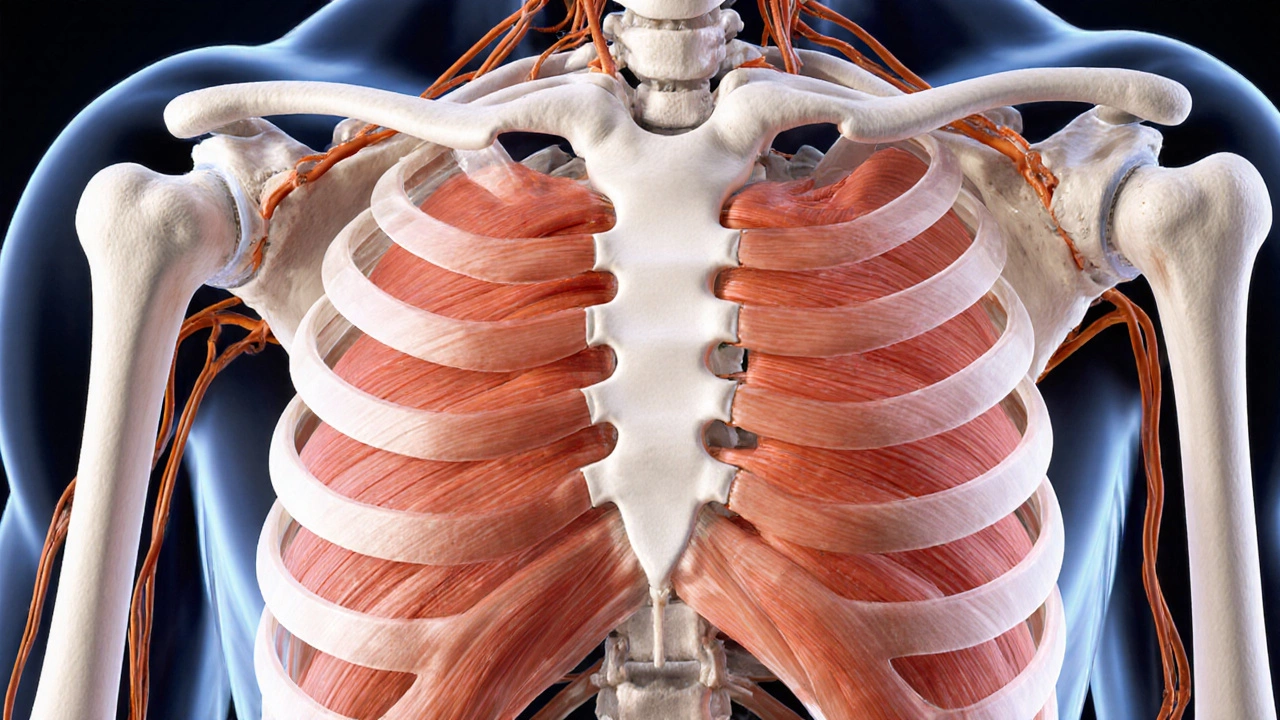
What Body Parts Does an Orthopedic Doctor Treat?
Learn exactly which body parts an orthopedic doctor treats, from bones and joints to muscles, ligaments, and the spine, plus diagnostics, common conditions, and treatment options.

How Long for 70-Year-Old Bones to Heal? Recovery Times and Honest Tips
Wondering how long it takes for a 70-year-old's bones to heal after a break or fracture? This article talks about real recovery times, what slows down healing, and how seniors can help their bones mend faster. Learn the warning signs, the role of nutrition, and what family members can do to support the process. Get straight answers—no fluff—so you know what to expect and how to move forward. Great for anyone who wants honest facts and simple tips.

Best Doctor for Bones: How Orthopedic Specialists Can Help You Heal
Confused about which doctor to see for bone issues? This article explains exactly what an orthopedic doctor does, how they differ from other specialists, and when you need to see one. Get practical tips for picking the right orthopedic specialist, interesting facts about bone care, and learn what to expect during your hospital visit. Find out how to spot the real experts so you can get back on your feet fast.

What to Tell Your Orthopedic Doctor: Essential Details for Your Visit
Knowing what to tell your orthopedic doctor can make your visit smoother and more helpful. This article breaks down exactly what information you should share, from describing your pain in everyday terms to mentioning any old injuries or lifestyle habits. With relatable advice, including practical checklists and simple tips, you'll walk into your appointment ready to get the best care. You'll also find out why little details—like how you sleep or what sports you play—matter more than you think. Don't risk a half-baked diagnosis because you skipped the small stuff.
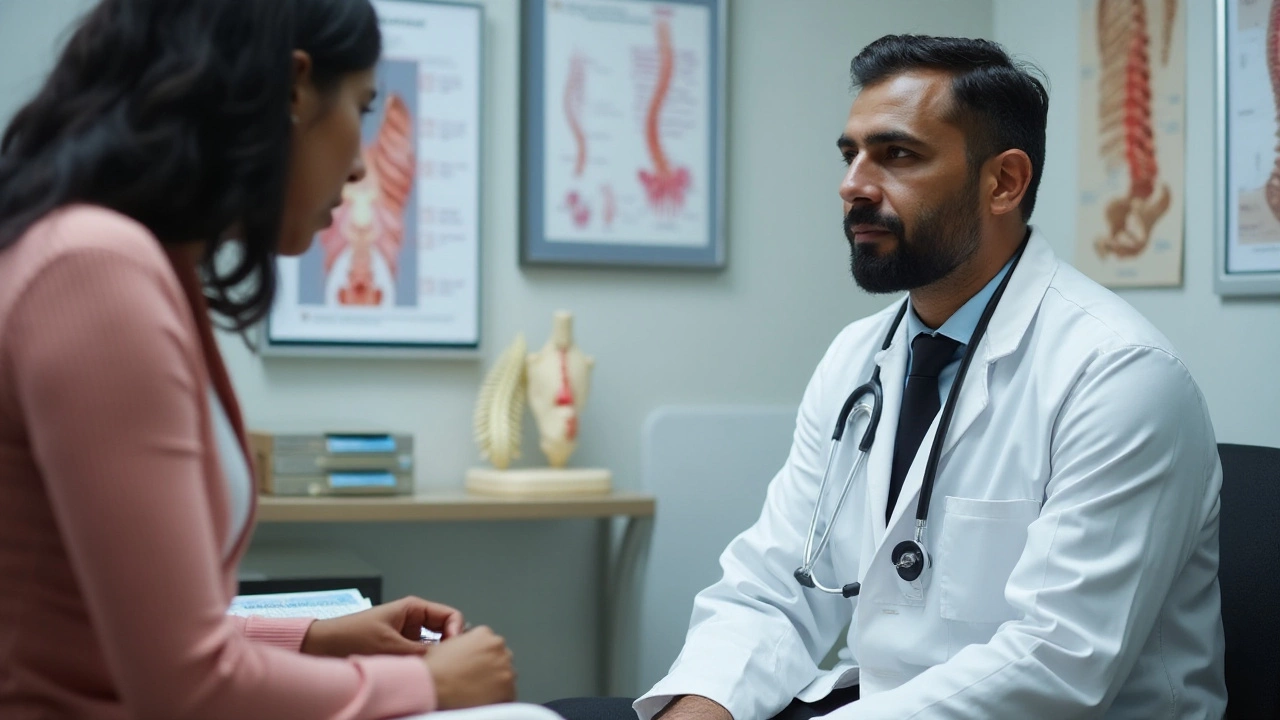
Can Orthopedic Doctors Treat Pinched Nerves Effectively?
This article delves into the role of orthopedic doctors in diagnosing and treating pinched nerves. It explains what a pinched nerve is, how orthopedists approach treatment, and when you should seek specialist care. With insights into possible therapies and real-world tips, it addresses concerns patients might have about recovery and effective management of this common ailment.
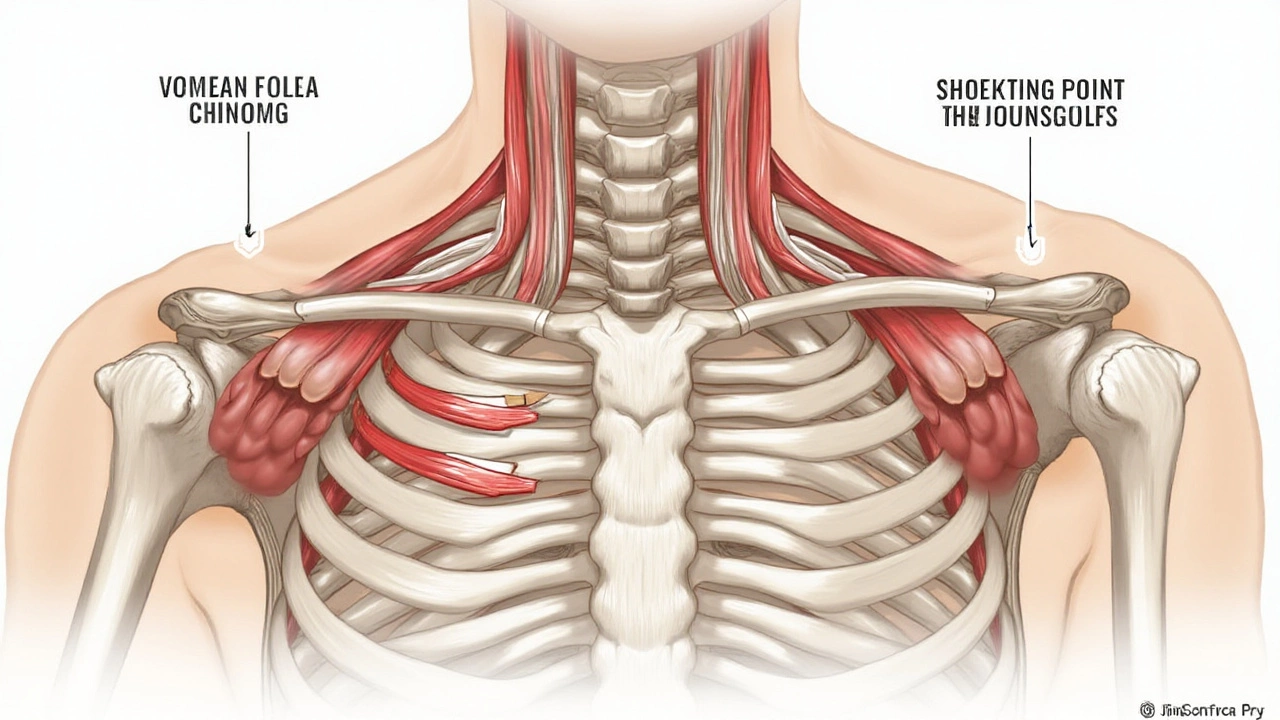
Understanding the Challenges of Healing the Clavicle Bone
Delving into the complexities of bone healing, this article explores why the clavicle, or collarbone, is notoriously difficult to mend. It discusses the anatomy involved, common causes of clavicle fractures, and treatment options available. We also address the factors that impede the healing process and offer practical insights for aiding recovery. Understanding these elements is crucial for anyone looking to comprehend bone injuries and their implications.