40 30 30 Rule: What It Is and How It Helps With Health and Recovery
When it comes to eating for energy, muscle retention, and long-term health, the 40 30 30 rule, a dietary balance of 40% carbohydrates, 30% protein, and 30% fat. It's not a diet—it's a framework for steady fueling that works whether you're recovering from surgery, managing diabetes, or just trying to stay strong after 50. You’ve probably heard of keto, intermittent fasting, or low-carb plans, but this one doesn’t ask you to cut out whole food groups. It just asks you to shift the mix.
This balance matters because your body needs different things at different stages. After 55, muscle loss speeds up, your metabolism slows, and healing takes longer. That’s where the protein, the building block for muscle, repair, and immune function part becomes critical. Thirty percent isn’t a suggestion—it’s a minimum. Without enough protein, even the best exercise won’t help you rebuild. And that’s why posts about weight loss after 50, open-heart surgery recovery, and metformin use all tie back to this: if your meals don’t have enough protein, your body can’t heal properly. The metabolic health, how efficiently your body turns food into energy also improves when carbs aren’t spiked with sugar and fats aren’t just processed oils. Real carbs—like sweet potatoes, oats, or legumes—give steady energy. Real fats—like olive oil, nuts, or avocado—support hormone balance. And real protein—like eggs, chicken, tofu, or fish—keeps your muscles from wasting away.
Think of it this way: if you’re eating a meal that’s mostly rice and sauce, you’re not following the 40 30 30 rule. But if you’re eating grilled chicken, quinoa, and roasted broccoli with a drizzle of olive oil? You are. That’s the kind of meal that shows up in posts about calorie intake for women over 55, diabetes management, and even liver health—because what you eat affects everything. It’s not magic. It’s math. And it works whether you’re recovering from knee surgery, managing diabetes with GLP-1 agonists, or just trying to avoid the mid-afternoon crash.
What you’ll find below are real stories from people who used this balance to get through major health changes. Some used it after heart surgery. Others used it to lose weight without starving. A few used it to feel more alert after menopause. None of them were on a strict diet. They just changed the proportions. And that’s the point.
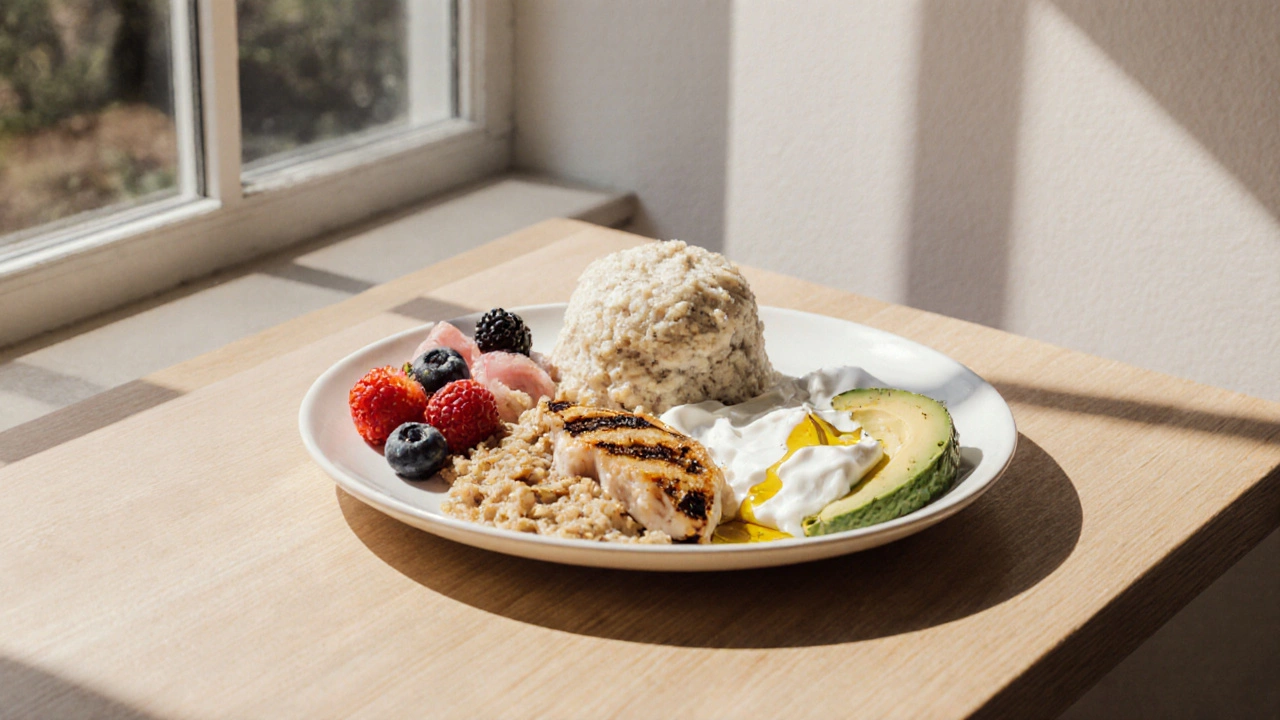
Understanding the 40‑30‑30 Rule for Weight Loss: A Complete Guide
Learn what the 40‑30‑30 rule is, how it supports weight loss, step‑by‑step setup, sample meals, common pitfalls, and whether it fits your goals.