Anxiety Signs: What They Look Like and How to Recognize Them Early
When your body feels wired but your mind is tired, that’s not just stress—it’s anxiety, a persistent state of worry or fear that doesn’t fade with time or logic. Also known as generalized anxiety, it’s not something you can just "snap out of." It shows up in your chest, your sleep, your focus, and even your digestion—long before you say the word "anxious."
Many people mistake anxiety signs for being "overly sensitive" or "just nervous." But real anxiety doesn’t go away after a big meeting or a bad day. It lingers. You might notice your heart races without cause, your muscles stay tight even when resting, or you can’t stop replaying conversations in your head. These aren’t quirks—they’re biological signals. stress response, the body’s automatic reaction to perceived danger is stuck on high. And when that happens, your brain starts treating everyday situations like threats. That’s why someone with anxiety might feel overwhelmed by emails, avoid social plans, or lose sleep over things that seem harmless to others.
Anxiety doesn’t just live in your head. It shows up physically: stomachaches with no clear cause, trembling hands, dizziness, or sudden sweating. Some people feel like they can’t breathe, even when they’re sitting still. Others shut down emotionally—becoming quiet, distant, or irritable without knowing why. These are all mental health warning signs, visible clues that your nervous system is under prolonged strain. And they’re not signs of weakness. They’re signs your body is trying to tell you something’s off.
What’s missing from most conversations about anxiety is how it connects to sleep, diet, and even gut health. Studies show that people with chronic anxiety often have disrupted circadian rhythms and lower levels of key neurotransmitters like serotonin. That’s why simple fixes—like better sleep hygiene or walking daily—can help, but rarely fix the root issue. The real work starts when you learn to spot the early signs before they turn into full-blown panic attacks or burnout.
Below, you’ll find real stories and science-backed insights from people who’ve walked this path. Some posts break down how anxiety mimics heart problems. Others show how Ayurvedic herbs like tulsi help calm the nervous system without sedatives. You’ll see how therapy tools like hand observation reveal hidden tension, and how lifestyle choices—like protein-first breakfasts or daily movement—can shift your body’s stress response over time. This isn’t about quick fixes. It’s about understanding what’s really happening inside you, and what you can do next.
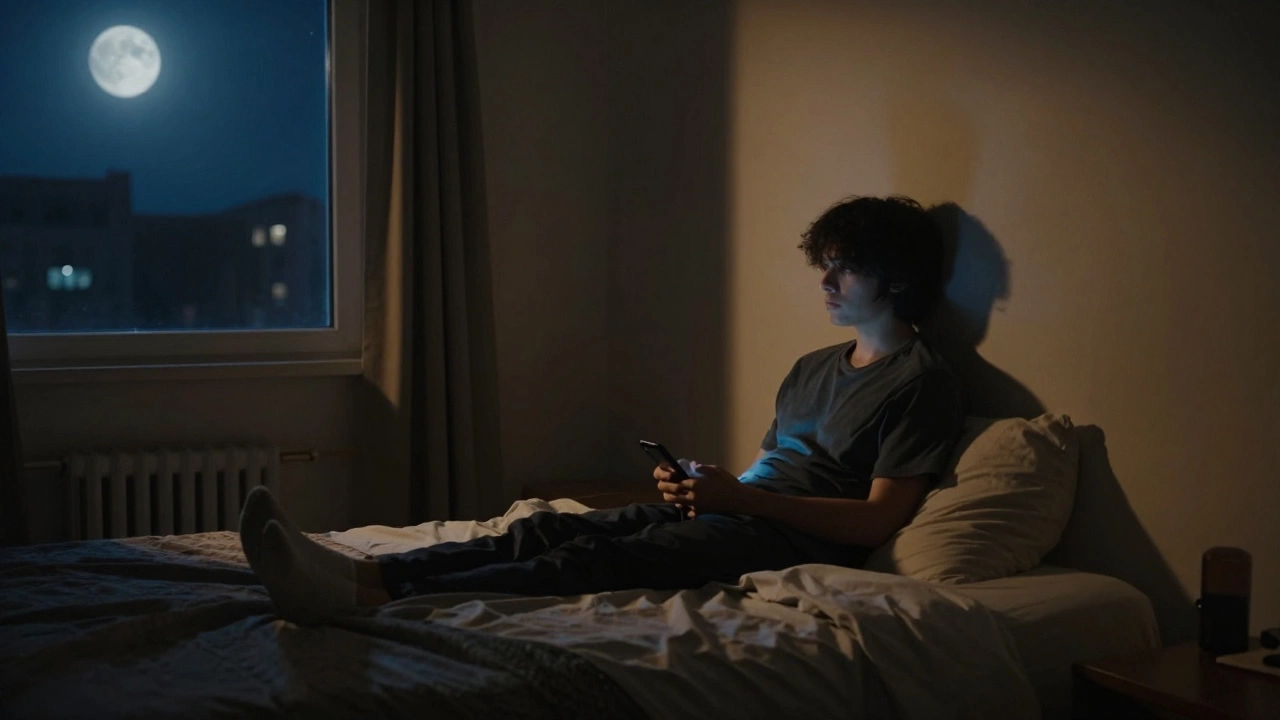
What Are the Tell-Tale Signs of Deteriorating Mental Health?
Recognizing the early signs of deteriorating mental health can save your life. From sleep changes to emotional numbness, these subtle symptoms are your mind's way of asking for help - before it's too late.