Body Language in Therapy: How Nonverbal Cues Shape Healing
When you walk into a therapy session, your body language in therapy, the way you hold your posture, make eye contact, or cross your arms without saying a word. Also known as nonverbal communication, it often tells the therapist more than what you say out loud. You might say you’re fine, but if your shoulders are hunched, your eyes dart away, or your fingers tap nonstop, your body is telling a different story. Therapists aren’t mind readers—but they’re trained to notice these patterns because they’re reliable indicators of what’s really going on inside.
Therapeutic rapport, the unspoken trust between client and therapist is built more through silence and movement than through advice. A therapist leaning slightly forward, matching your pace, or mirroring your breathing can make you feel seen—even before a single word is spoken. On the flip side, crossed arms, avoiding eye contact, or fidgeting excessively can signal defensiveness, anxiety, or disengagement. These aren’t just "bad habits"—they’re clues. In fact, studies show that up to 70% of emotional meaning in therapy comes from nonverbal cues, not speech. That’s why therapists pay attention to how you sit, how you breathe, even how you adjust your clothes. It’s not about judging you—it’s about understanding you.
Emotional cues, the subtle physical signals tied to feelings like shame, fear, or relief often surface in ways you don’t control. A sudden stillness after mentioning a painful memory. A deep exhale when a topic feels safe. A clenched jaw when you’re holding back tears. These moments are gold in therapy. They help therapists know when to press gently and when to pause. And sometimes, just naming what you see—"I noticed you stopped breathing when you talked about your dad"—can open a door no conversation could. This isn’t magic. It’s observation. It’s training. It’s human.
What you’ll find in the posts below isn’t a list of "what to do" with your body in therapy. It’s a collection of real stories and science-backed insights about how movement, stillness, and silence shape healing. You’ll read about how people with chronic pain learn to trust their bodies again, how trauma survivors reconnect with their physical selves, and why some therapists spend more time watching than talking. These aren’t theories—they’re lived experiences. And they show that sometimes, the most powerful words in therapy are the ones you never say out loud.
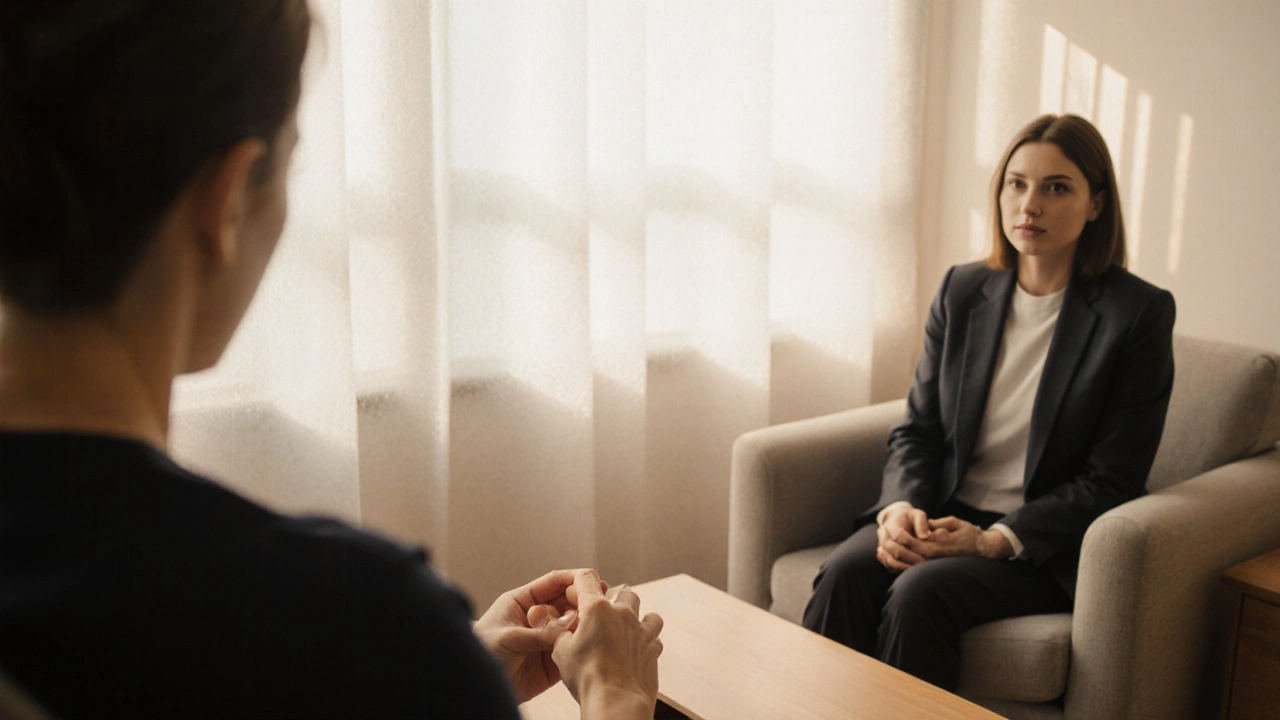
Therapist Watching Your Hands: What It Means in Therapy
Discover why therapists focus on your hands, how hand cues reveal emotions, and practical tips to use this insight for better therapy outcomes.