Bone Healing Process: How Your Body Repairs Fractures and What Helps It Work Faster
When a bone breaks, your body doesn’t just patch it up—it rebuilds it from the inside out. This is the bone healing process, the natural biological sequence where broken bone tissue is repaired through inflammation, callus formation, and remodeling. Also known as fracture repair, it’s not magic—it’s biology, and it follows a strict timeline that can’t be rushed by supplements alone. The process starts within hours of the injury, when your body sends in inflammatory cells to clean up debris and signal the next phase. Then comes the soft callus, made of cartilage, which bridges the gap. After weeks, that soft tissue hardens into a bony callus, and finally, over months, your bone reshapes itself to its original strength and structure.
There’s no single trick to speed this up, but some things clearly help. Bone regeneration, the body’s ability to grow new bone tissue depends heavily on nutrition—especially protein, calcium, vitamin D, and magnesium. If you’re not getting enough, healing slows. Bone healing time, how long it takes for a fracture to fully recover varies by age, health, and where the break happened. A simple wrist fracture in a healthy 30-year-old might heal in 6 weeks. A hip fracture in a 75-year-old with diabetes could take 4 months or more. Smoking cuts blood flow to bones, which delays healing. Too much alcohol? Same problem. And staying still too long? That weakens the bone you’re trying to fix.
What really works? Movement, when it’s safe. Physical therapy doesn’t just help you walk again—it tells your bone what kind of stress it needs to rebuild stronger. Weight-bearing exercises, even gentle ones like walking, trigger bone cells to lay down new tissue. Sleep matters too. That’s when your body releases growth hormone and repairs tissues. And while herbal remedies like turmeric or comfrey get talked about, the science on them is thin. What’s proven? Proper nutrition, avoiding toxins, and following your doctor’s rehab plan. No pill, potion, or patch replaces that.
You’ll find posts here that dig into the real details: how long recovery actually takes after different injuries, what blood tests show about bone health, how older adults heal differently, and why some surgeries make healing harder. These aren’t guesses. They’re based on what happens in real bodies, with real injuries, under real conditions. Whether you’re recovering from a fall, a sports injury, or surgery, the science is the same. Your bone knows what to do. You just have to give it the right conditions to do it.
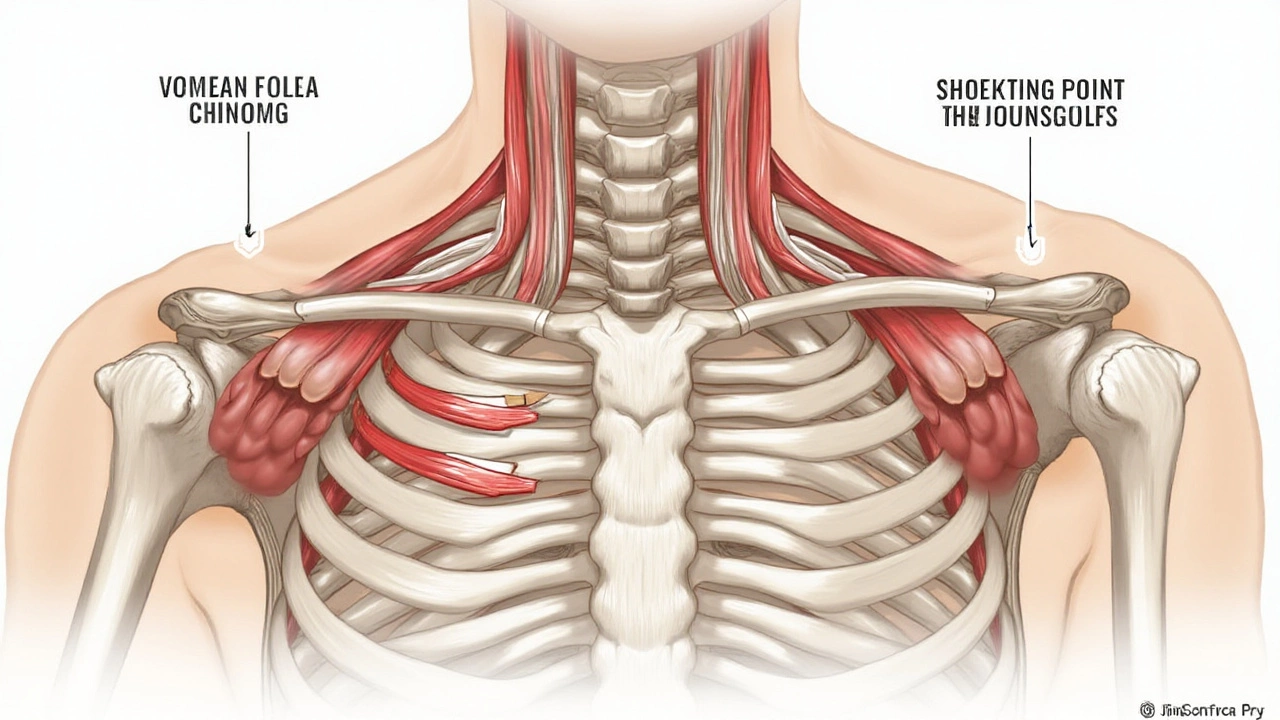
Understanding the Challenges of Healing the Clavicle Bone
Delving into the complexities of bone healing, this article explores why the clavicle, or collarbone, is notoriously difficult to mend. It discusses the anatomy involved, common causes of clavicle fractures, and treatment options available. We also address the factors that impede the healing process and offer practical insights for aiding recovery. Understanding these elements is crucial for anyone looking to comprehend bone injuries and their implications.