Cancer Not Curable: What Really Matters When Treatment Isn't a Cure
When someone hears cancer not curable, a diagnosis where medical science can no longer eliminate the disease. Also known as advanced or terminal cancer, it means the focus shifts from removing the illness to managing it and keeping life meaningful. This isn’t defeat—it’s a pivot. Many people live for years with cancer that can’t be cured, thanks to treatments that slow growth, ease pain, and protect quality of life. The idea that cancer equals death is outdated, misleading, and hurts more than it helps.
What matters most isn’t whether the cancer disappears, but how you live with it. palliative care, specialized medical support focused on comfort and dignity, not cure is often overlooked, yet it’s one of the most powerful tools available. Studies show people who start palliative care early live longer, feel better, and spend less time in hospitals. It’s not hospice. It’s not giving up. It’s adding expert support to your treatment plan—whether you’re on chemo, immunotherapy, or nothing at all. Pain control, nausea relief, emotional counseling, and help navigating finances are all part of it.
And then there’s cancer support, the network of people, programs, and resources that help patients and families cope. This includes everything from free rides to chemo appointments to peer groups where people share real stories—not textbook advice. Many of the posts in this collection cover exactly this: how to find financial aid, how to talk to doctors when hope feels thin, how to handle the emotional toll, and how to keep your body moving even when energy is low. You’ll find advice on managing symptoms, accessing community help, and understanding what treatments can still help—even if they won’t cure.
Some people chase miracle cures. Others find peace in small wins: a good night’s sleep, a walk with a friend, a meal that tastes like home. The truth is, cancer not curable doesn’t mean life is over. It means you redefine what matters. You focus on what gives you strength, not just what kills the cells. The posts here don’t promise miracles. They offer real tools, real stories, and real options—because living well with cancer is possible, even when curing it isn’t.
What you’ll find below aren’t theories or guesses. These are real guides written by people who’ve been there—on the treatment side, the caregiver side, the quiet side where no one talks about how hard it is to keep going. You’ll learn how to ask for help without feeling guilty, how to know when to stop aggressive treatment, and how to find support that actually fits your life—not some idealized version of what cancer care should look like. There’s no single right way to face this. But you don’t have to figure it out alone.
Cancer Not Curable: When Is It Too Late?
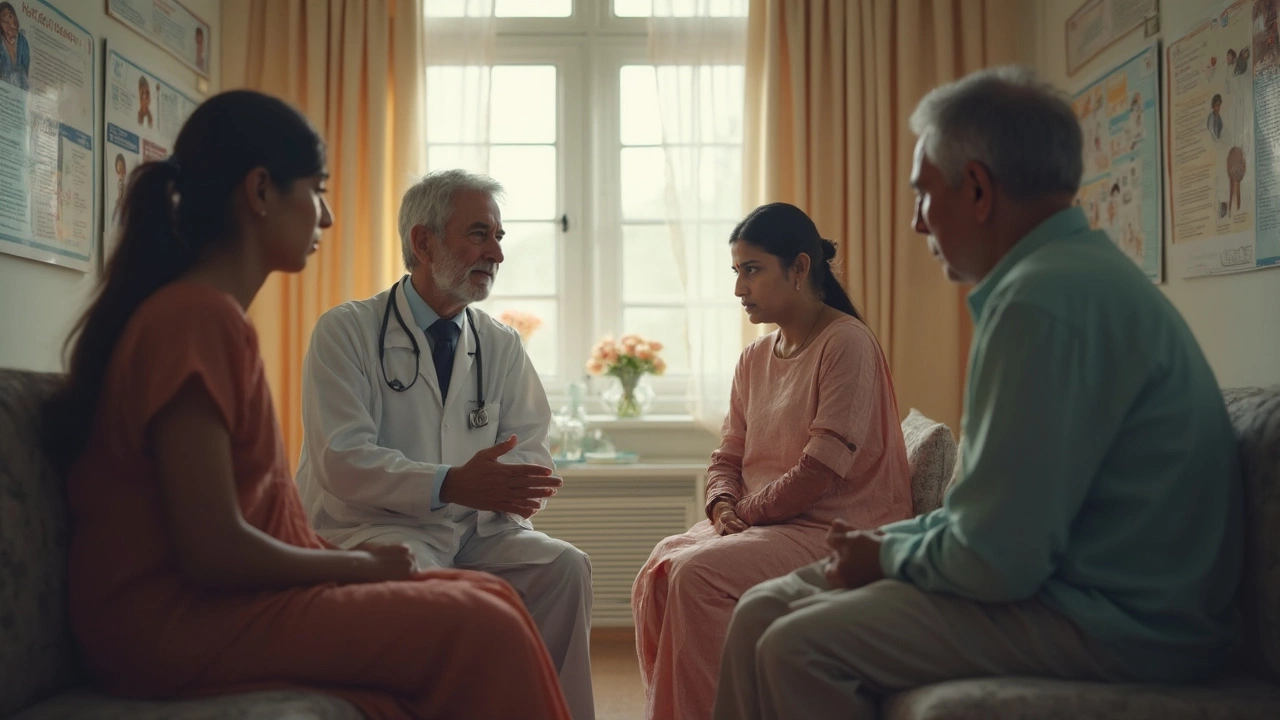
This article digs into the crucial moment when cancer becomes incurable. It explains the differences between treatable, manageable, and terminal cancer, and highlights what 'curable' means in the context of oncology. With real-life scenarios and straightforward facts, the piece guides you through late-stage symptoms, treatment choices, and quality of life questions. You'll also find honest advice for families facing tough decisions. By the end, you'll understand what doctors really mean when they say a cancer is no longer curable.