Cardiac Health: What Really Keeps Your Heart Strong and How to Protect It
When we talk about cardiac health, the overall condition and function of the heart and blood vessels. Also known as heart health, it's not just about avoiding a heart attack—it's about how well your heart works every single day. Many people think cardiac health means taking a pill or getting surgery when things go wrong. But the real story starts long before that—with daily choices, aging, and how your body handles stress, movement, and food.
Open-heart surgery, a major procedure to repair or replace heart valves, clear blocked arteries, or fix congenital defects. Also known as cardiac surgery, it's no longer something only younger people get. Doctors now perform it on people in their 80s and 90s—if they're otherwise healthy. Recovery isn't just about healing the chest; it's about rebuilding strength, managing medications, and adjusting to a new normal. And then there's heart transplant recovery, the longest and most complex healing process after any major surgery. It's not just physical—it changes how you see your body, your future, and what "normal" even means. These aren't rare events. They're part of modern cardiac care.
Cardiac health also ties into things you might not expect—like your metabolism after 55, your weight, and even what you drink. Slowing metabolism doesn't just make you gain weight—it strains your heart. And while no drink "flushes" your liver, some like green tea and coffee actually help your heart by reducing inflammation. The same goes for diabetes meds: drugs like semaglutide and metformin aren't just for blood sugar—they protect your heart too. That’s why the best cardiac health strategies don’t live in a hospital. They live in your kitchen, your walking shoes, and your sleep schedule.
You’ll find real stories here—not theory. How much does open-heart surgery cost? Can you still get it at 90? What’s the hardest part of recovery? Which medications actually help your heart and which just make your wallet lighter? We’ve pulled together posts that answer these questions with data, not marketing. No fluff. No hype. Just what works—and what doesn’t—for real people managing their heart health today.
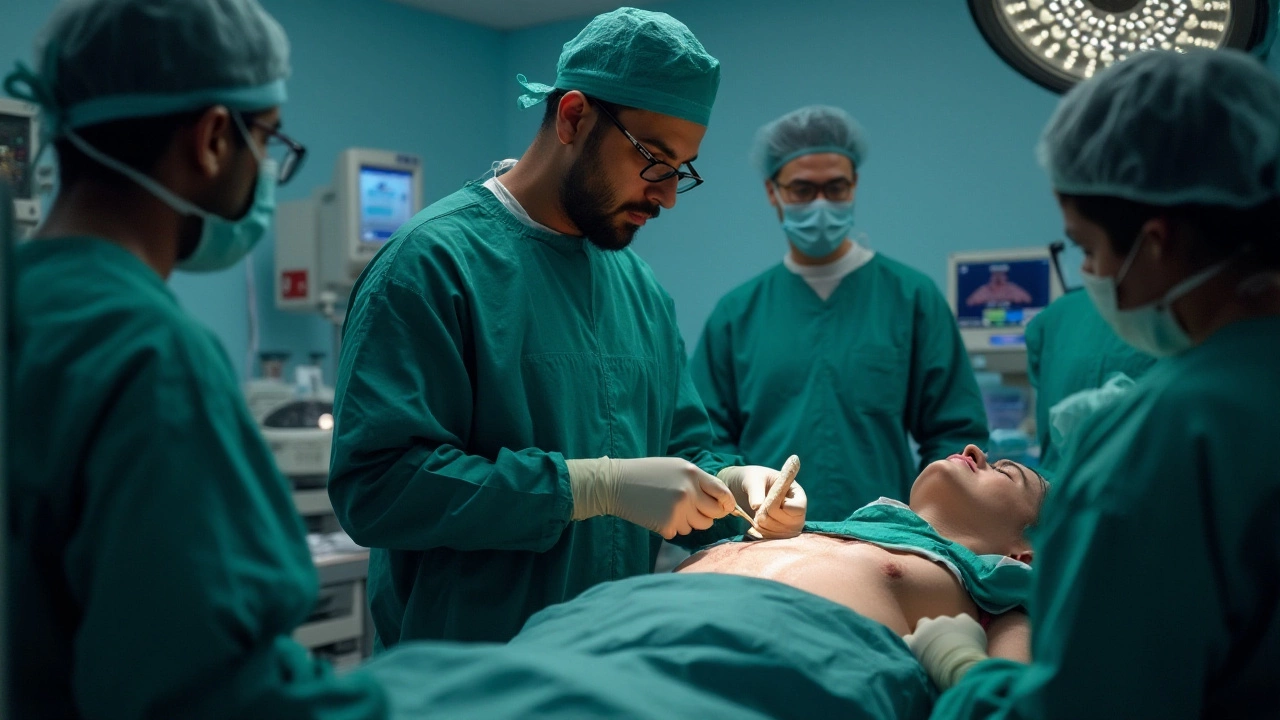
Understanding the Seriousness of Open-Heart Surgery
Open-heart surgery is a critical and intricate procedure often required to address severe cardiac conditions. This surgery involves the surgeon opening the chest to operate on the heart, making it a highly complex intervention. The risks and challenges vary, but it remains an indispensable treatment for issues like blocked arteries or heart valves. Knowing the nuances of this surgery and the recovery process can better prepare individuals facing such life-altering decisions.