Cardiac Rehabilitation: What It Is, Who Needs It, and How It Works
When your heart gets damaged—whether from a heart attack, bypass surgery, or stent placement—cardiac rehabilitation, a structured program of exercise, education, and support to help you recover and prevent future heart problems. Also known as cardiac rehab, it’s not just about getting stronger—it’s about learning how to live differently so your heart doesn’t fail again. This isn’t a luxury or a suggestion. It’s one of the most effective tools doctors have to help you survive and thrive after heart trouble.
Cardiac rehabilitation isn’t just for older adults. People in their 40s and 50s recovering from heart attacks benefit just as much as those in their 70s or 80s. The program typically includes monitored exercise, nutrition coaching, stress management, and counseling. It’s designed to fit your life—not the other way around. You don’t need to be an athlete. You just need to be willing to move, learn, and show up. Many patients who stick with it report feeling more energy, less anxiety, and better control over their condition—sometimes even reversing some of the damage.
It’s not magic, but it works because it’s practical. You learn how to walk without getting winded, how to read food labels without panic, how to recognize warning signs before they become emergencies. The heart surgery recovery, the process of regaining strength and function after open-heart or minimally invasive cardiac procedures isn’t over when you leave the hospital. That’s when cardiac rehab begins. And for those who’ve had a heart transplant, a major surgery requiring lifelong medication and careful monitoring to prevent rejection, rehab isn’t optional—it’s survival. The same principles apply: movement, education, and support. You’re not alone. Programs are built around real people with real lives, not textbook cases.
What you’ll find in the posts below aren’t abstract theories. They’re real stories from people who’ve walked this path. You’ll read about how long recovery actually takes after major heart surgery, what blood tests matter most during rehab, and why some people bounce back faster than others—not because of luck, but because of what they did differently. You’ll see how nutrition, sleep, and even how you sit on the toilet after surgery can make a difference. There’s no single magic pill, but there are clear, science-backed steps that work. And they’re all covered here.
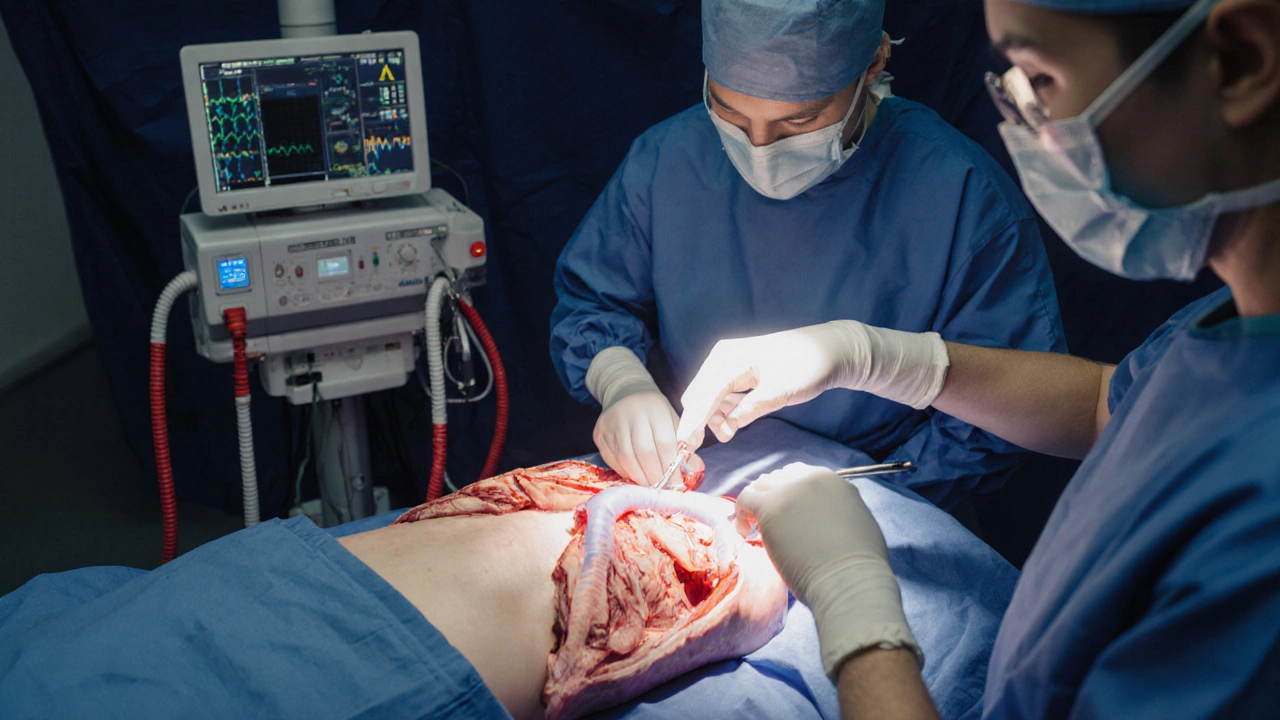
Will I Be the Same After Open‑Heart Surgery? Recovery Facts & Tips
Learn what changes to expect after open‑heart surgery, the recovery timeline, emotional impact, and practical tips for getting back to a normal life.