Challenging Cancers: What Works, What Doesn’t, and How to Navigate Treatment
When we talk about challenging cancers, cancers that are hard to detect early, resist standard treatments, or return after remission. Also known as aggressive cancers, these types demand more than just drugs—they require smart timing, strong support, and personalized care. Not all cancers behave the same. Some grow slowly and respond well to surgery or radiation. Others, like pancreatic, glioblastoma, or certain types of lung and ovarian cancer, hide in plain sight, spread fast, and fight back against even the strongest therapies. That’s why knowing what you’re up against matters more than ever.
What makes a cancer challenging? It’s not just the tumor location. It’s how it interacts with your body’s defenses, how quickly it mutates, and whether it’s caught before it spreads. Oncology support, the network of medical, emotional, and practical help for cancer patients. Also known as cancer care teams, it includes everything from nurses who track side effects to social workers who help with bills and transportation. Many people think treatment ends with chemo or surgery. But for those facing tough cancers, recovery is a long road that includes managing fatigue, anxiety, and the fear of recurrence. That’s why cancer patient needs, the full range of physical, emotional, and financial demands faced by someone battling cancer. Also known as holistic cancer care, it’s not optional—it’s essential for survival and quality of life. Studies show patients who get consistent emotional support and practical help live longer and feel better during treatment.
There’s no magic bullet. Some treatments work wonders for one person and do nothing for another. That’s why personalized medicine is becoming the standard. Genetic testing, targeted therapies, and immunotherapies are changing the game—but they’re not available everywhere, and they’re not cheap. That’s where real-world experience matters. The posts below aren’t about hype. They’re about what people actually face: the cost of drugs, the struggle to get insurance approval, the quiet exhaustion after months of treatment, and the small wins that keep people going. You’ll find stories about navigating treatment options, understanding side effects, and finding support when the system feels overwhelming. Whether you’re a patient, a caregiver, or just trying to understand, this collection gives you the unfiltered truth about what it’s really like to live with a challenging cancer.
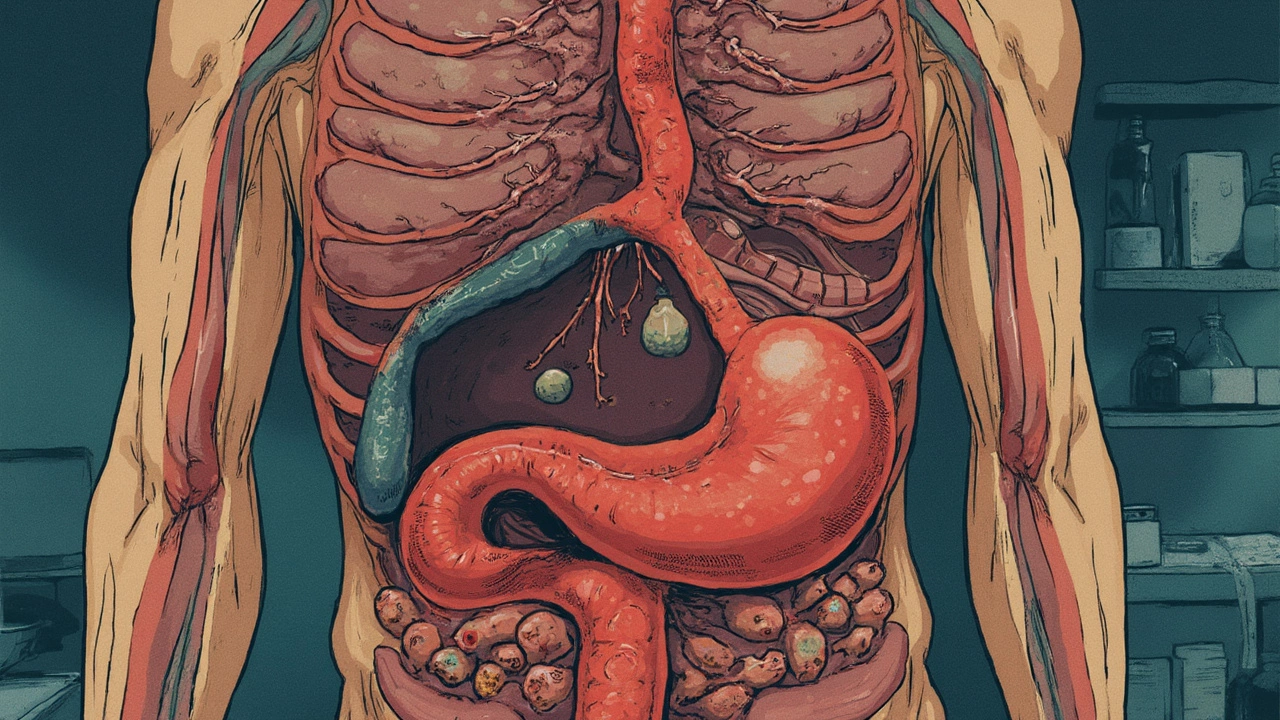
The Toughest Cancer to Tackle: An Insight into Challenging Treatments
Pancreatic cancer is notoriously difficult to treat because of its late detection and aggressive nature. This article explores why it's often deemed the hardest cancer to cure, shedding light on the challenges of treatment and the latest advances in medical science. Learn about the symptoms to watch for, treatment options available, and the importance of early detection. Discover real-life stories and tips from survivors that could offer a ray of hope. Stay informed about ongoing research and trials that aim to tackle this formidable disease.