Chemotherapy: What It Is, How It Works, and What You Really Need to Know
When you hear the word chemotherapy, a medical treatment that uses powerful drugs to destroy cancer cells. Also known as chemo, it’s one of the most common tools doctors use to fight cancer. It’s not magic. It’s science. And it’s not the same for everyone. Chemotherapy works by targeting cells that divide quickly — a trait shared by cancer cells, but also by some healthy ones like those in your hair follicles, gut lining, and bone marrow. That’s why side effects like hair loss, nausea, and fatigue happen. It’s not the treatment failing — it’s the trade-off.
Chemotherapy doesn’t exist in a vacuum. It’s often part of a bigger plan that includes radiation therapy, a treatment that uses high-energy beams to target tumors, surgery, the physical removal of tumors, or newer approaches like immunotherapy. The type, dose, and timing of chemo depend on the cancer’s stage, location, and how your body responds. Some people get it weekly for months. Others get a few rounds and stop. There’s no one-size-fits-all. And while it’s tough, many people complete treatment and go on to live full lives — sometimes even without needing more chemo after.
What you won’t always hear is how chemotherapy connects to daily life. The same people who ask about chemo are also asking about managing pain, affording treatment, or how to eat when your stomach won’t hold food. That’s why the posts here don’t just talk about drugs — they talk about what happens after the IV is removed. You’ll find real stories about navigating insurance for cancer meds, dealing with fatigue after chemo, and how some patients use Ayurvedic support alongside conventional care — not as replacements, but as ways to cope with side effects and rebuild strength. You’ll see how cancer care isn’t just about killing cells — it’s about keeping people alive, comfortable, and in control.
There’s no sugarcoating it: chemotherapy is hard. But it’s also one of the most studied, refined, and effective tools we have against cancer. The goal isn’t just survival — it’s quality of life during and after treatment. The posts below give you the facts, the questions to ask, and the real experiences from people who’ve walked this path. Whether you’re a patient, a caregiver, or just trying to understand, you’ll find what you need here — no jargon, no fluff, just what matters.
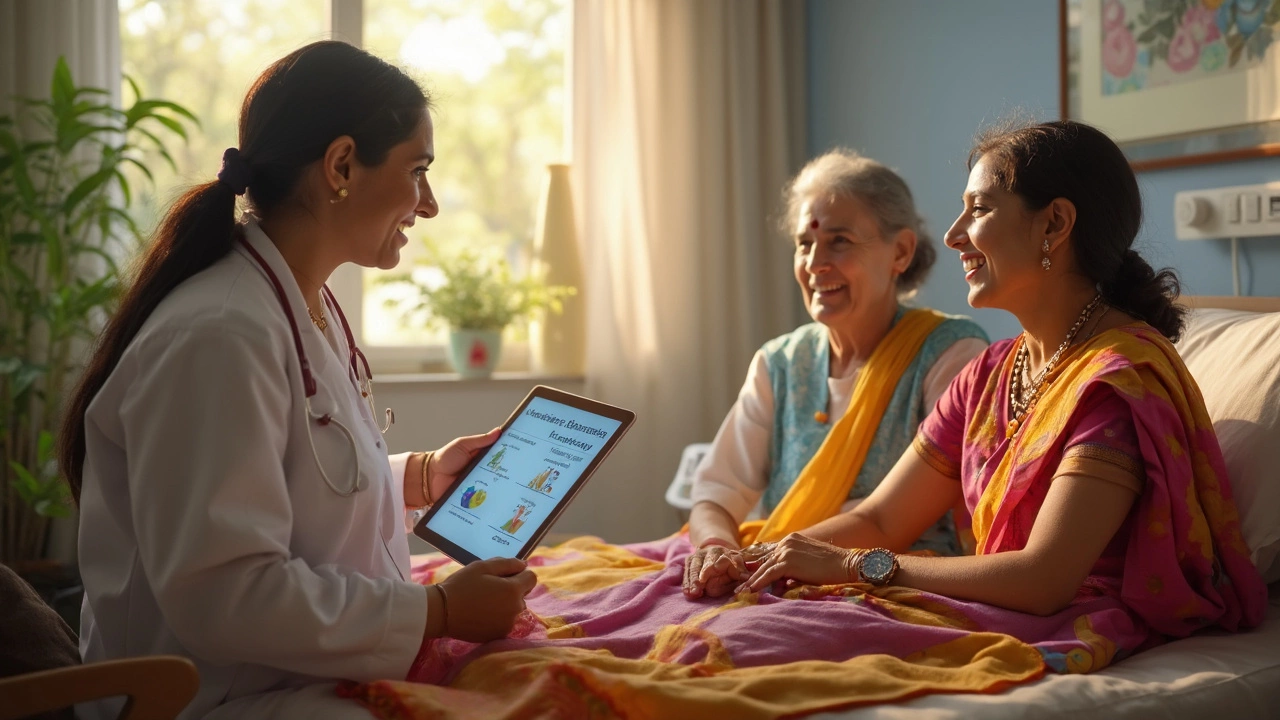
Cancer Treatment: What's the Main Way Doctors Fight Cancer?
Wondering how cancer is treated these days? This article covers the main options doctors use to fight cancer, including how they work and what you can expect. Learn about chemotherapy, surgery, radiation, and newer treatments like immunotherapy. Get practical tips on questions to ask and what side effects might pop up. If you or someone you know is facing cancer, this article breaks it all down in simple terms.
What Kills Cancer Cells in the Body? Straight Talk on the Science
Curious about what actually kills cancer cells in your body? This article breaks down how the immune system, modern treatments like chemotherapy and targeted therapy, and even lifestyle tweaks play a role in fighting cancer. You'll get facts, myths busted, and practical tips—minus the confusing medical jargon. Whether you're a patient, caregiver, or just interested, the plain answers are here. Get the know-how on how science is fighting cancer every single day.