Dangerous Surgeries: Risks, Recovery, and What You Need to Know
When we talk about dangerous surgeries, medical procedures with high rates of complications, long recovery times, or life-altering outcomes. Also known as high-risk operations, these aren't just scary because of the scalpel—they're dangerous because of what happens after. It’s not about how flashy the surgery is. It’s about how your body responds afterward. A heart transplant, for example, isn’t the most complex cut, but it’s the hardest to survive long-term because your immune system never stops fighting the new organ. That’s why recovery isn’t just about healing—it’s about lifelong management.
Open-heart surgery is another one that gets labeled dangerous, but the real risk isn’t the chest opening—it’s the months of fatigue, the emotional toll, and the chance of infection or blood clots. Doctors don’t say no to older patients because of age. They say no if the body can’t handle the stress. There’s no magic cutoff age. A 90-year-old with strong lungs, no diabetes, and good mobility can recover better than a 60-year-old with three chronic conditions. The same goes for heart transplant recovery, the longest and most demanding healing process among major surgeries. Also known as post-transplant care, it requires daily pills, frequent blood tests, and constant vigilance. You’re not just healing tissue—you’re rebuilding your relationship with your own body.
Then there are the surgeries that don’t make headlines but still carry hidden dangers. Knee replacements seem routine, but if you can’t sit on a toilet safely afterward, you’re at risk for falls. Weight loss drugs like Wegovy get all the attention, but they’re not surgeries—yet people still confuse them with procedures that actually cut into the body. The real danger isn’t always the operation. It’s the lack of preparation, the unrealistic expectations, and the belief that recovery means going back to normal. It doesn’t. It means learning a new normal.
What ties these together? The same factors: age, pre-existing health, access to support, and how well you follow rehab rules. A study from Johns Hopkins found that patients who walked within 24 hours after open-heart surgery had 40% fewer complications. That’s not magic. That’s movement. Another study showed that people who ate enough protein after major surgery healed faster and kept more muscle. Simple stuff. But most people don’t know it until it’s too late.
Below, you’ll find real stories and facts about the most challenging procedures—from the longest healing times to the ones that change your life forever. No fluff. No fearmongering. Just what you need to know before you, or someone you love, walks into an operating room.
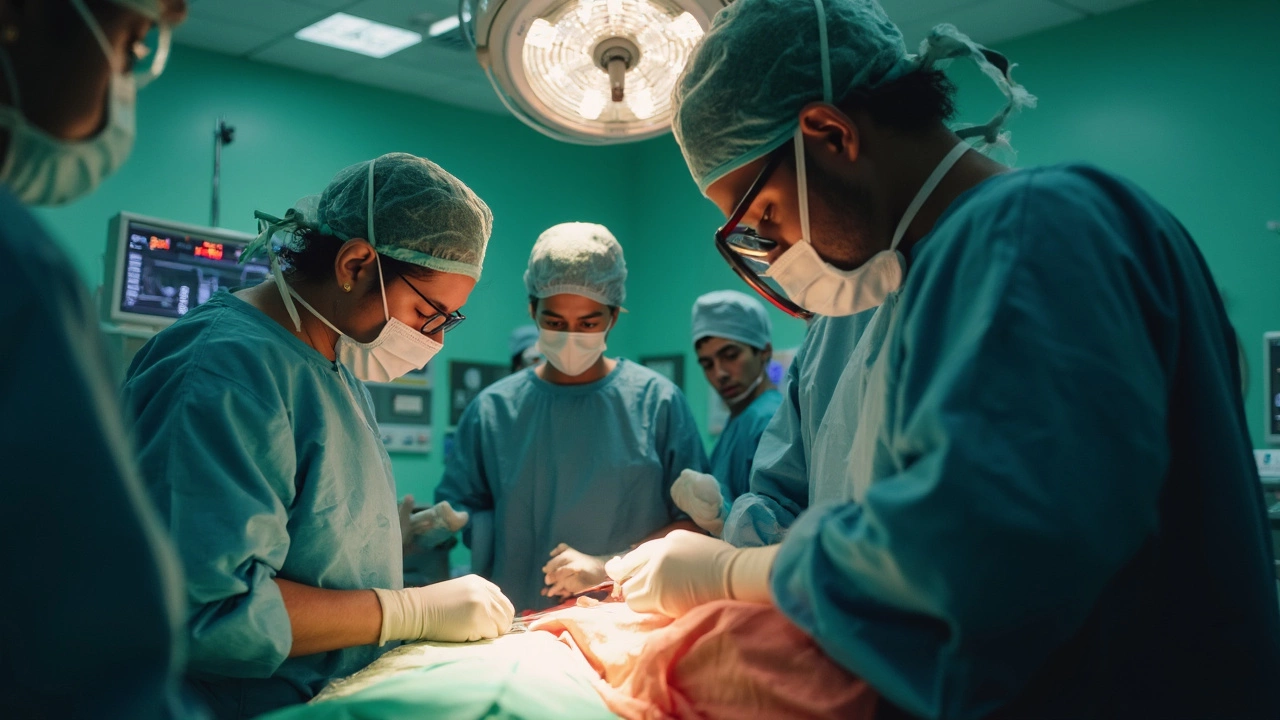
Riskiest Surgery Ever: Understanding Deadliest Medical Procedures
Learn which surgeries top the list for risk, why they're so dangerous, and how doctors and patients manage extreme danger in medicine.