Diabetes Drugs: What Works, What Doesn’t, and What You Need to Know
When you hear diabetes drugs, medications used to control blood sugar in people with type 2 diabetes. Also known as antihyperglycemic agents, they range from old-school pills to newer injections that also help with weight loss. It’s not just about lowering numbers—it’s about how these drugs fit into your life, your body, and your long-term health.
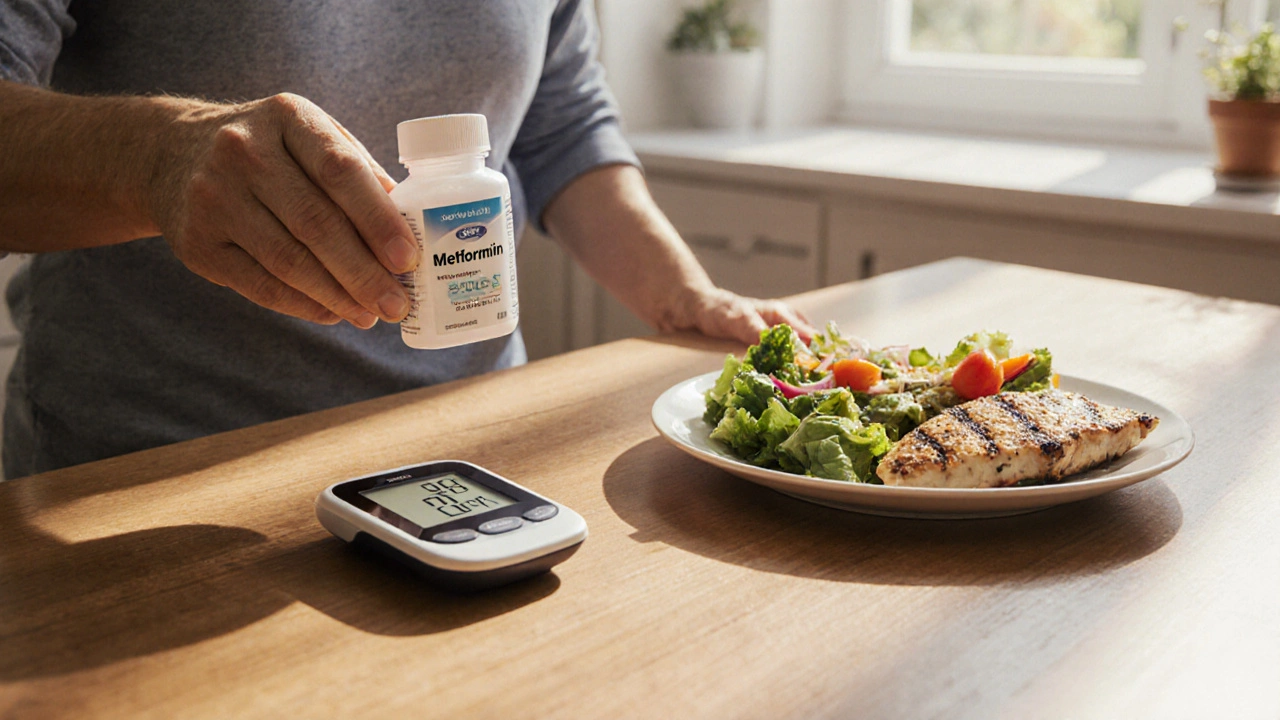
Take metformin, the first-line medication for type 2 diabetes that improves insulin sensitivity and reduces liver glucose production. It’s been used for decades, is cheap, and has a solid safety record. Many people start here because it doesn’t cause weight gain or low blood sugar. But it doesn’t always do enough. That’s where newer options like semaglutide, a GLP-1 receptor agonist that slows digestion, reduces appetite, and helps the pancreas release insulin. It’s the same class as Wegovy and Ozempic—two brand names that have become household words in weight loss circles. These aren’t magic bullets. They work best when paired with real changes in eating and movement. And yes, they’re expensive without insurance.
What’s surprising? Not all diabetes drugs help with weight. Some actually make you gain it. Others, like semaglutide, can help you lose 10, 15, even 20 pounds—without starving yourself. But they’re not for everyone. If you’ve got kidney issues, a history of pancreatitis, or thyroid cancer in your family, your doctor will need to check carefully before prescribing them.
And here’s something most people don’t realize: diabetes drugs aren’t just for people with diabetes anymore. Doctors are prescribing them off-label for prediabetes, PCOS, and even obesity without diabetes. That’s why you’re seeing them everywhere—from Walmart’s $90 generic semaglutide to high-end clinics pushing Wegovy at $1,500 a month.
The real question isn’t which drug is strongest. It’s which one fits your body, your budget, and your daily routine. Some people do great on a simple pill. Others need the appetite control of an injection. And some need to combine both with lifestyle shifts to see real results.
Below, you’ll find real stories and facts about how these drugs actually work in practice. From cost comparisons and insurance battles to what happens when you stop taking them—and whether herbal options can help. No fluff. Just what you need to decide what’s right for you.
Best Medicine for Diabetes: What Works and What Doesn’t in 2025
There's no single best medicine for diabetes. The right choice depends on your health, weight, and budget. Learn which drugs actually protect your heart and kidneys-and which ones to avoid.