Elderly Heart Surgery: What to Expect, Recovery Tips, and Real Outcomes
When someone over 70 needs elderly heart surgery, a cardiac procedure performed on older adults to fix blocked arteries, faulty valves, or weakened heart muscle. Also known as open heart surgery for seniors, it’s not just a medical event—it’s a life shift that changes how the body moves, heals, and rests. Unlike younger patients, older adults don’t just recover slower—they recover differently. Muscle loss, slower circulation, and medications for other conditions like diabetes or high blood pressure all play a role. This isn’t a one-size-fits-all process.
Many families assume heart surgery means a quick return to normal life. But recovery for seniors often involves cardiac rehabilitation, a structured program of monitored exercise, education, and emotional support after major heart surgery, not just rest. Studies show seniors who stick with rehab are 40% more likely to walk independently within three months. And it’s not just physical. The mental toll—fear of falling, loss of control, even depression—is real. That’s why support systems matter as much as stitches.
Then there’s the question of open heart surgery aging, how age impacts surgical risk, healing speed, and long-term outcomes after major cardiac procedures. Age alone doesn’t disqualify someone—but combined with kidney issues, frailty, or memory problems, it raises the stakes. Doctors now use tools like the frailty index and cognitive screens before approving surgery. It’s not about denying care—it’s about matching the treatment to the person’s real-life capacity.
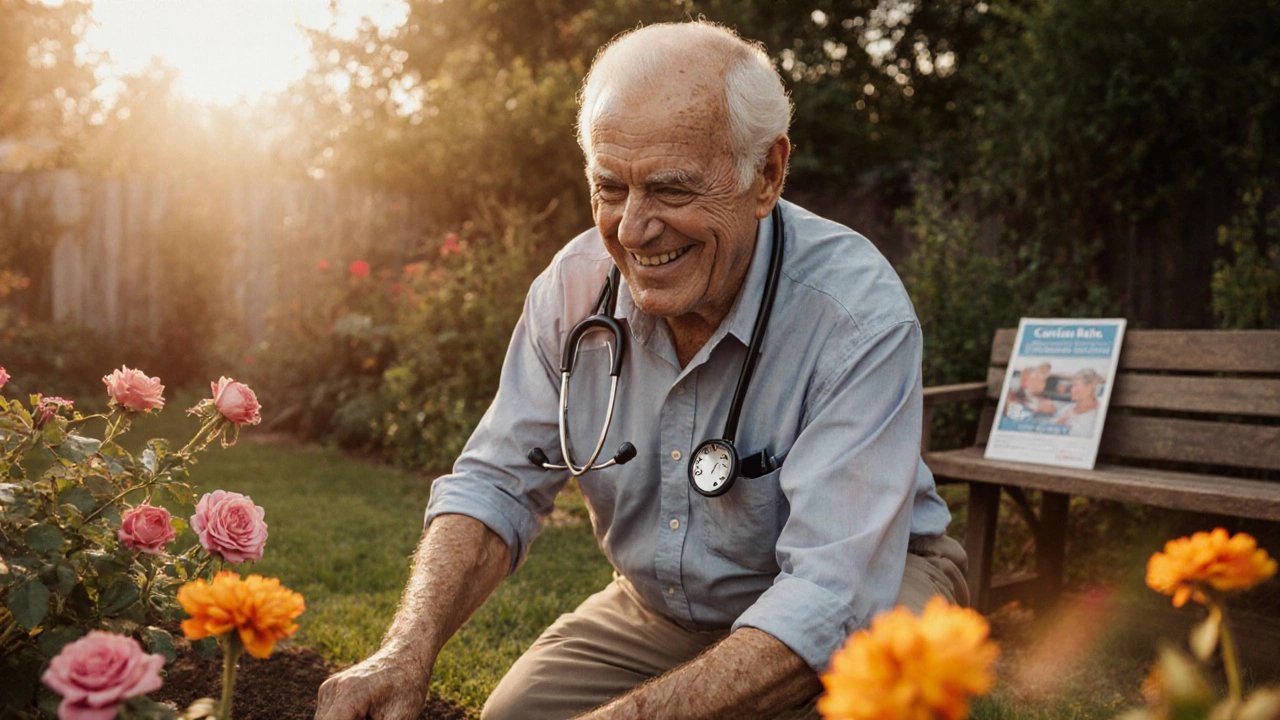
What helps most? Movement, even small steps. Protein-rich meals. Sleep without interruptions. Avoiding long periods sitting. These aren’t fancy tips—they’re the basics that make the difference between coming home and staying hospitalized. And yes, some seniors do go back to gardening, walking the dog, or playing with grandkids. But it takes patience, planning, and the right support.
You’ll find posts here that break down what recovery actually looks like after elderly heart surgery—from the first days in the hospital to months later at home. We cover what to watch for, what to ask your doctor, and what most guides leave out: the quiet struggles, the small wins, and the real stories from people who’ve been through it. No fluff. Just what works.
At What Age Do They Stop Doing Open-Heart Surgery?
There's no age limit for open-heart surgery. Doctors decide based on health, not birthdays. Seniors in their 80s and 90s regularly undergo heart surgery with high success rates when they're otherwise healthy.