FDA Approved Herbal Supplements: What Really Works and What Doesn't
When you see FDA approve herbal supplements, products regulated by the U.S. Food and Drug Administration for safety and labeling claims. Also known as dietary supplements, it includes things like turmeric, echinacea, and St. John’s wort—but most aren’t held to the same standard as prescription drugs. The FDA doesn’t approve herbal supplements the way it does new medications. Instead, it steps in only after problems arise. That means a supplement can be on the shelf for years without ever being tested for safety or effectiveness by the agency. This isn’t a loophole—it’s the law. The Dietary Supplement Health and Education Act of 1994 lets companies sell these products without proving they work, as long as they don’t claim to cure diseases.
So what does it actually mean when a supplement says "FDA approved" on the label? Almost always, it’s misleading. The FDA only approves drugs that go through years of clinical trials. Herbal products? They’re classified as food. That’s why you’ll see phrases like "manufactured in an FDA-registered facility"—that just means the factory follows basic hygiene rules, not that the product itself is proven to help with anything. The real question isn’t whether the FDA approved it. It’s whether science supports it. Studies show certain herbs like turmeric (curcumin) can reduce joint pain, and St. John’s wort may help mild depression. But others, like kava or comfrey, carry real risks—liver damage, in some cases. And many supplements don’t even contain what’s listed on the bottle. A 2021 study by ConsumerLab found nearly 1 in 4 herbal products had contaminants or didn’t have the active ingredient at all.
That’s why knowing the difference matters. If you’re using herbal supplements for arthritis, sleep, or stress, you need to know which ones have actual research backing them—and which ones are just hype. You’ll find posts here that cut through the noise: what herbs actually help with inflammation, which ones interact dangerously with heart meds, and how to spot a trustworthy brand when you’re shopping online. Some of the articles you’ll see cover how people use Ayurvedic herbs alongside Western treatments, what the FDA actually monitors, and why some supplements disappear from shelves overnight after safety alerts. You’ll also learn how to check for third-party testing, understand label claims, and avoid scams that promise miracles. This isn’t about avoiding herbal medicine. It’s about using it wisely—without risking your health for a label that sounds official but means nothing.
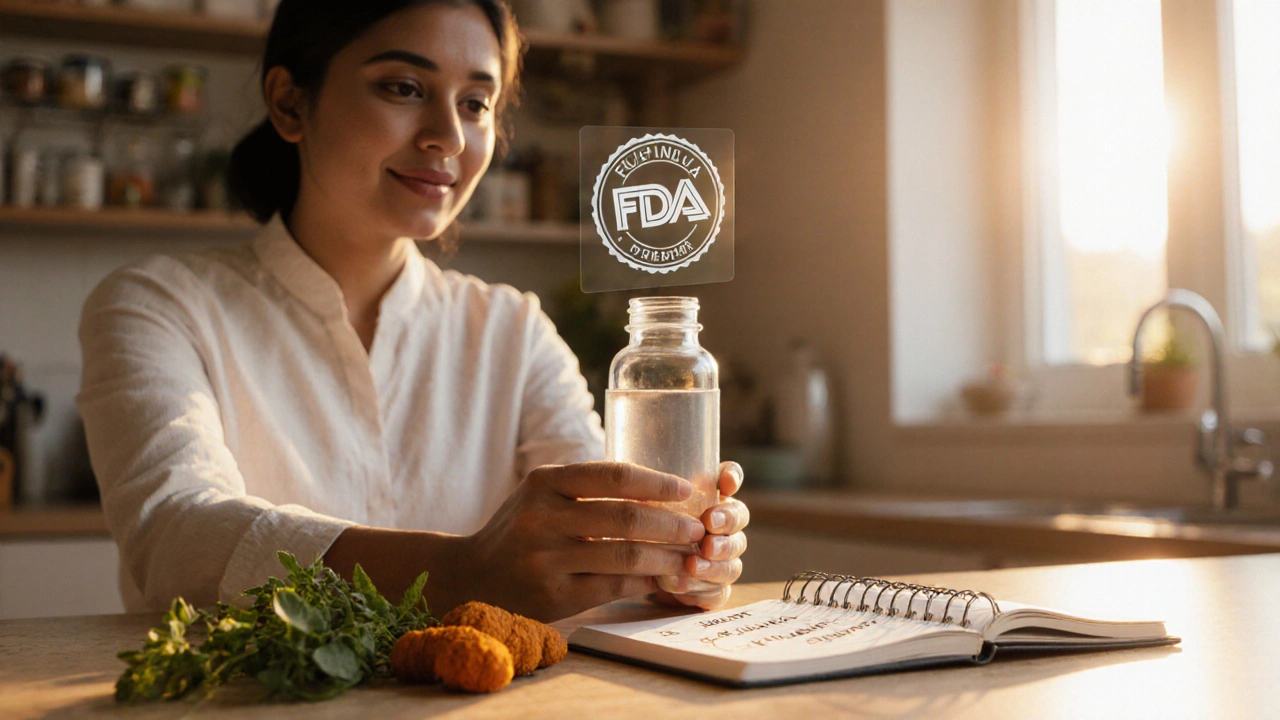
FDA Approval for Herbal Supplements: What You Need to Know
Learn why the FDA doesn't approve most herbal supplements, how they're regulated, and practical steps to verify safety and quality.