FDA Herbal Supplement Regulation: What’s Allowed, What’s Not
When you buy a herbal supplement, a product made from plants sold to support health, not to treat or cure disease. Also known as dietary supplement, it doesn’t need FDA approval before hitting store shelves. That’s not a loophole—it’s the law. Under the Dietary Supplement Health and Education Act of 1994, companies can sell herbal products without proving they work, as long as they don’t claim to treat diseases like cancer, diabetes, or Alzheimer’s. The FDA herbal supplement regulation only steps in after something goes wrong—like a bad reaction, false advertising, or contamination.
The FDA doesn’t test herbs before they’re sold. Instead, it watches for reports of harm. In 2023, the agency issued warnings about herbal weight loss products laced with hidden prescription drugs, and others containing heavy metals like lead and arsenic. Even popular herbs like kava, comfrey, and chaparral have been flagged for liver damage. Meanwhile, herbs like turmeric and ginger are generally safe when used in normal amounts—but that doesn’t mean every bottle on the shelf is trustworthy. The label might say "pure" or "natural," but those words aren’t legally defined for supplements. What matters is whether the manufacturer follows good manufacturing practices (GMPs), which the FDA inspects randomly. Most don’t get checked until someone gets hurt.
Some companies play the system by using vague language like "supports immunity" or "promotes joint comfort." These phrases skirt the line between health claims and medical claims. If a product says it "reduces inflammation like ibuprofen," that’s illegal. But if it says "traditionally used for joint support," it’s allowed—even if no science backs it. The FDA, the U.S. government agency responsible for protecting public health by regulating food, drugs, and supplements can’t shut down every misleading product. They focus on the biggest risks: adulterated supplements, fake clinical trial claims, and products targeting vulnerable groups like seniors or people with chronic illness.
What you can do? Look for third-party seals like USP, NSF, or ConsumerLab. These groups test supplements independently for purity and label accuracy. They don’t guarantee effectiveness, but they do catch harmful fillers. Avoid anything promising rapid results, especially for weight loss, erectile dysfunction, or pain relief—those are red flags. And remember: just because something is sold as an herb doesn’t mean it’s safe with your other meds. St. John’s wort can mess with blood thinners. Garlic supplements can thin your blood before surgery. The herbal medicine, the use of plant-based substances for health purposes, often rooted in traditional systems like Ayurveda you trust from India might be powerful—but in the U.S., it’s treated like a food, not a drug.
You’ll find posts here that dig into real cases: how people got hurt by unregulated herbs, which supplements actually have science behind them, and how to tell a quality product from a scam. You’ll also see how cost, access, and misinformation shape what people buy. Whether you’re using turmeric for arthritis or ashwagandha for stress, knowing how the FDA handles these products keeps you safer. The system isn’t perfect—but understanding it helps you make smarter choices.
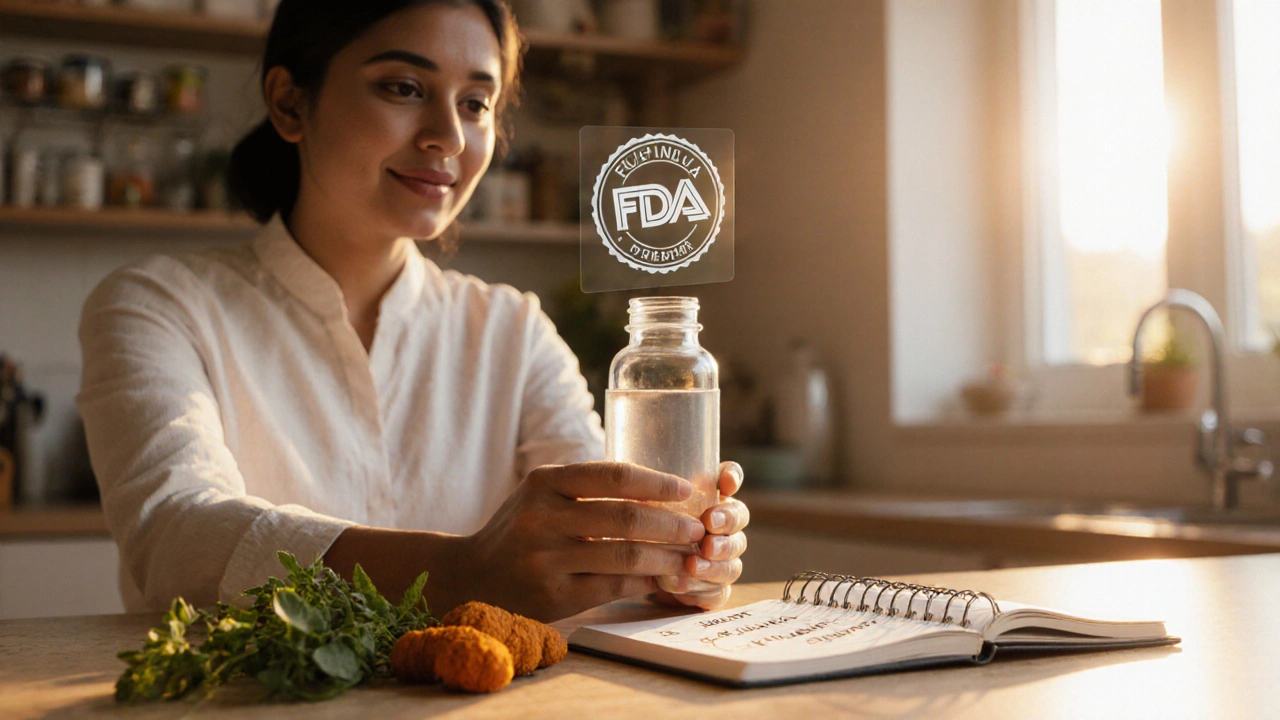
FDA Approval for Herbal Supplements: What You Need to Know
Learn why the FDA doesn't approve most herbal supplements, how they're regulated, and practical steps to verify safety and quality.