Global Health: How Indian and European Medicine Are Shaping Modern Care
When we talk about global health, the collective efforts to improve health outcomes across countries through shared knowledge, policy, and practice. Also known as international health, it’s no longer just about sending aid to low-income regions—it’s about blending proven systems from everywhere to create better, more personal care. Today, global health isn’t just WHO guidelines and vaccine drives. It’s a quiet revolution happening in clinics where an Australian patient takes Ayurveda, a 5,000-year-old Indian system of medicine focused on balance, diet, and natural healing alongside their prescribed diabetes medication. It’s a German senior recovering from heart surgery while using herbal teas backed by centuries of Indian practice. This isn’t fringe stuff—it’s becoming standard in places where people demand more than pills and procedures.
What makes this fusion work is that integrative medicine, a patient-centered approach that combines conventional treatments with evidence-based complementary therapies doesn’t replace science—it expands it. Think of it like this: if modern medicine is the engine of your car, Ayurveda is the tune-up, the oil change, the advice to avoid driving on empty. You still need the engine to move, but you’ll go farther, longer, and with fewer breakdowns if you listen to the whole system. That’s why posts on this site cover everything from how to get a medication passport, a travel document that lists all your prescriptions for international customs and medical emergencies to why open-heart surgery isn’t off-limits at 90 if you’re otherwise healthy. Global health isn’t one-size-fits-all. It’s about matching the right tool to the right person—whether that’s a $90 generic semaglutide from Walmart, a liver-supporting green tea routine from Ayurveda, or knowing which blood tests actually catch problems before they escalate.
What you’ll find here isn’t theory. It’s what real people are doing. Someone in Mississippi is choosing medical tourism because it’s affordable. A 55-year-old woman is adjusting her calories not just to lose weight, but to protect her metabolism after menopause. A cancer patient is asking for emotional support as loudly as they’re asking for chemo. These aren’t separate issues—they’re all pieces of the same global health puzzle. You don’t need to choose between Indian wisdom and European science. You need to know how to use both. Below are real stories, real data, and real advice on how to take control of your health in a world that’s finally starting to listen to more than one tradition.
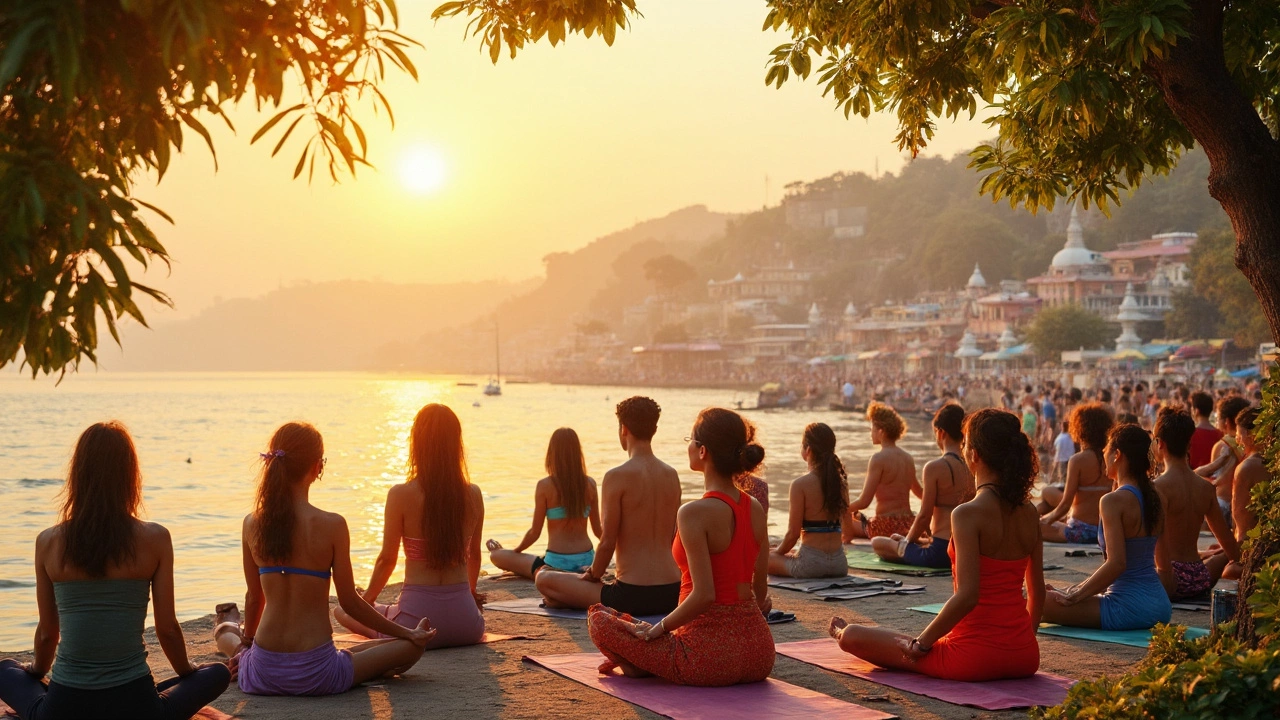
Healthiest Race: Exploring Medical Tourism Benefits
Medical tourism is rising as individuals search for both health and adventure. While some regions offer unique treatments and healthier lifestyles, their influence on overall well-being is undeniable. This article delves into how cultural practices can inspire a healthier life. Discover impactful choices worldwide that promise not only recovery but also a boost to vitality. Find out which cultural habits you might want to adopt in your quest for wellness.