Hardest Bone to Heal: What Really Delays Recovery and How to Fix It
When it comes to healing, not all bones are created equal. The scaphoid bone, a small wrist bone that connects the forearm to the hand is widely known in orthopedics as the hardest bone to heal. Why? It has poor blood flow, sits in a high-motion area, and often goes unnoticed until it’s too late. A fracture here doesn’t always hurt badly at first, so people ignore it—until the bone refuses to knit back together. This isn’t just a slow recovery; it’s a nonunion fracture, when a broken bone fails to heal over time, and it can lead to permanent pain, stiffness, or even arthritis if left untreated.
What makes healing so tricky isn’t just the bone itself—it’s the environment around it. The scaphoid, located near the base of the thumb gets crushed in falls, car accidents, or even awkward twists. Unlike your shin or ankle, which get good blood supply, the scaphoid’s blood vessels run mostly from one end. If the break happens near the middle or top, the blood flow to the broken piece gets cut off. No blood means no healing cells. No healing cells means the bone just sits there, unchanged. And because you use your wrist for everything—opening jars, typing, holding a coffee cup—it’s constantly moving, pulling the broken ends apart. Even a cast can’t fully stop that motion.
Doctors see this all the time. A patient comes in after a fall, says their wrist hurts but they can still move it, and gets an X-ray that looks normal. Two months later, the pain won’t go away. Another X-ray shows the bone never healed. By then, it’s too late for simple fixes. Surgery might be needed—screws, bone grafts, even tissue transfers. Recovery can take six months or longer. And even then, some people never get full strength back. This isn’t rare. Studies show up to 20% of scaphoid fractures develop nonunion if not treated early and correctly.
It’s not the only bone with problems. The hip and talus (ankle bone) also struggle to heal, especially in older adults or those with diabetes. But the scaphoid is the classic case—small, hidden, and unforgiving. What helps? Early diagnosis with MRI or CT scan (X-rays often miss it), strict rest, and sometimes surgery before the damage becomes permanent. Nutrition matters too—enough protein, vitamin D, and calcium aren’t just good advice, they’re necessary. Smoking? It cuts healing time in half. If you’re trying to heal a fracture, quitting isn’t optional—it’s the first step.
The posts below don’t just talk about bones—they cover what really affects recovery: from heart surgery recovery times to how metabolism slows healing after 55, what blood tests reveal about bone health, and even how herbal supplements can interfere with healing. If you’ve been told your fracture isn’t healing, or you’re worried about a slow recovery, these stories give you the real facts—not the myths. This isn’t about wishing for faster healing. It’s about understanding why healing fails, and what you can actually do about it.
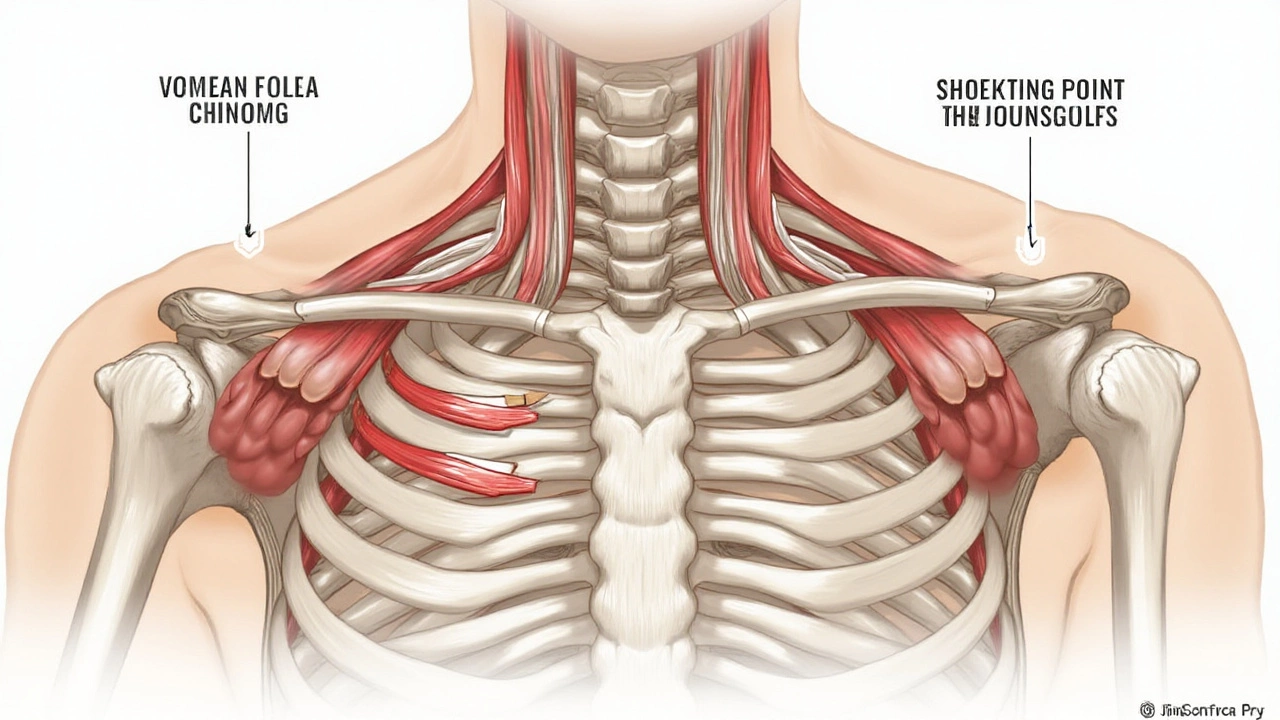
Understanding the Challenges of Healing the Clavicle Bone
Delving into the complexities of bone healing, this article explores why the clavicle, or collarbone, is notoriously difficult to mend. It discusses the anatomy involved, common causes of clavicle fractures, and treatment options available. We also address the factors that impede the healing process and offer practical insights for aiding recovery. Understanding these elements is crucial for anyone looking to comprehend bone injuries and their implications.