Hardest Cancer to Cure: What Makes Some Cancers So Tough to Treat
When people talk about the hardest cancer to cure, a type of malignant disease that resists standard treatments and often spreads before diagnosis. It's not just one disease—it's a group of cancers that outsmart drugs, hide from the immune system, and come back stronger after treatment. Pancreatic cancer, glioblastoma, and certain types of lung and ovarian cancer top the list not because they’re rare, but because they’re sneaky. They grow silently, spread early, and don’t respond well to chemotherapy or radiation the way other cancers do.
What makes these cancers so hard to beat? One big reason is treatment-resistant cancer, cancers that evolve to survive drugs meant to kill them. These tumors don’t just resist treatment—they adapt. A single cell with a genetic mutation can survive chemo, multiply, and rebuild the entire tumor with new defenses. This is why some patients go into remission, only to see the cancer return worse than before. Another factor is late detection, the delay in identifying cancer before it spreads beyond its original site. Unlike breast or skin cancer, which often show visible signs, pancreatic cancer, for example, doesn’t cause symptoms until it’s already wrapped around major blood vessels or invaded the liver. By then, surgery isn’t an option, and drugs have a much harder time reaching the tumor.
Even when treatments work at first, cancer survival rates, the percentage of patients alive after a set time following diagnosis for these cancers stay stubbornly low. Five-year survival for pancreatic cancer is under 12%. For glioblastoma, it’s about 7%. These numbers aren’t just statistics—they reflect real challenges in how we treat cancer today. Doctors can remove tumors, shrink them with drugs, or use radiation to destroy cells, but if the cancer is genetically unstable and constantly changing, it’s like trying to hit a moving target with a blindfold on. That’s why research is shifting toward personalized medicine, looking at each patient’s tumor DNA to find weak spots no one else has.
There’s also the issue of access. Even if new treatments exist—like targeted therapies or immunotherapies—they’re not always available everywhere. Some work better for certain genetic profiles, which means not every patient benefits. And while some cancers respond to immune checkpoint inhibitors, others don’t trigger the immune system at all. That’s why the hardest cancer to cure isn’t just about biology—it’s about timing, resources, and how much we understand each tumor’s unique behavior.
What you’ll find in the posts below aren’t miracle cures or empty promises. They’re real stories and facts about what’s working, what’s not, and how patients and doctors are fighting back—even when the odds are stacked high. From understanding why some treatments fail to learning what support systems actually help, these posts give you the grounded, no-fluff details you won’t get from a brochure or ad.
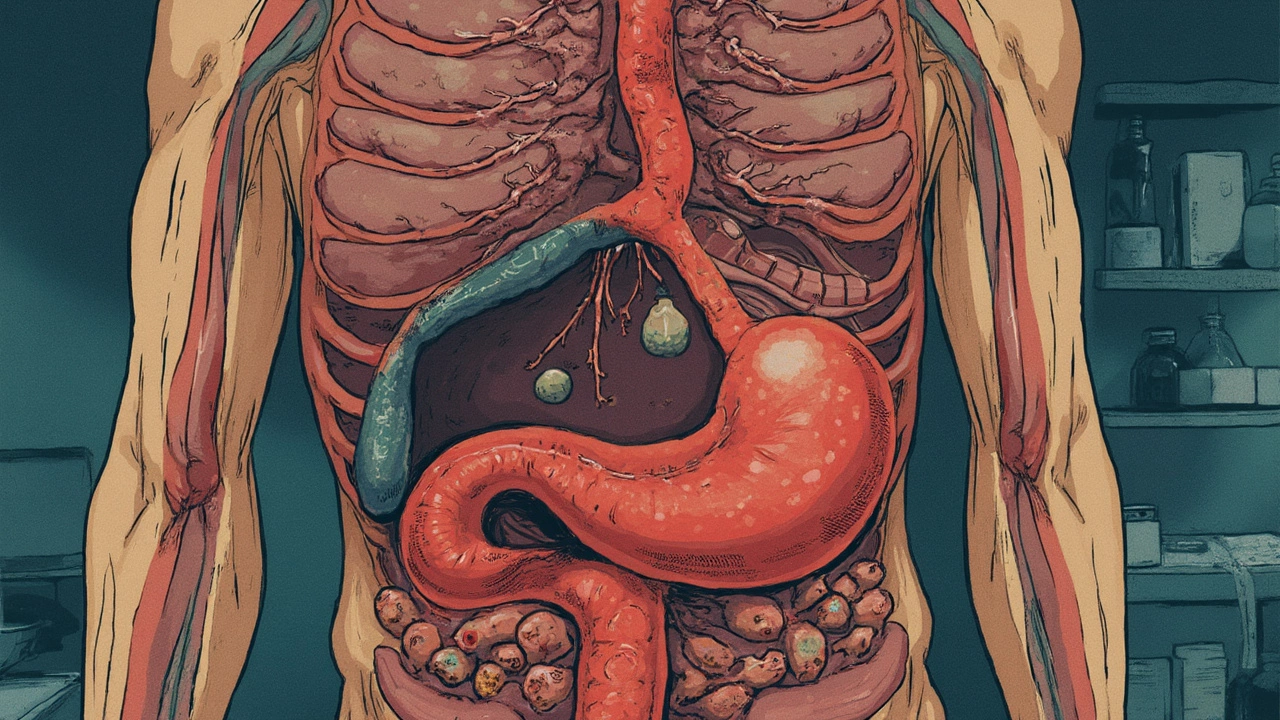
The Toughest Cancer to Tackle: An Insight into Challenging Treatments
Pancreatic cancer is notoriously difficult to treat because of its late detection and aggressive nature. This article explores why it's often deemed the hardest cancer to cure, shedding light on the challenges of treatment and the latest advances in medical science. Learn about the symptoms to watch for, treatment options available, and the importance of early detection. Discover real-life stories and tips from survivors that could offer a ray of hope. Stay informed about ongoing research and trials that aim to tackle this formidable disease.