Healthiest Race: What Really Matters for Long-Term Health
When people ask about the healthiest race, a term often used to describe populations with the lowest rates of chronic disease and longest life expectancy. Also known as longest-living groups, it’s easy to assume genetics hold the answer—but science says otherwise. Studies tracking populations for decades show that people in Okinawa, Japan; Sardinia, Italy; and Nicoya, Costa Rica live longer, not because of their DNA, but because of how they move, eat, connect, and rest. These places don’t have special genes—they have special habits. And those habits are available to anyone, no matter their background.
The idea that one race is naturally healthier than another ignores how deeply health disparities, differences in health outcomes tied to social, economic, and environmental factors. Also known as inequities in care, it shapes real outcomes. A Black American woman is more likely to die from heart disease than a white woman, not because of biology, but because of unequal access to care, stress from systemic bias, and lack of preventive support. Meanwhile, a white man in rural Mississippi might have worse diabetes control than a South Asian man in London—not because of race, but because of food access, income, and whether he can afford medication. The lifestyle health, daily choices like diet, activity, sleep, and social connection that directly impact disease risk. Also known as behavioral health, it matters far more than ancestry. What you eat, how much you move, whether you sleep well, and who you talk to every day are stronger predictors of your health than your skin color.
Genes do play a role—but only a small one. For example, some populations have higher rates of lactose intolerance or sickle cell trait, but these are adaptations to environment, not signs of superior or inferior health. The real difference between the longest-living groups isn’t their bloodline—it’s their rhythm of life. They move naturally, eat whole foods grown nearby, sleep with the sun, and stay deeply connected to family and community. These aren’t secrets. They’re simple, repeatable actions. And they’re the same actions that help a 55-year-old woman lose weight safely, or an 85-year-old recover from heart surgery, or someone with diabetes manage their condition without pills. The healthiest race isn’t a group of people—it’s a way of living. And the posts below show exactly how that way of living plays out in real life: from the best drinks for your liver to the cost of weight loss meds, from annual blood tests to what happens after open-heart surgery. These aren’t just medical facts—they’re life instructions.
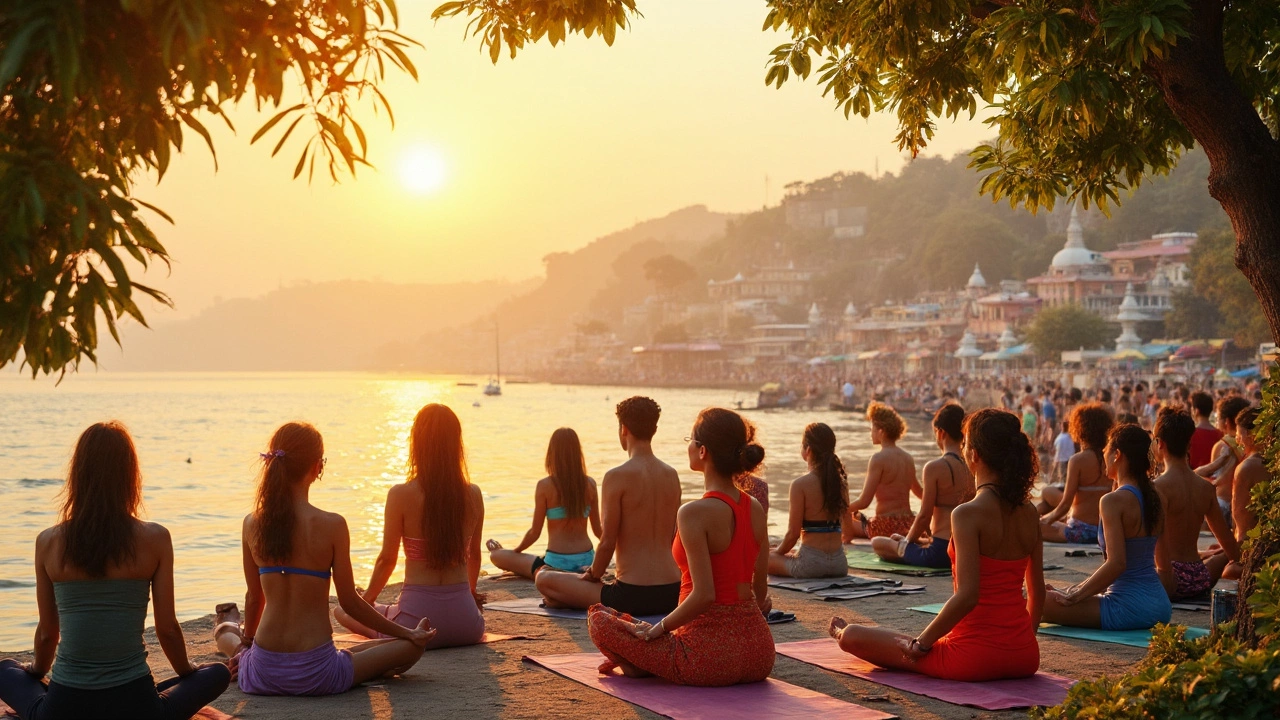
Healthiest Race: Exploring Medical Tourism Benefits
Medical tourism is rising as individuals search for both health and adventure. While some regions offer unique treatments and healthier lifestyles, their influence on overall well-being is undeniable. This article delves into how cultural practices can inspire a healthier life. Discover impactful choices worldwide that promise not only recovery but also a boost to vitality. Find out which cultural habits you might want to adopt in your quest for wellness.