Heart Surgery: What You Need to Know About Recovery, Age, and Risks
When someone talks about heart surgery, a medical procedure to repair or replace damaged heart tissue or vessels. Also known as cardiac surgery, it's not a one-size-fits-all fix—it changes based on your health, not your birthday. Many assume heart surgery is only for middle-aged people, but that’s not true. People in their 80s and 90s regularly have it—when their bodies can handle it, doctors don’t say no just because of age.
There are different kinds of heart surgery, and recovery isn’t the same for all of them. open-heart surgery, a procedure where the chest is opened to access the heart directly. Also known as traditional cardiac surgery, it’s still common for bypasses and valve repairs. Then there’s heart transplant recovery, the long-term process after replacing a failing heart with a donor organ. Also known as post-transplant care, it’s not just about healing the incision—it’s about managing lifelong meds, watching for rejection, and relearning what your body can do. These aren’t just physical challenges. They change how you think about food, movement, sleep, and even your own heartbeat.
Heart surgery risks aren’t just about the operating table. The biggest dangers often come after—you could get an infection, have a stroke, or face trouble with the new valve or graft. That’s why recovery isn’t just resting. It’s rehab, diet, walking, and tracking symptoms. If you’re older or have other health issues, your team will adjust the plan. No one pushes surgery unless the benefits clearly outweigh the risks.
What you’ll find here isn’t theory. It’s real talk from people who’ve been through it. You’ll see how long recovery actually takes, why some surgeries are harder than others, and what doctors really look at before saying yes. There’s no magic age cutoff. No guaranteed outcome. Just facts, experiences, and what matters most: getting back to your life, safely and clearly.

Life Expectancy After Heart Surgery: Realistic Outlooks by Procedure
Discover realistic life expectancy after heart surgery, including survival rates for bypass, valve replacement, and transplants. Learn how age, health, and lifestyle choices impact your long-term prognosis.
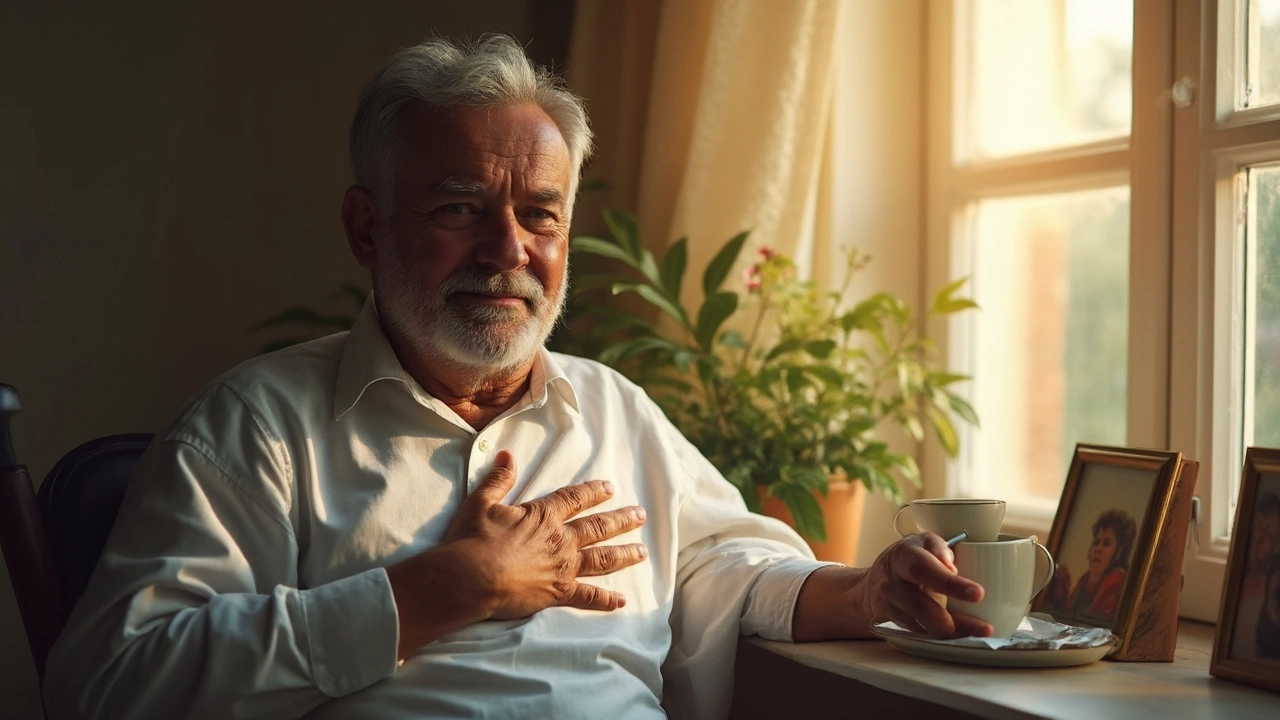
Heart Surgery: What Really Happens After
Wondering what your day-to-day will look like after heart surgery? This article breaks down the real changes, from what it actually feels like to recover, to the unexpected challenges you’ll face. You’ll discover tips for handling fatigue, managing new routines, dealing with emotions, and getting back to former activities. Get practical advice from real experiences, not just theory. Let’s make life after heart surgery less mysterious and a lot more doable.

Understanding Survival Rates of Open Heart Surgery
Open heart surgery is a significant medical procedure involving the repair of various heart conditions. This article dives into the rarity and survival rates associated with the surgery, providing insights into factors affecting outcomes. It aims to give readers a clear picture of the risks and advancements in medical technology. The piece also offers tips for patients preparing for or recovering from heart surgery.
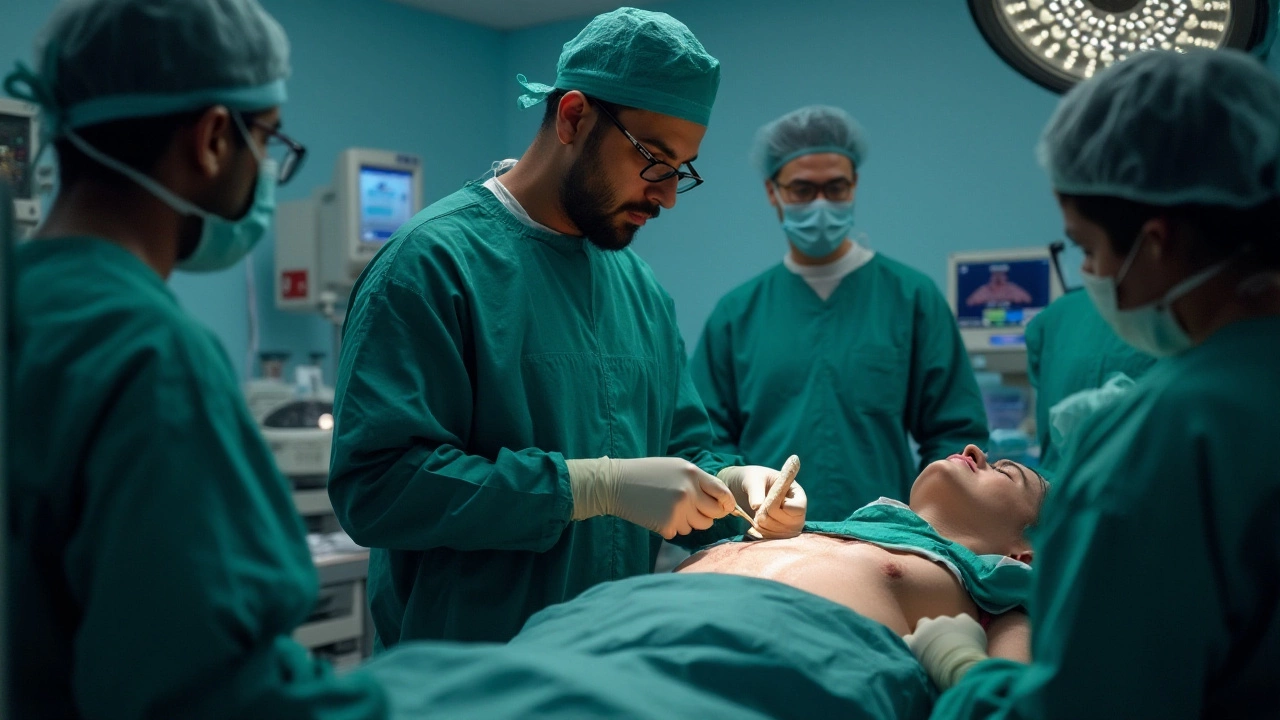
Understanding the Seriousness of Open-Heart Surgery
Open-heart surgery is a critical and intricate procedure often required to address severe cardiac conditions. This surgery involves the surgeon opening the chest to operate on the heart, making it a highly complex intervention. The risks and challenges vary, but it remains an indispensable treatment for issues like blocked arteries or heart valves. Knowing the nuances of this surgery and the recovery process can better prepare individuals facing such life-altering decisions.