Heart Surgery Aftereffects: What to Expect and How to Recover
When you or someone you love has heart surgery, a major medical procedure to repair or replace damaged heart tissue or vessels. Also known as open-heart surgery, it’s not just about the operation—it’s about what happens after the stitches are in. Many people assume recovery is just about healing the chest, but the real challenge lies in the aftereffects, the physical, emotional, and mental changes that follow major cardiac surgery. These aren’t side effects—they’re part of the process. Fatigue, brain fog, trouble sleeping, mood swings, and even pain when you cough or laugh are normal. They don’t mean something went wrong. They mean your body is working hard to rebuild itself.
The recovery timeline, the period it takes to regain strength and function after heart surgery isn’t the same for everyone. A healthy 70-year-old might feel like themselves in 6 weeks. Someone with diabetes or lung issues might take 3 months or longer. What matters isn’t your age—it’s your baseline health before surgery. Studies show seniors in their 80s and 90s often recover just as well as younger patients, as long as they’re otherwise strong. The biggest mistake people make? Pushing too hard too soon. You can’t outrun your body’s need to heal. Walking daily, eating protein-rich meals, and getting enough sleep aren’t optional—they’re your new medicine.
Some aftereffects, the lingering physical and psychological changes following heart surgery surprise people. You might cry for no reason. You might forget where you put your keys. You might feel angry at your family for being too careful. These aren’t signs of weakness—they’re signs of stress on your nervous system. Heart surgery is a major trauma. Your brain and body are adjusting to new rhythms, new medications, and a new sense of vulnerability. That’s why support groups and therapy aren’t luxuries—they’re critical parts of recovery. And if you’re still struggling with pain or mobility after 3 months, it’s not normal. Talk to your doctor. You might need physical therapy, a tweak in meds, or just someone to tell you you’re not alone.
What you’ll find in the posts below isn’t just theory. It’s real talk from people who’ve been through it. You’ll read about how long recovery actually takes, what pain feels like after open-heart surgery, why some people heal faster than others, and how to spot warning signs that mean you need help. There’s no magic fix. But there are proven steps—simple, practical, and backed by experience—that make recovery less scary and more manageable. This isn’t about being perfect. It’s about being patient. And you’re not starting from zero. You’re already ahead just by asking the right questions.
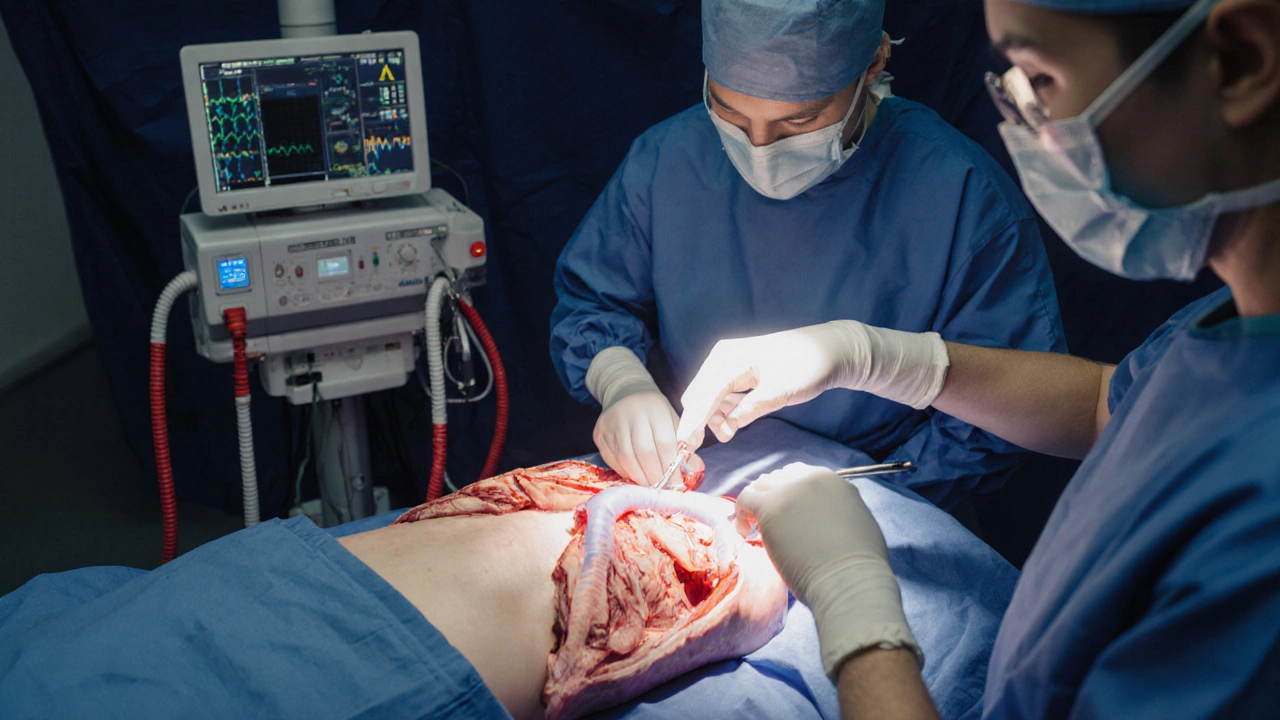
Will I Be the Same After Open‑Heart Surgery? Recovery Facts & Tips
Learn what changes to expect after open‑heart surgery, the recovery timeline, emotional impact, and practical tips for getting back to a normal life.