Hepatotoxic Herbs: What You Need to Know Before Using Them
When you hear "natural remedy," you might think it’s safe. But hepatotoxic herbs, herbs that can cause liver damage when taken in certain doses or over time. Also known as liver-toxic plants, these substances are part of traditional systems like Ayurveda and Chinese medicine — and they’re not always harmless. The liver filters everything you take in, and some herbs overload it. You might not feel anything at first, but over weeks or months, this damage can build up silently — leading to inflammation, scarring, or even liver failure.
Some of the most common hepatotoxic herbs, plants linked to documented cases of liver injury in clinical studies include kava, comfrey, skullcap, and pennyroyal. Even herbs like green tea extract, when taken in concentrated supplement form, have caused serious liver problems. In Ayurveda, herbs like calotropis, germander, and certain forms of jatamansi have been flagged in research for potential toxicity. The risk isn’t always about the herb itself — it’s about dosage, duration, purity, and how your body reacts. Someone with a healthy liver might handle a small amount of kava without issue. Someone with existing liver stress — maybe from alcohol, medication, or fatty liver — could face serious consequences from the same dose.
It’s not about avoiding all herbs. It’s about knowing which ones need caution. herbal medicine, the use of plant-based substances for health purposes works for many conditions — but it’s not risk-free. Studies show that herbal supplements are among the top causes of drug-induced liver injury in countries with high supplement use. The problem? Many people assume "natural" means "safe," and don’t tell their doctor what they’re taking. That’s dangerous. If you’re using herbs alongside prescription drugs — especially for diabetes, heart conditions, or mental health — the interactions can be unpredictable. Liver enzymes don’t always show problems until it’s too late. That’s why blood tests like ALT and AST are important if you’re on long-term herbal regimens.
There’s no universal list of "good" or "bad" herbs. What matters is context: your health, your medications, your liver’s condition, and how the herb is prepared. Some traditional preparations reduce toxicity through processing — others don’t. And supplements aren’t regulated like drugs. A bottle labeled "pure ashwagandha" might contain contaminants, fillers, or even stronger, unlisted herbs. If you’re using Ayurvedic formulas, ask for batch testing results. If you’re buying online, check for third-party verification. And if you start feeling unusually tired, notice yellowing in your eyes or skin, or have dark urine — stop everything and get checked.
This collection doesn’t tell you to avoid herbal medicine. It tells you to use it wisely. Below, you’ll find real stories, science-backed warnings, and practical advice from people who’ve walked this line — from those who benefited to those who paid the price. You’ll learn what tests to ask for, which herbs are most risky, and how to talk to your doctor without sounding like you’re dismissing your own choices. Because your liver doesn’t care if something is ancient or organic. It only cares what you put into it — and how much.
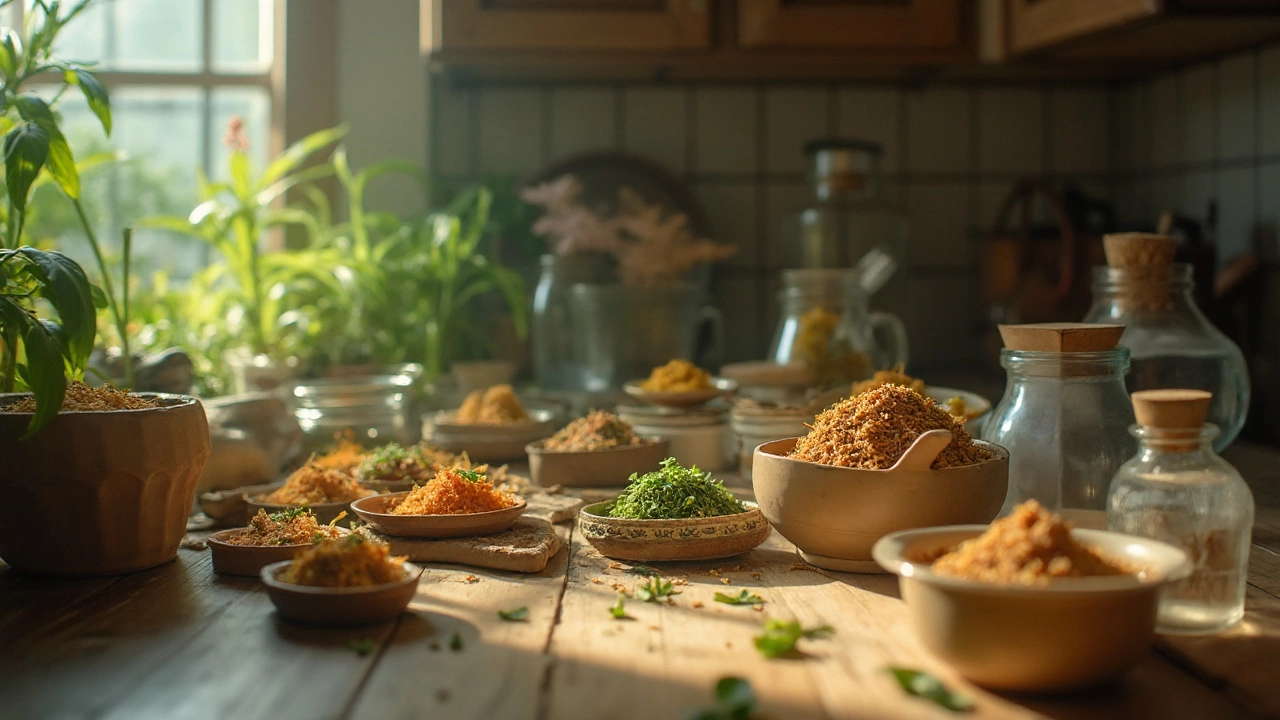
Which Herbs Are Toxic to the Liver? Risks, Symptoms, and Safe Use (2025)
Worried about herbal liver toxicity? See which herbs are risky, how harm happens, red flags to watch, and safe-use rules. Clear, evidence-backed, 2025-ready.