Herbal Supplements: What Works, What Doesn’t, and What You Need to Know
When you hear herbal supplements, natural products made from plants used to support health or treat conditions. Also known as botanicals, they’re one of the most popular ways people try to take control of their health without prescription drugs. But here’s the problem: not every herb you see in a bottle actually does what it claims. Some work. Some are harmless fluff. A few even mess with your meds. The key is knowing which ones have real science behind them—and which ones are just fancy tea with a price tag.
Take Ayurveda, an ancient Indian system of medicine that uses herbs, diet, and lifestyle to balance the body. It’s not just history. Ayurvedic herbs like turmeric, ashwagandha, and bitter melon are now studied in labs across Europe and the U.S. Turmeric’s active compound, curcumin, shows real promise for reducing inflammation. Ashwagandha helps lower cortisol in stressed-out adults. Bitter melon? It’s been shown in clinical trials to help lower blood sugar in people with type 2 diabetes. These aren’t myths. They’re plant-based tools, used for centuries, now being validated by modern research.
But here’s the catch: liver health, how well your liver filters toxins and processes nutrients. Many herbal supplements claim to "detox" or "flush" your liver. But your liver doesn’t need flushing—it’s already doing its job. What it does need is support. Green tea, milk thistle, and coffee (yes, coffee) have actual evidence showing they help liver enzymes stay balanced. On the flip side, some herbs like kava and comfrey can actually damage your liver if taken long-term. That’s why knowing the source, dose, and safety profile matters more than the label’s hype.
And don’t assume "natural" means safe. Herbal supplements aren’t regulated like pills. Two bottles with the same name can have wildly different strengths—or even hidden drugs. A 2023 study found one in five herbal products sold online contained unlisted pharmaceuticals, including steroids and diabetes meds. That’s not herbal. That’s dangerous.
What you’ll find in the posts below are real stories, real data, and real questions people are asking: Can herbs help with diabetes? Is there a drink that actually helps your liver? Do any supplements work for weight loss? You’ll see how Ayurveda connects to modern medicine, what herbs are backed by studies, and which ones you should skip. No fluff. No marketing. Just what you need to know before you swallow another pill.
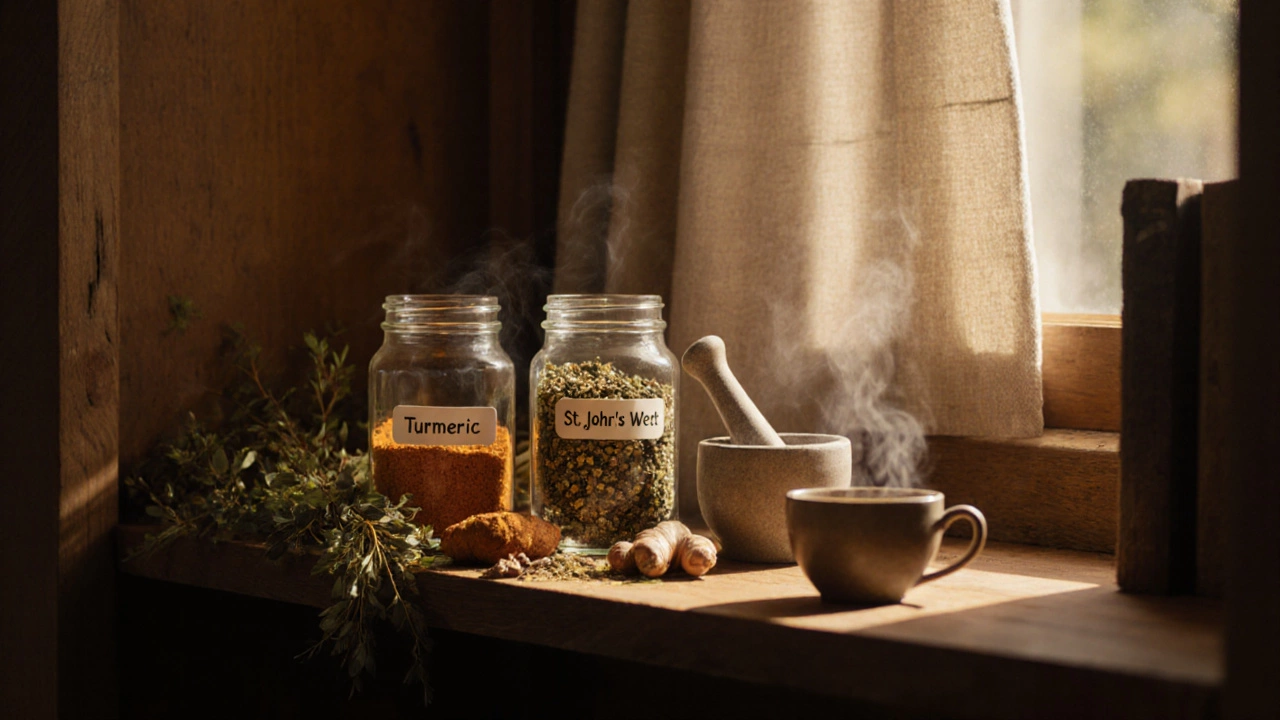
Does herbal medicine really work? Science-backed answers you need to know
Herbal medicine works for some conditions like mild depression and arthritis-but not all. Science shows which herbs actually help, which are risky, and how to use them safely.

Best Herbal Supplement Brands: What Really Works Today?
Curious about which herbal supplement brands actually deliver results? This article breaks down the top choices, showing you what sets them apart from the rest. Learn how to spot quality in an industry full of noise, what markers to check for safety, and which labels are just hype. Plus, find tips for choosing the right supplements for your needs. If you're trying to make herbal health less confusing, you'll get the answers here.
Vitamins With the Highest Risk of Toxicity: What You Need to Know
Not all vitamins are harmless, especially when taken in high doses. Vitamin A and vitamin D are the top culprits for toxicity risk, especially if you're using herbal supplements without proper guidance. This article breaks down why these two vitamins can be dangerous, what symptoms to watch for, and how to use supplements safely. Get simple, real-world tips that can save your health or your wallet. Don't let a good intention turn into a bad mistake.

Can Christians Take Herbs: A Comprehensive Guide
This article explores whether Christians can take herbal supplements, considering both religious perspectives and practical health benefits. It delves into the role of herbs in the Christian tradition, potential health advantages, and possible conflicts with religious beliefs. Specific tips and points are highlighted to help Christians make informed decisions. By combining faith and wellness, this guide offers a balanced view on herbs in the Christian lifestyle.

What to Look for When Buying Herbal Supplements
Shopping for herbal supplements can be confusing with so many options out there. It's crucial to understand what to look for to ensure quality and safety. Learn how to identify reputable products, assess ingredient lists, and verify certifications. You'll discover the importance of reliable brands and the role of professional advice. Equip yourself with essential tips to make informed choices.

Understanding Ashwagandha: Side Effects and Unusual Reactions
Ashwagandha is a popular herbal supplement known for its stress-relieving properties. However, some individuals report feeling strange or experiencing unexpected side effects after consumption. Exploring why these reactions occur can help users make informed decisions about its use. This article delves into the potential reasons for such feelings, unusual effects, and provides useful tips for safe usage.

Herbs That Should Not Be Mixed: A Guide to Safe Herbal Combinations
Mixing certain herbs can result in adverse effects or reduced efficacy, making it vital to be aware of unsafe combinations. This article explores which herbs shouldn't be taken together and why. It offers a deep dive into common interactions and provides useful tips for those using herbal supplements. Enhance your understanding of herb safety to maintain optimal health.

Who Should Avoid Herbal Supplements and Why: Essential Guide
Herbal supplements are becoming increasingly popular for their natural benefits. However, not everyone should consider them safe or beneficial. This article delves into who should avoid these products due to potential health risks and interactions. It aims to educate readers on the precautions associated with herbal supplements. By understanding these factors, individuals can make informed decisions regarding their health.