IVF Babies: What Science Says About Their Long-Term Health
When we talk about IVF babies, children conceived through in-vitro fertilization, where eggs and sperm are combined outside the body and then implanted. Also known as test-tube babies, these children are now adults in their 40s, and the data on their lifelong health is clearer than ever. The big question isn’t whether IVF works—it does. It’s whether these kids grow up with hidden health risks. The answer isn’t simple, but it’s not scary either.
IVF research, long-term studies tracking children born from assisted reproduction since the 1970s shows most IVF babies are just as healthy as those conceived naturally. They hit milestones on time, perform well in school, and have similar rates of chronic illness. But there are small differences. A few large studies, including ones from the UK and Australia, found slightly higher rates of high blood pressure and lower birth weights in IVF babies—though these often even out by adolescence. The biggest factor? Not the IVF process itself, but whether the parents had underlying fertility issues like PCOS or advanced maternal age. These conditions can influence pregnancy outcomes, regardless of how conception happened.
IVF long-term risks, potential health concerns that may appear later in life for children born from IVF are still being studied, but current evidence doesn’t support panic. There’s no link to higher cancer rates, no spike in autism or intellectual disability. The one area that keeps researchers watching is metabolic health—things like insulin sensitivity and cholesterol levels in adulthood. But even here, lifestyle plays a bigger role than the method of conception. A child born via IVF who eats well, moves daily, and sleeps enough has the same odds of staying healthy as any other child.
What about multiples? If twins or triplets were born because more than one embryo was transferred, that’s where risks increase—prematurity, low birth weight, developmental delays. That’s why most clinics now recommend single embryo transfers. It’s safer for mom and baby. And if you’re considering IVF, know this: the process doesn’t change your child’s DNA. It doesn’t make them "less natural." It just gives them a different starting line.
Parents of IVF babies often worry about the future. Will they be okay? Will they face stigma? Will their own health be affected? The truth is, most IVF kids grow up without knowing they were conceived this way—and if they do, it’s rarely a big deal. What matters most isn’t how they were made, but how they’re raised: with love, good food, regular checkups, and space to breathe.
Below, you’ll find real studies and practical insights from parents and doctors. We’ve pulled together the most reliable data on IVF babies—what’s proven, what’s exaggerated, and what you should actually pay attention to. No fluff. Just what you need to know.
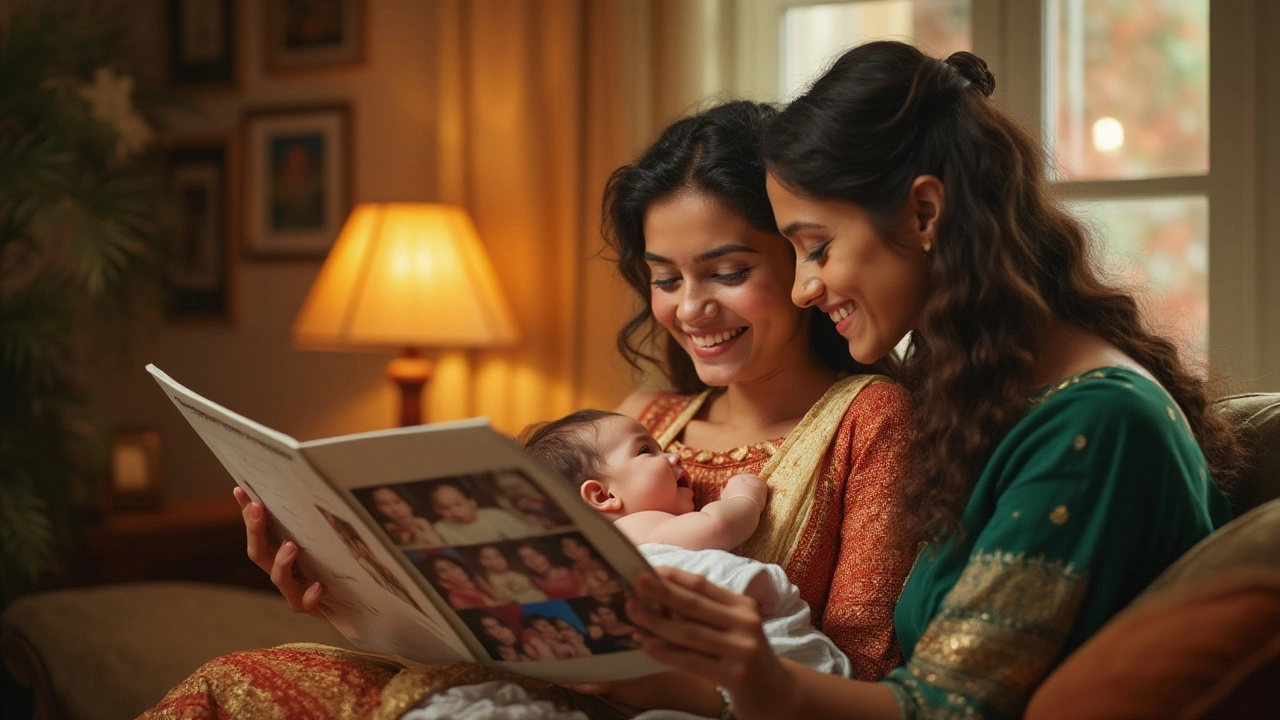
Do IVF Babies Resemble Both Mothers in Shared Genetic Traits?
When considering IVF as a family-building option, prospective parents often wonder how closely their child will resemble them, especially in same-sex female couples. With one partner providing the egg and the other carrying the pregnancy, determining the genetic influence of both can be intriguing. This article explores genetic contributions in IVF babies, interactions of DNA with the environment, and how family likeness can unfold beyond genetics.