Nutrition Plan: What Works for Aging, Diabetes, and Weight Loss
When we talk about a nutrition plan, a personalized eating strategy designed to support health goals like weight loss, metabolic health, or disease management. Also known as a diet plan, it's not just about cutting calories—it's about matching food to your body’s changing needs as you age, manage illness, or recover from surgery. Many people think a nutrition plan means following the same low-calorie rules everyone else does. But that’s not how it works in real life. A 55-year-old woman trying to lose weight needs something very different from a 35-year-old man with prediabetes. Your metabolism slows. Hormones shift. Muscle melts away. And no pill or shake fixes that—only the right mix of food, movement, and sleep can.
A good nutrition plan for someone over 50 focuses on protein, a key nutrient that helps preserve muscle mass and keeps metabolism active during aging and fiber, a dietary component that supports digestion, stabilizes blood sugar, and reduces cravings. It’s not about starving yourself. It’s about eating enough of the right things. Studies show women in their 50s aiming for 1,200 to 1,600 calories a day can lose weight safely—if those calories come from eggs, lean meat, beans, vegetables, and healthy fats. Too few calories, and your body starts eating muscle instead of fat. Too many carbs, and your blood sugar spikes, making insulin resistance worse. That’s why a nutrition plan for diabetes isn’t just about sugar—it’s about timing, portion, and food quality. GLP-1 agonists like Wegovy or semaglutide can help, but they work better when paired with a real eating pattern, not a fad.
And it’s not just about what you eat. It’s about when, how, and why. Sleep affects hunger hormones. Movement keeps your metabolism humming. Stress makes your body hold onto fat. A nutrition plan that ignores these factors is just a grocery list. That’s why the posts here cover everything from how many calories a 55-year-old woman should eat, to whether herbal supplements help with liver health, to why some people can’t lose weight on metformin alone. There’s no magic food. But there are real patterns. You’ll find clear, no-fluff advice on what to eat after open-heart surgery, how to eat for liver support, and why a simple change in protein intake can make a bigger difference than any detox drink. This isn’t about perfection. It’s about progress. And below, you’ll find real stories, real science, and real plans that actually work—for people just like you.
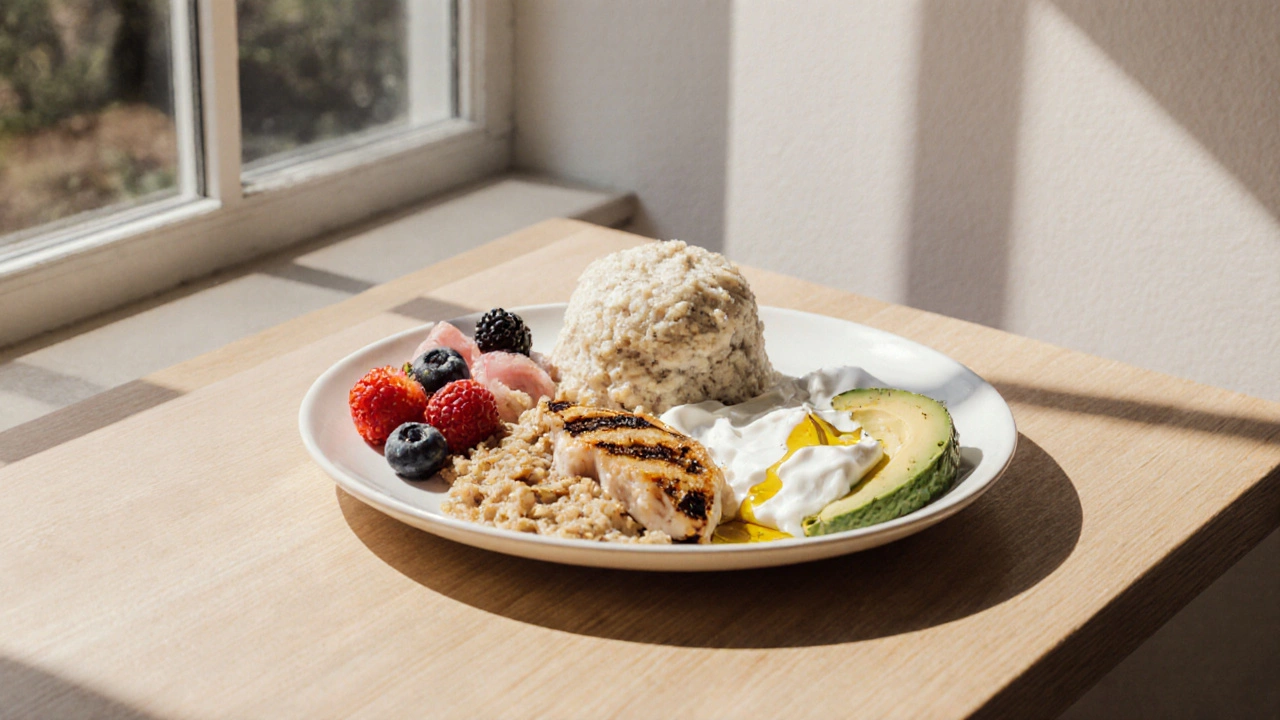
Understanding the 40‑30‑30 Rule for Weight Loss: A Complete Guide
Learn what the 40‑30‑30 rule is, how it supports weight loss, step‑by‑step setup, sample meals, common pitfalls, and whether it fits your goals.