Open-Heart Surgery Recovery: What to Expect and How to Heal Faster
When you or someone you love has had open-heart surgery, a major cardiac procedure to repair or replace heart valves, bypass blocked arteries, or fix structural defects. Also known as sternotomy, it’s one of the most common yet demanding surgeries adults face. Recovery isn’t just about the incision healing—it’s about rebuilding strength, trust in your body, and daily function. There’s no magic timeline. Some people walk short distances by day 5. Others need weeks just to get out of bed without help. What matters isn’t the calendar—it’s how your body responds.
Cardiac surgery healing, the process of regaining heart function and physical stamina after chest surgery doesn’t happen in a hospital. It happens at home, in quiet mornings, in slow walks down the hallway, in meals eaten with both hands because lifting one is still too much. Your sternum takes 6 to 8 weeks to fuse back together. That’s not a suggestion—it’s biology. Push too hard too soon, and you risk reopening the cut or damaging the repair. But stay still too long, and your muscles waste, your lungs stiffen, and your heart forgets how to pump efficiently. Movement isn’t optional. It’s medicine.
Elderly heart surgery, heart operations performed on patients over 75, often with other chronic conditions is more common than you think. People in their 80s and 90s regularly undergo these procedures today—not because they’re young, but because they’re otherwise healthy. Success isn’t about age. It’s about function. Can you climb stairs? Walk without help? Eat normally? Those matter more than your birth year. Recovery for older adults isn’t slower just because they’re older—it’s slower because their bodies have less reserve. That doesn’t mean they can’t recover. It means they need more patience, more support, and more realistic goals.
Heart surgery risks, potential complications like infection, stroke, or irregular heartbeat after chest surgery are real, but they’re not guaranteed. Most people don’t have major issues. The biggest risk? Giving up too early. Depression, fatigue, and fear of pain are normal. They’re not signs of failure. They’re part of the process. Sleep matters more than you think. Protein matters more than you think. Walking 10 minutes twice a day matters more than any pill.
What you’ll find below aren’t generic tips. These are real stories from people who’ve been through it—what helped, what didn’t, and what surprised them. From how to sit on the toilet safely after surgery to why your doctor won’t let you drive for six weeks, it’s all here. No fluff. No hype. Just what you need to know to heal without guessing.
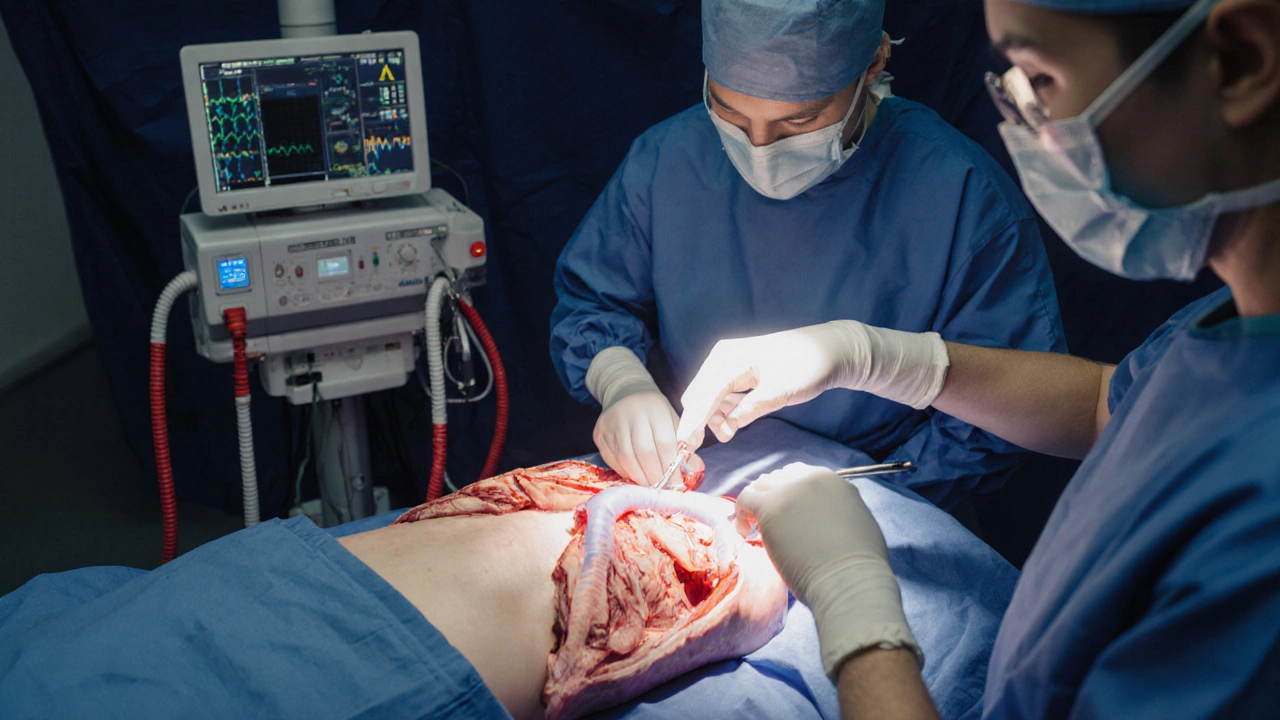
Will I Be the Same After Open‑Heart Surgery? Recovery Facts & Tips
Learn what changes to expect after open‑heart surgery, the recovery timeline, emotional impact, and practical tips for getting back to a normal life.