Operating Room Procedure: What Happens Behind the Scenes in Surgery
When you hear operating room procedure, a planned surgical intervention performed in a controlled medical environment to treat injury or disease. Also known as surgical procedure, it’s not just about cutting and stitching—it’s a tightly coordinated sequence of steps designed to keep you safe while fixing what’s wrong. Every operating room procedure starts long before you’re wheeled in. It begins with a team review, sterile prep, and a final check of your name, surgery type, and surgical site. This isn’t bureaucracy—it’s a safety net. Hospitals follow protocols like the WHO Surgical Safety Checklist because even small mistakes can have big consequences.
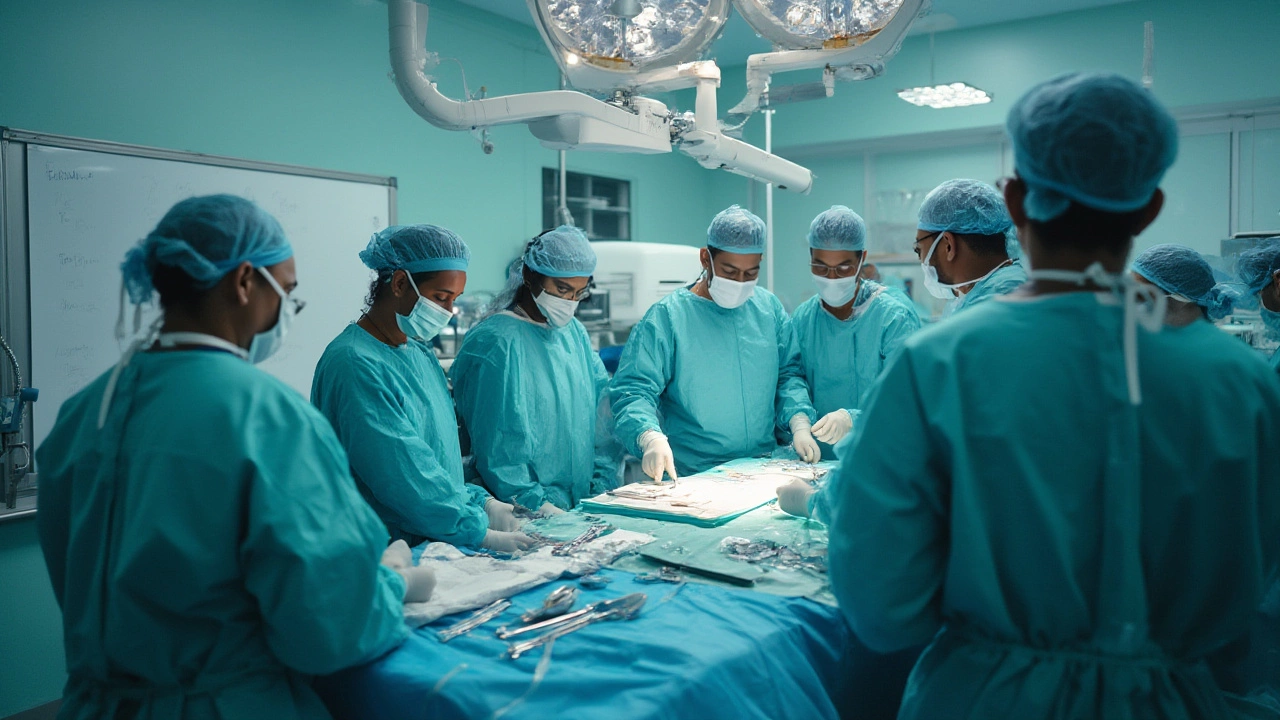
Behind the scenes, the sterile field, a contamination-free zone around the surgical site where only sterilized instruments and personnel operate is sacred. Gowns, gloves, masks, and drapes aren’t just for show—they block bacteria that could cause life-threatening infections. The anesthesiologist, a specialized doctor who manages pain, consciousness, and vital signs during surgery watches your breathing, heart rate, and blood pressure like a hawk. Meanwhile, the scrub nurse passes tools with precision, and the surgeon moves with purpose. It’s teamwork under pressure. And it’s not just for heart surgery or knee replacements—pre-op preparation, the steps taken before surgery to ensure patient readiness, including fasting, lab tests, and medication review matters whether you’re 25 or 85. Even if you’re healthy, skipping a blood test or eating before surgery can delay or cancel the whole thing.
Recovery doesn’t start the moment you wake up—it starts the moment you walk into the hospital. The post-op recovery, the phase after surgery where the body heals, pain is managed, and complications are monitored is where many patients face their biggest challenges. Some recover in hours. Others need weeks. Heart transplant patients, for example, face lifelong immunosuppression. Knee replacement patients must relearn how to sit on a toilet. The same operating room procedure can mean total life change for one person and minor disruption for another. That’s why your health history, age, and lifestyle aren’t just background info—they’re part of the surgical plan.
What you’ll find in the posts below isn’t just a list of surgeries. It’s real stories from people who’ve been through it—their fears, their surprises, their recovery wins. You’ll see how open-heart surgery isn’t ruled out by age, how liver health affects surgical risk, and why some of the hardest recoveries aren’t from the most complex cuts but from the invisible toll on your body and mind. Whether you’re preparing for surgery, supporting someone who is, or just curious about what happens behind those closed doors, this collection gives you the facts without the fluff.
Number One Rule of Surgery: Why Patient Safety Comes First
Explore the number one rule of surgery, why patient safety is essential, and how strict surgical protocols save lives. Get real-life examples and tips for safer surgery.