Orthopedic Hospital: What to Expect and How Indian and European Care Compare
When you think of an orthopedic hospital, a medical facility specializing in diagnosing and treating conditions of the musculoskeletal system, including bones, joints, ligaments, tendons, and muscles. Also known as a bone and joint clinic, it's where people go after injuries, for arthritis relief, or to get joint replacements. These aren’t just places for surgery—they’re centers for long-term healing, mobility restoration, and pain management. Whether you're in Mumbai or Munich, the goal is the same: get you moving again. But how they get there? That’s where things get interesting.
European orthopedic hospitals often rely on high-tech imaging, robotic-assisted surgeries, and strict rehab protocols backed by decades of clinical data. Think MRI-guided knee replacements and physiotherapy schedules tracked down to the minute. Meanwhile, many Indian orthopedic hospitals—especially those blending traditional practices—add layers of care you won’t find elsewhere. Ayurveda, for example, isn’t just about herbs. It’s about personalized recovery: dietary plans to reduce inflammation, yoga-based movement therapy to rebuild strength without strain, and herbal oils used in massage to ease stiffness after surgery. You don’t have to choose one system. The best outcomes often come from combining the precision of modern orthopedics with the holistic rhythm of Indian healing traditions.
Recovery after bone surgery isn’t just about healing the cut—it’s about rebuilding your life. That’s why joint replacement, a common procedure in orthopedic hospitals where damaged joints like hips or knees are replaced with artificial ones isn’t just a one-time fix. It’s the start of a new routine. You’ll need help with simple things like sitting on the toilet, getting out of bed, or climbing stairs. That’s where orthopedic recovery, the process of regaining mobility, strength, and independence after musculoskeletal surgery or injury becomes critical. In Europe, you might get a dedicated rehab nurse and a home exercise app. In India, you might get a family member guiding you through daily movements, plus a weekly herbal poultice to soothe swelling. Both work. But together? They’re powerful.
And it’s not just about the surgery. Pain management after bone surgery, any surgical procedure performed on bones, often to repair fractures, correct deformities, or replace damaged joints can be tricky. Western medicine leans on pills—NSAIDs, opioids, nerve blockers. Ayurveda offers alternatives: turmeric paste for swelling, ashwagandha to calm nerves, and gentle heat therapy to improve circulation. Many modern orthopedic hospitals now offer both. You can have your titanium hip and your turmeric tea.
What you’ll find in these posts isn’t just a list of procedures. It’s real stories from people who’ve walked through an orthopedic hospital door—whether they had a knee replacement, a broken hip, or chronic back pain. You’ll learn how to sit safely after surgery, what to ask your surgeon before signing off, how to spot if your rehab plan isn’t working, and why some people recover faster than others—not because of luck, but because of the choices they made. Some posts dig into the cost of care across countries. Others show you how Ayurvedic practices can cut down swelling and speed up healing after a fracture. There’s even a guide on how to handle pain without relying on pills.
There’s no one-size-fits-all path through an orthopedic hospital. But with the right mix of modern science and time-tested wisdom, you don’t just survive recovery—you get stronger than before.

Best Doctor for Bones: How Orthopedic Specialists Can Help You Heal
Confused about which doctor to see for bone issues? This article explains exactly what an orthopedic doctor does, how they differ from other specialists, and when you need to see one. Get practical tips for picking the right orthopedic specialist, interesting facts about bone care, and learn what to expect during your hospital visit. Find out how to spot the real experts so you can get back on your feet fast.
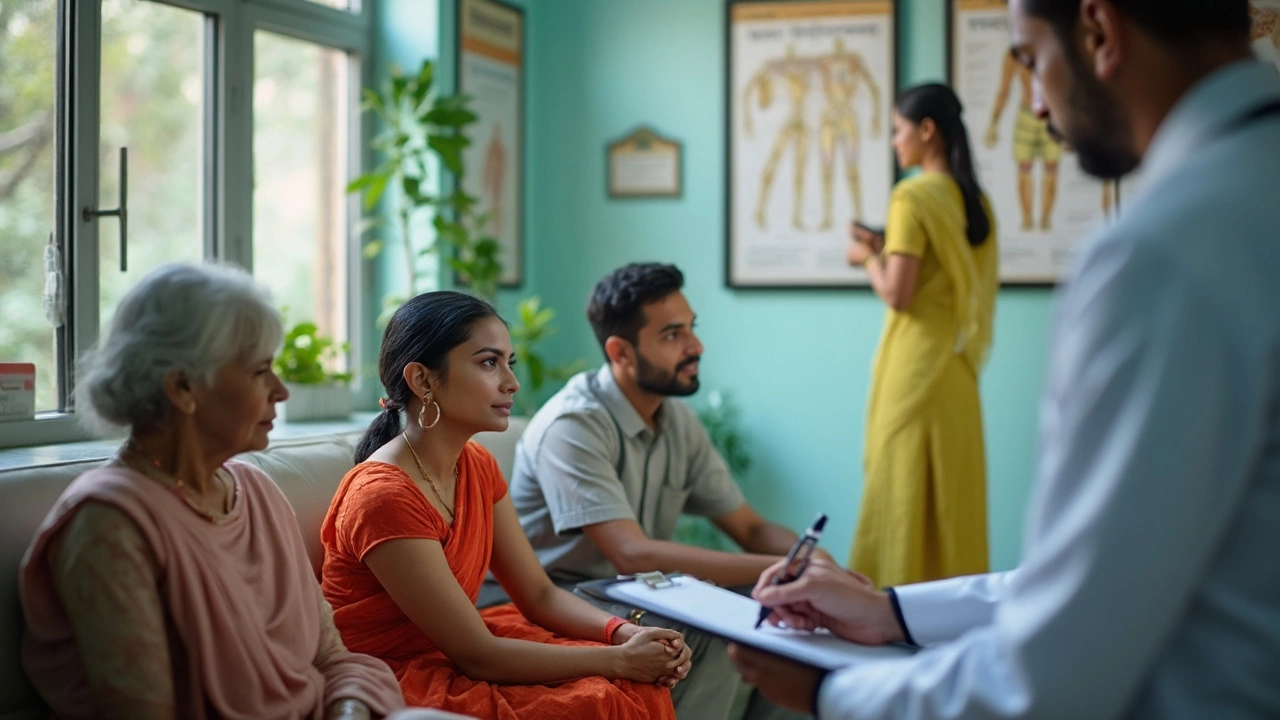
What to Tell Your Orthopedic Doctor: Essential Details for Your Visit
Knowing what to tell your orthopedic doctor can make your visit smoother and more helpful. This article breaks down exactly what information you should share, from describing your pain in everyday terms to mentioning any old injuries or lifestyle habits. With relatable advice, including practical checklists and simple tips, you'll walk into your appointment ready to get the best care. You'll also find out why little details—like how you sleep or what sports you play—matter more than you think. Don't risk a half-baked diagnosis because you skipped the small stuff.

Top Orthopedic Hospitals for Nerve Damage Treatment in 2025
Nerve damage can be a debilitating condition requiring specialized care. This article explores the leading orthopedic hospitals known for their expertise in treating nerve damage. You will learn about the latest advancements and the personalized care that sets these facilities apart. Whether you're seeking surgical options or rehabilitation, discover where to find top-notch treatment.
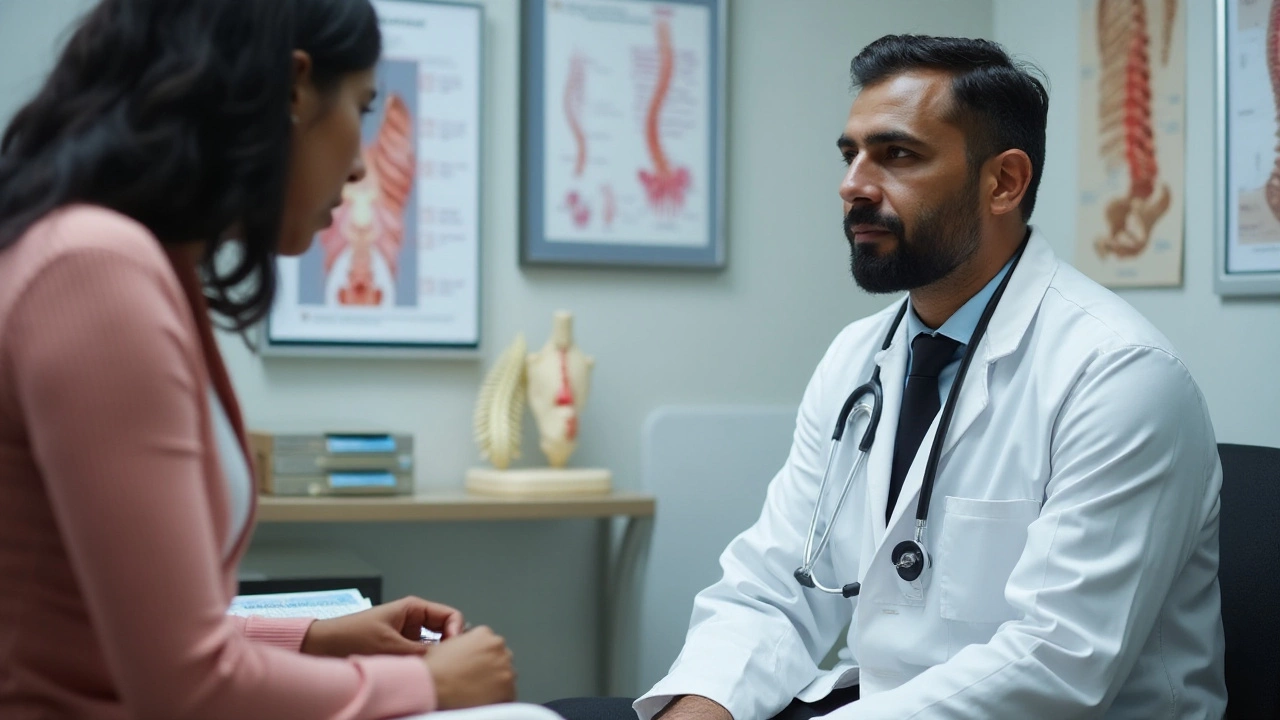
Can Orthopedic Doctors Treat Pinched Nerves Effectively?
This article delves into the role of orthopedic doctors in diagnosing and treating pinched nerves. It explains what a pinched nerve is, how orthopedists approach treatment, and when you should seek specialist care. With insights into possible therapies and real-world tips, it addresses concerns patients might have about recovery and effective management of this common ailment.