Pharmacy Verification: How to Spot Legit Medicines and Avoid Dangerous Counterfeits
When you buy medicine, you’re trusting that what’s in the bottle is real, safe, and effective. But pharmacy verification, the process of confirming a pharmacy’s legal status, licensing, and drug sourcing. Also known as pharmacy legitimacy check, it’s the only thing standing between you and deadly fake pills. Every year, thousands of people end up in hospitals because they bought drugs from unverified online sellers. These aren’t just ineffective—they’re laced with rat poison, battery acid, or nothing at all.
Real legitimate pharmacy, a licensed business that follows strict health and safety regulations to dispense prescription and over-the-counter drugs doesn’t just sell medicine—it follows rules. It requires a valid prescription for controlled drugs, displays its license number clearly, and ships only from approved facilities. In contrast, fake pharmacies often have flashy websites, offer "miracle cures" without a prescription, and use .pharmacy or .med domains that look official but aren’t registered. The counterfeit drugs, fake medications that mimic real brands but contain harmful or inactive ingredients market is growing fast, especially for popular drugs like Ozempic, Wegovy, and semaglutide. People are desperate for affordable weight loss or diabetes treatments—and scammers know it.
How do you protect yourself? Start by checking if the pharmacy is verified by a trusted body like the National Association of Boards of Pharmacy (NABP) or your country’s health authority. Look for the VIPPS seal in the U.S., or the GPhC logo in the UK. If you’re buying online, never click on ads promising "90% off" brand-name drugs. Those are almost always traps. Even pharmacies that claim to be "international" or "overseas" may be shipping from unregulated labs. The medication safety, the practice of ensuring drugs are correctly prescribed, dispensed, and taken without harm isn’t just about dosage—it’s about source. A pill that looks like Ozempic could be a placebo with no active ingredient, or worse, a toxic mix designed to look real.
You’ll find posts here that dig into real cases—like how Walmart’s generic semaglutide is safe because it’s verified by the FDA, while shady sites selling "Wegovy" for $50 are selling death. We cover how insurance denials for Ozempic can push people toward risky online sellers, and why a medication passport matters when traveling with prescriptions. You’ll learn how to read labels, spot red flags on websites, and what to do if you think you’ve been sold fake medicine. This isn’t theory. It’s survival. The next time you’re tempted by a too-good-to-be-true price, remember: if the pharmacy isn’t verified, the medicine isn’t worth the risk.
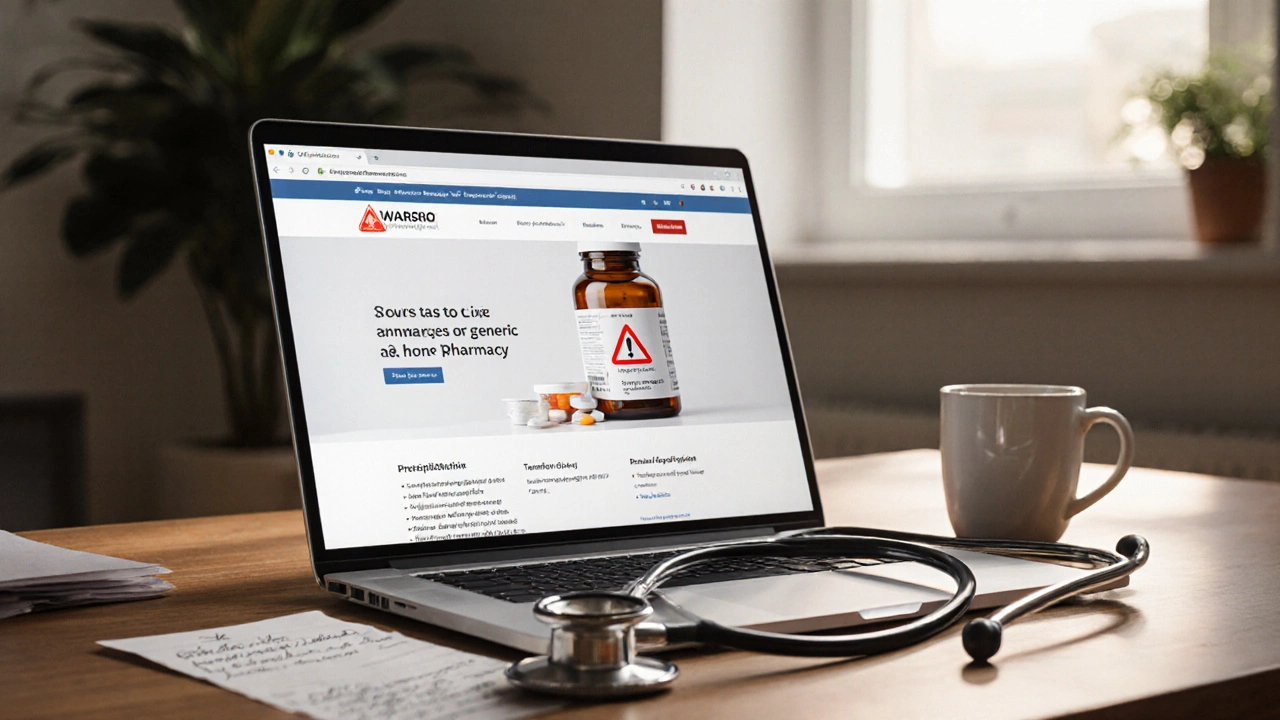
Is WISP Legit? In‑Depth Online Pharmacy Check for 2025
A thorough 2025 review of WISP online pharmacy, examining licensing, safety, customer feedback, and how it compares to verified alternatives.
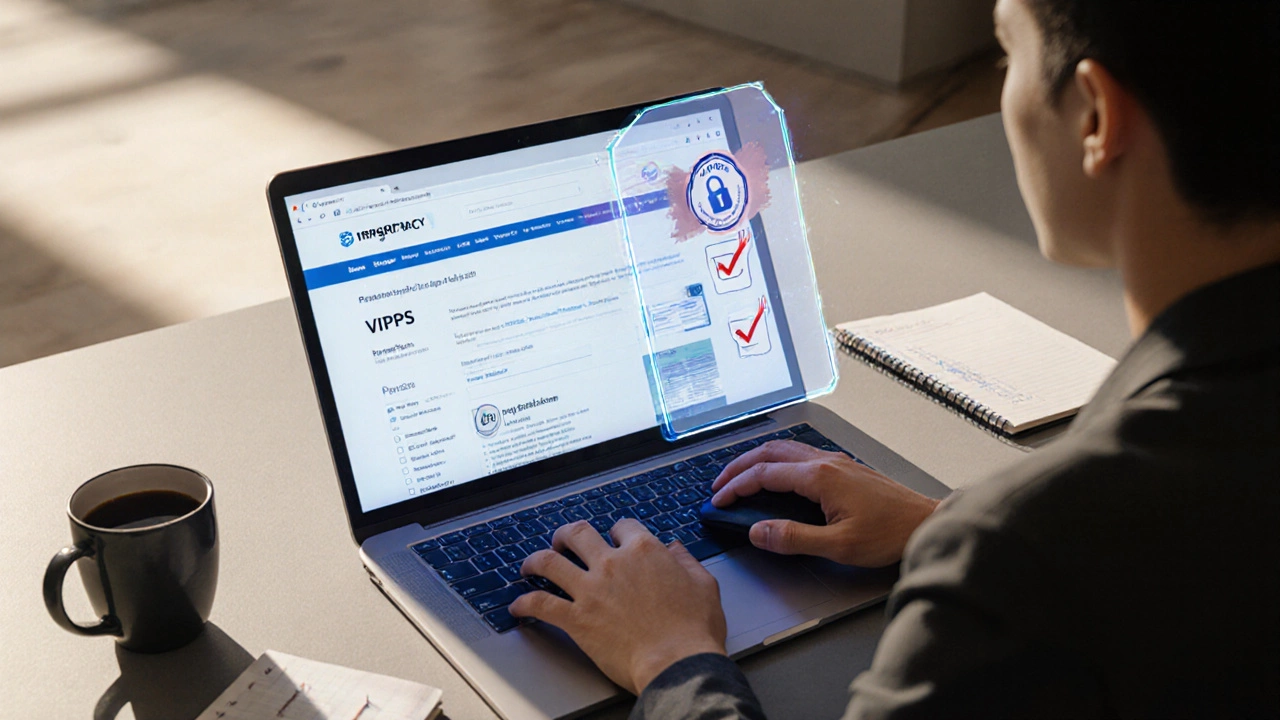
Legit Online Pharmacies: How to Spot Safe Sites in 2025
Learn how to spot legitimate online pharmacies, verify accreditation, avoid scams, and safely purchase prescription meds in 2025.