Postoperative Recovery Heart: What Really Helps After Heart Surgery
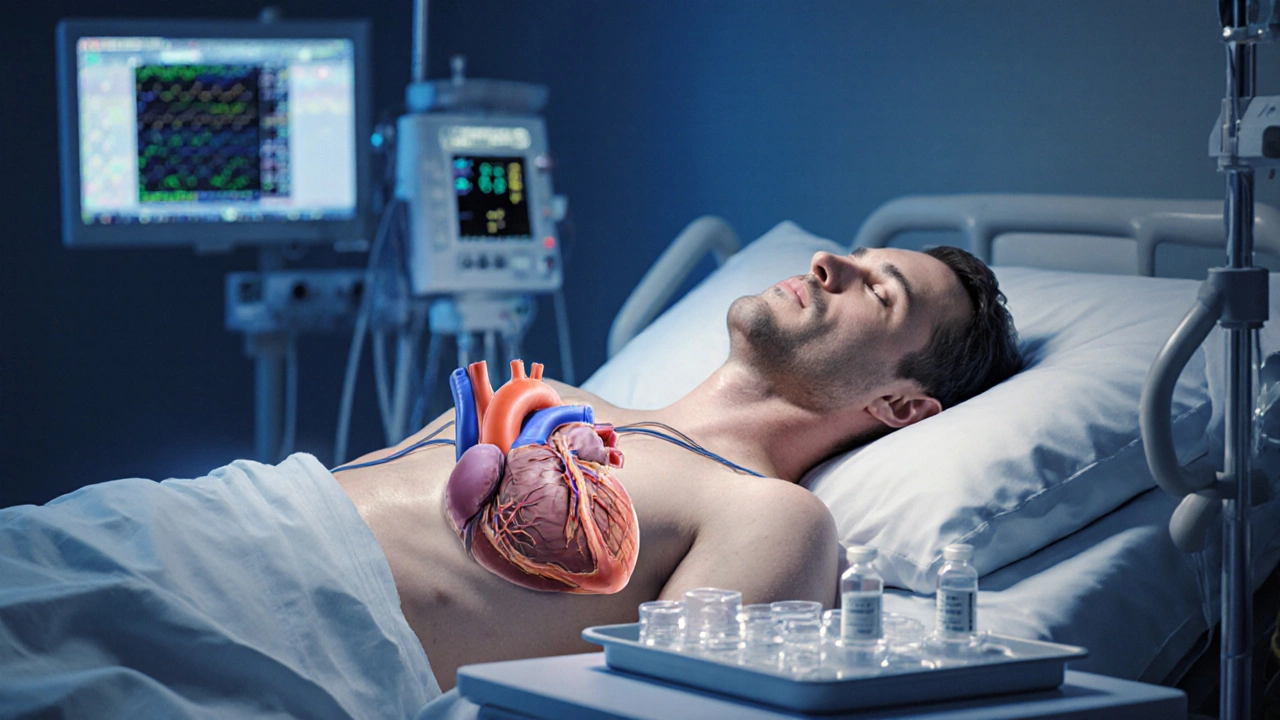
When you or someone you love goes through postoperative recovery heart, the process of healing after heart surgery, including open-heart procedures and valve repairs. Also known as cardiac recovery, it’s not just about waiting for stitches to heal—it’s about rebuilding strength, trust in your body, and daily function. This isn’t a race. It’s a careful return to normal life, and the difference between a smooth recovery and a rough one often comes down to what you do in the first 6 weeks.
Cardiac rehabilitation, a structured program of exercise, education, and emotional support after heart surgery isn’t optional—it’s the single most effective tool you have. Studies show people who stick with it cut their risk of another heart event by nearly 30%. It’s not gym-style workouts. It’s walking 10 minutes a day, then 15, then 20. It’s learning how to breathe properly when you’re tired. It’s talking to a counselor about the fear that comes after surgery. And it’s not just for the young. People in their 80s and 90s do it successfully every day.
Post-op heart care, the daily actions and habits that support healing after heart surgery starts the moment you leave the hospital. It’s knowing which pain meds to take and when. It’s watching for swelling in your legs or sudden shortness of breath. It’s eating enough protein—not to bulk up, but to repair tissue. It’s sleeping on your back with pillows under your knees so your chest doesn’t pull. It’s avoiding lifting anything heavier than a coffee cup for six weeks. These aren’t guesses. They’re science-backed rules that hospitals follow because they work.
What recovery after open-heart surgery really looks like
You won’t feel like yourself for months. That’s normal. Some people think they’ll be back to gardening or playing with grandkids by week four. Reality? Many still struggle with fatigue, brain fog, and mood swings at three months. That’s not failure—it’s biology. Your body spent weeks in stress mode. Healing takes time. The key isn’t pushing harder. It’s being consistent. Walk every day. Eat real food. Talk to someone when you feel down. Sleep like your life depends on it—because it does.
There’s no magic pill, no secret herb, no miracle supplement that speeds up heart recovery. What works is the boring stuff: movement, nutrition, rest, and emotional support. And yes, that includes using tools like toilet seat risers or grab bars in the bathroom—small things that prevent falls and reduce strain. You don’t need to be perfect. You just need to show up.
Below, you’ll find real stories and practical guides from people who’ve been through this. No theory. No marketing. Just what helps: how to manage pain without opioids, why sleep matters more than diet after surgery, what blood tests your doctor should check at your follow-up, and how to know when it’s time to ask for help. This isn’t about being strong. It’s about being smart.
Longest Healing Heart Surgery: Which Procedure Takes the Most Recovery Time?
Discover which heart surgery needs the longest recovery, why it takes so long, and practical tips to speed up healing after major cardiac operations.