Radiation: What It Is, How It Affects Health, and What You Need to Know
When we talk about radiation, energy that travels through space as waves or particles, often from unstable atoms. Also known as ionizing radiation, it's not just nuclear plants or X-ray machines—it's in the air we breathe, the food we eat, and the medical treatments that save lives. Many people hear the word and think of disasters or cancer risks, but radiation is also a tool. Doctors use it daily to diagnose broken bones, spot tumors, and even destroy cancer cells. The difference isn’t whether radiation is present—it’s how much, how often, and how it’s controlled.
There’s a big gap between radiation therapy, a targeted cancer treatment that uses high-energy beams to kill malignant cells and accidental radiation exposure, unintended contact with radioactive sources, like from faulty equipment or environmental contamination. One is precise, planned, and monitored. The other is uncontrolled and risky. But even in therapy, side effects happen—fatigue, skin irritation, long-term tissue changes. That’s why doctors weigh benefits against risks, especially for older patients or those with other health conditions. You won’t find radiation in Ayurvedic texts, but modern Indian hospitals use it daily, just like European clinics. The fusion here isn’t just about herbs and pills—it’s about blending ancient wisdom with precise, science-backed tools like radiation.
Not all radiation is the same. Some types, like the low-dose kind from a chest X-ray, vanish from your body in seconds. Others, like those used in brachytherapy for prostate cancer, are placed inside the body for days. Then there’s background radiation—from rocks, soil, even bananas. It’s everywhere. What matters isn’t avoiding it completely—that’s impossible—but understanding when it’s necessary and when it’s not. If you’ve had multiple CT scans, or if you’re considering radiation therapy for a chronic condition, you’re not alone. People in their 70s and 80s get radiation treatments every day, often with better outcomes than surgery. And yes, it can affect fertility, thyroid function, or increase cancer risk long-term—but only if misused.
What you’ll find in these posts isn’t a fear-driven list of dangers. It’s a clear-eyed look at how radiation shows up in real medical decisions: who gets it, why it’s chosen over drugs or surgery, how recovery works, and what questions to ask your doctor. You’ll see how it ties into heart surgery recovery, cancer care, and even how blood tests help track its impact. This isn’t theory. It’s what happens in clinics from Delhi to Dublin, where Indian medical traditions meet European standards—and radiation is one of the tools that bridges them.
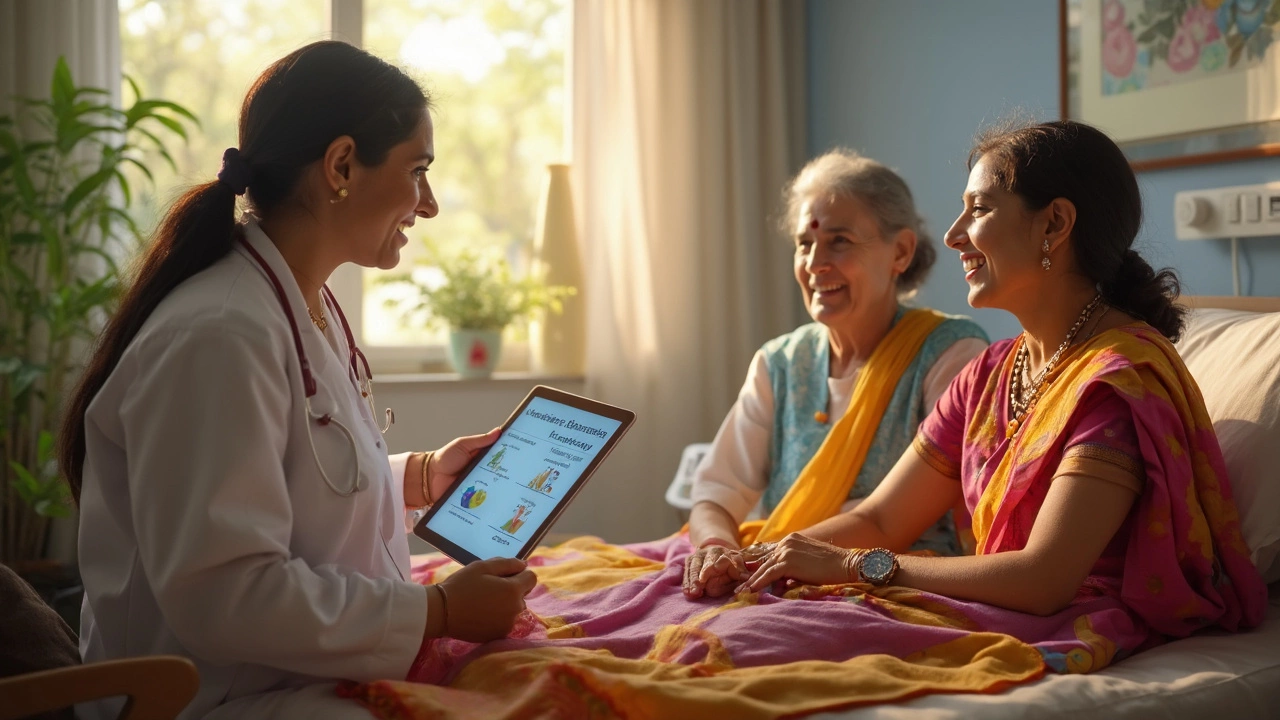
Cancer Treatment: What's the Main Way Doctors Fight Cancer?
Wondering how cancer is treated these days? This article covers the main options doctors use to fight cancer, including how they work and what you can expect. Learn about chemotherapy, surgery, radiation, and newer treatments like immunotherapy. Get practical tips on questions to ask and what side effects might pop up. If you or someone you know is facing cancer, this article breaks it all down in simple terms.
What Kills Cancer Cells in the Body? Straight Talk on the Science
Curious about what actually kills cancer cells in your body? This article breaks down how the immune system, modern treatments like chemotherapy and targeted therapy, and even lifestyle tweaks play a role in fighting cancer. You'll get facts, myths busted, and practical tips—minus the confusing medical jargon. Whether you're a patient, caregiver, or just interested, the plain answers are here. Get the know-how on how science is fighting cancer every single day.