Rehabilitation: What It Really Takes to Recover After Injury or Surgery
When you hear the word rehabilitation, a structured process to restore function, strength, and independence after illness, injury, or surgery. Also known as rehab, it's not just going to physical therapy once a week—it's a daily commitment to rebuilding your body and confidence. Too many people think rehab ends when the stitches come out. But recovery doesn’t stop at the hospital door. Real rehabilitation begins when you’re home, struggling to stand up, climb stairs, or even sit on the toilet without pain.
That’s why physical therapy, a hands-on approach to restoring movement and reducing pain through exercise, manual therapy, and education is so critical. Whether you’ve had a knee replacement, heart surgery, or are recovering from cancer treatment, physical therapy isn’t optional—it’s the bridge between survival and living again. And it’s not just about muscles and joints. cardiac rehabilitation, a monitored program combining exercise, nutrition, and emotional support for heart patients proves that healing the body means healing the mind too. Studies show people who stick with cardiac rehab cut their risk of another heart event by nearly 30%. That’s not magic. That’s science.
What’s interesting is how rehabilitation is changing. In Europe, rehab often starts the day after surgery—early movement, breathing exercises, even walking in the hallway. In India, Ayurvedic practices like gentle massage with herbal oils, yoga for joint mobility, and breathing techniques are being woven into hospital recovery plans. You don’t have to choose between modern medicine and ancient wisdom. The best rehab blends both: the precision of physical therapy with the holistic rhythm of Ayurveda.
Recovery isn’t one-size-fits-all. A 90-year-old recovering from open-heart surgery needs a different plan than a 55-year-old woman rebuilding strength after menopause. And it’s not just about calories or exercise—it’s about sleep, stress, and how you move through your day. Even simple things like how you sit on the toilet after knee surgery matter. That’s why the posts here don’t just talk about rehab in theory. They show you what actually works: the real steps, the hidden mistakes, the tools that make a difference.
You’ll find guides on how to speed up healing after major surgery, what blood tests tell you about your recovery, and how to avoid the trap of thinking pills are the answer. There’s advice for older adults, for heart patients, for people managing chronic pain. And yes—there’s even a post on toilet sitting after knee replacement. Because if you can’t sit down safely, nothing else matters.
This isn’t about following a rigid program. It’s about understanding your body, knowing what to expect, and learning how to move forward without fear. Whether you’re helping a loved one or recovering yourself, the right rehab doesn’t just fix your body—it gives you your life back.
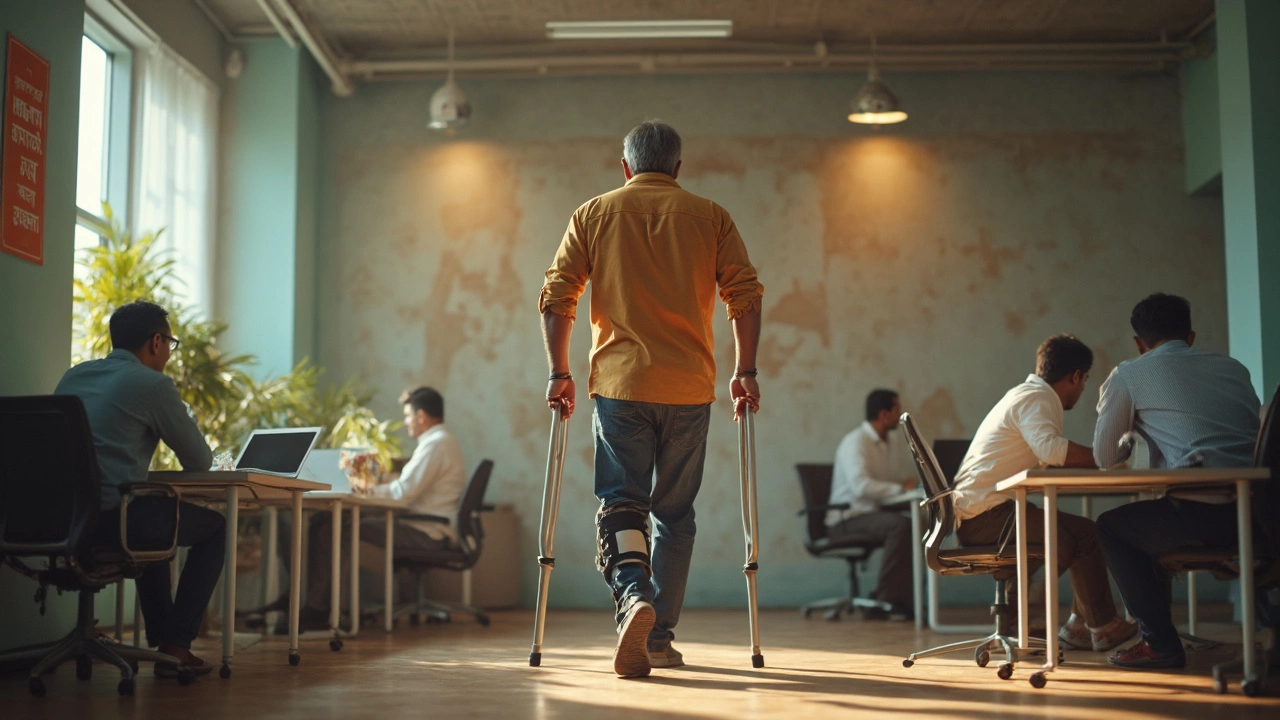
How Long After Knee Replacement Can I Work: Real Recovery Timelines
Wondering when you can get back to work after knee replacement? This article breaks down real recovery timelines, what impacts your return, and tips for a smoother comeback. Get the facts on different job types, how complications can slow you down, and what you can actually expect in those first few months. Forget sugarcoating—here’s what the process really looks like. We’ll also share pointers to help you bounce back safely.