Riskiest Surgery: What Makes a Procedure Dangerous and Who’s at Risk
When we talk about the riskiest surgery, a medical procedure with the highest potential for life-threatening complications, we’re not just talking about complexity. We’re talking about how the body responds under extreme stress, how recovery unfolds over months, and how a patient’s overall health can make the difference between survival and tragedy. It’s not always the most flashy operation—it’s the one that forces your body to rebuild itself from the inside out, often while fighting off infection, rejection, or organ failure.
The heart transplant, a procedure where a failing heart is replaced with a donor organ is consistently ranked as one of the most dangerous. Why? Because it’s not just about cutting and sewing. You’re now living with a foreign organ that your immune system wants to destroy. Lifelong drugs, constant monitoring, and the silent threat of rejection mean recovery never really ends. Even more, the open-heart surgery, a major operation involving direct access to the heart through the chest—even when not a transplant—is physically brutal. It’s not just the incision. It’s the weeks of fatigue, the emotional toll, the risk of stroke or kidney damage, and the fact that your body doesn’t bounce back like it used to.
Age doesn’t automatically disqualify someone from these procedures. We’ve seen people in their 90s survive open-heart surgery because they were strong, active, and had no other major illnesses. But a 65-year-old with diabetes, obesity, and lung disease? That’s a different story. The real risk isn’t the scalpel—it’s the hidden health problems that don’t show up on a scan. That’s why doctors look at your whole life: your mobility, your diet, your sleep, your mental health. A surgical risk, the likelihood of serious complications during or after an operation is never just about the surgery itself. It’s about whether your body can handle the shock.
What you’ll find in the posts below aren’t just lists of dangerous operations. They’re real stories—people who survived the riskiest surgeries, others who learned too late what to watch for, and the quiet truths about recovery that no brochure ever mentions. You’ll see how heart transplant patients live with uncertainty every day, how seniors are beating the odds with modern care, and why some procedures demand more than medical skill—they demand resilience.
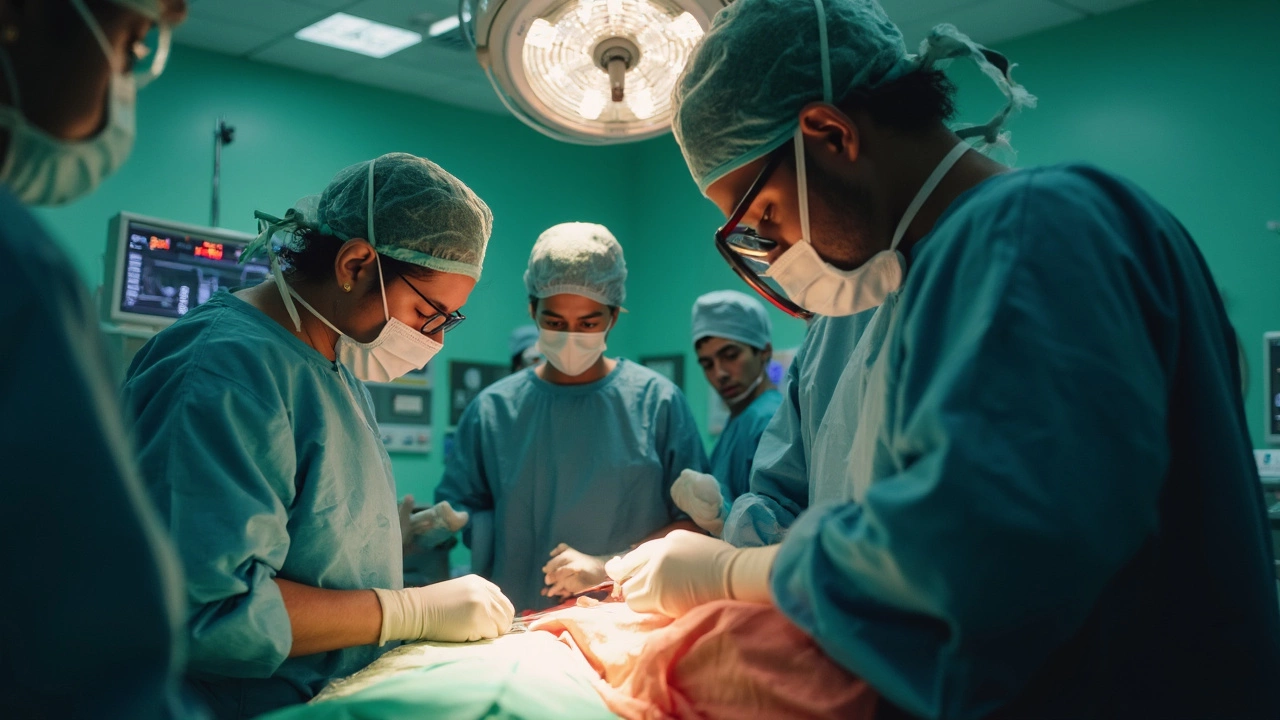
Riskiest Surgery Ever: Understanding Deadliest Medical Procedures
Learn which surgeries top the list for risk, why they're so dangerous, and how doctors and patients manage extreme danger in medicine.