Semaglutide Cost: What You Really Pay for Weight Loss and Diabetes Treatment
When you hear semaglutide, a prescription medication used for weight loss and type 2 diabetes that works by mimicking a natural hormone to reduce appetite and slow digestion. Also known as Wegovy for weight loss and Ozempic for diabetes, it’s one of the most talked-about drugs in modern medicine. But if you’ve looked up the price, you know it’s not cheap. A single month of treatment can run between $1,300 and $1,600 in places like Australia, and even more in the U.S. without insurance. That’s not a typo. This isn’t a vitamin or herbal supplement—it’s a medically prescribed injectable drug with real science behind it, and the cost reflects that.
Why does it cost so much? Part of it is the research and development. Semaglutide didn’t come from a lab in a developing country—it was engineered over years by big pharmaceutical companies. But another big reason is demand. With rising obesity rates and growing awareness of metabolic health, more people are asking for it. And because it’s still under patent protection, there are no generic versions yet. You can’t just walk into a pharmacy and buy it off the shelf. You need a doctor’s prescription, and even then, insurance might say no. Semaglutide cost isn’t just about the pill or the pen—it’s about access, approval, and whether your plan covers it. Some insurers require you to try cheaper drugs first, prove you’ve tried diet and exercise, or even show a BMI over 30 before they’ll pay. That’s not just bureaucracy; it’s a barrier.
People often compare semaglutide to metformin, another diabetes drug that’s been around for decades and costs pennies. But they’re not the same. Metformin helps with blood sugar and might help you lose a few pounds. Semaglutide can help you lose 15% or more of your body weight—something metformin rarely does. It’s not just another pill. It’s a tool that changes how your body handles hunger and energy. And that’s why it’s being used for more than just diabetes. People are using it for PCOS, fatty liver, and even long-term weight maintenance after bariatric surgery. But with that power comes responsibility—and cost. If you’re considering it, know that the price isn’t just about the drug. It’s about the doctor visits, the blood tests, the follow-ups, and the lifestyle changes that come with it.
There are alternatives. Some people switch to tirzepatide, another GLP-1 agonist that’s even more effective but even pricier. Others look into online pharmacies or international suppliers, but those come with risks. The FDA and TGA don’t regulate them the same way. Fake pens, expired doses, and contaminated batches are real dangers. And if you’re using it for weight loss, you’re not just spending money—you’re investing in your health. That’s why people who’ve tried it often say the cost is worth it… if they can get it. The real question isn’t just how much it costs. It’s whether you can get it safely, legally, and with the support you need to make it work.
Below, you’ll find real-world stories and data from people who’ve faced the semaglutide cost head-on—what they paid, how they got coverage, and whether it changed their health for good.
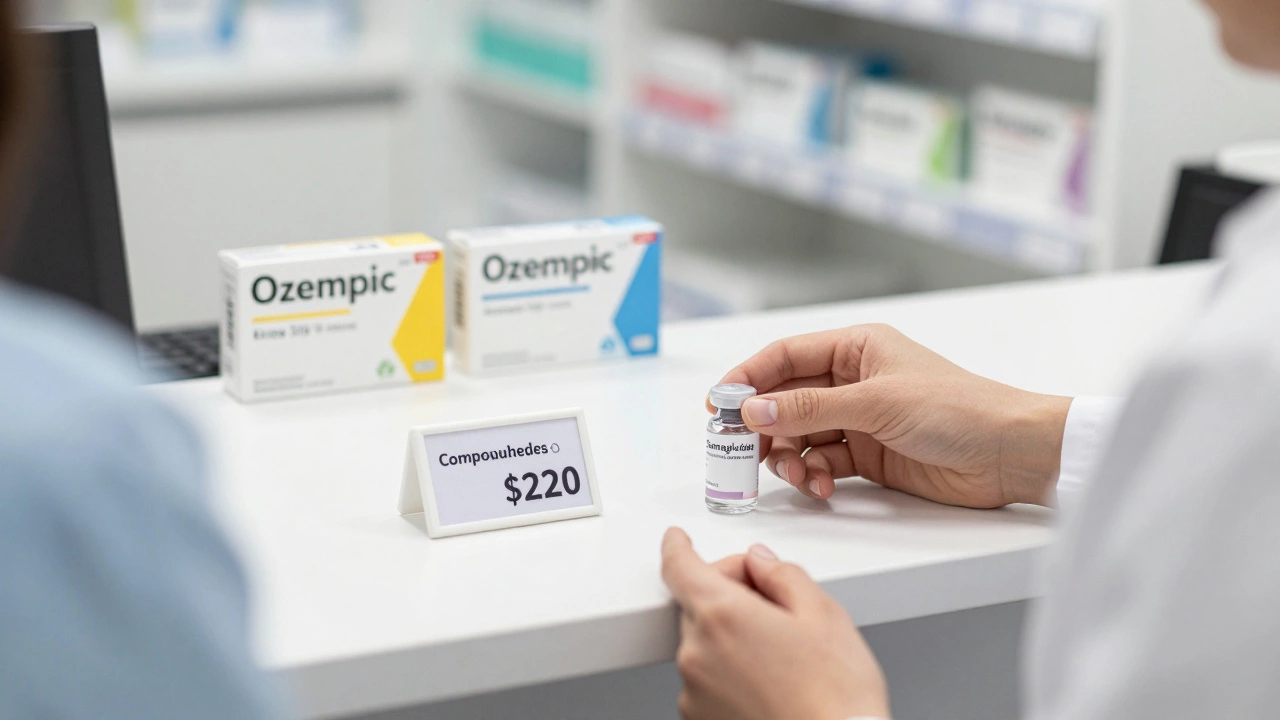
What is the cheapest way to get semaglutide?
The cheapest way to get semaglutide in Australia is through TGA-compliant compounding pharmacies, which offer the same active ingredient at 75% less cost than brand-name versions. Avoid overseas online pharmacies due to safety risks.
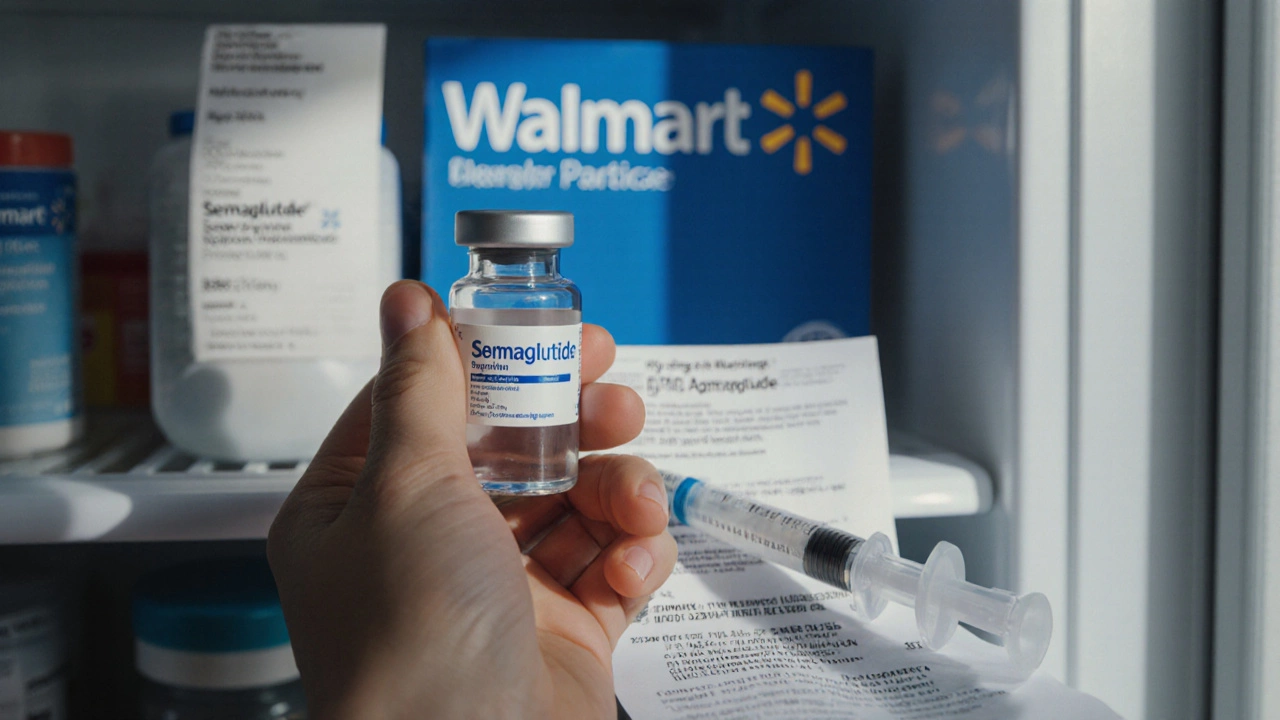
How Much Does Semaglutide Cost at Walmart?
Walmart offers a generic version of semaglutide at around $90 per 4-week supply-much cheaper than brand-name Ozempic or Wegovy. Learn how it works, how to get it, and whether it's right for you.