Surgery Risks: What You Need to Know Before Going Under the Knife
When you hear surgery risks, the potential dangers and unexpected outcomes that can happen during or after a medical operation. Also known as surgical complications, these aren’t just scary words on a consent form—they’re real, measurable, and often preventable with the right preparation. Whether it’s a heart procedure, a knee replacement, or a bone repair, every operation carries some level of risk. But not all risks are the same. Some are common, like infection or bleeding. Others, like organ failure or long-term rejection after a transplant, are rare but serious. What matters isn’t just the type of surgery—it’s your health, your age, and how well your body can handle the stress.
Take open-heart surgery, a major procedure to repair or replace heart valves, clear blocked arteries, or fix congenital defects. Also known as cardiac surgery, it’s no longer just for younger patients. People in their 80s and 90s routinely undergo it with strong success rates—if they’re otherwise healthy. But recovery isn’t just about healing the chest. It’s about managing pain, avoiding blood clots, and rebuilding strength over weeks or months. That’s why recovery from surgery, the process of regaining function, mobility, and health after an operation. Also known as post-op healing, it’s just as important as the surgery itself. A heart transplant doesn’t just require months of rehab—it changes how you think about your body forever. Same goes for knee replacements, where simple things like sitting on the toilet become challenges you need to plan for.
Not all surgery risks come from the blade. Some come from what happens after. Medication errors, delayed diagnosis of infection, or poor pain control can turn a successful operation into a long struggle. That’s why knowing your options matters. Is the surgery truly necessary? Are there safer alternatives? Can you improve your health before going in—by losing weight, quitting smoking, or managing diabetes? These aren’t side notes. They’re critical decisions that shape your outcome.
And it’s not just about the body. Mental health, financial stress, and access to support systems play a huge role. People who feel scared, isolated, or overwhelmed before surgery often have harder recoveries. That’s why understanding your risks isn’t just medical—it’s personal. You’re not just signing a form. You’re preparing for a life change.
Below, you’ll find real stories and facts from people who’ve been through it: the oldest patients surviving open-heart surgery, the hidden pain of bone operations, the long road after a transplant, and how to spot trouble before it gets worse. No fluff. No hype. Just what you need to know before you say yes.

Number One Rule of Surgery: Why Patient Safety Comes First
Explore the number one rule of surgery, why patient safety is essential, and how strict surgical protocols save lives. Get real-life examples and tips for safer surgery.
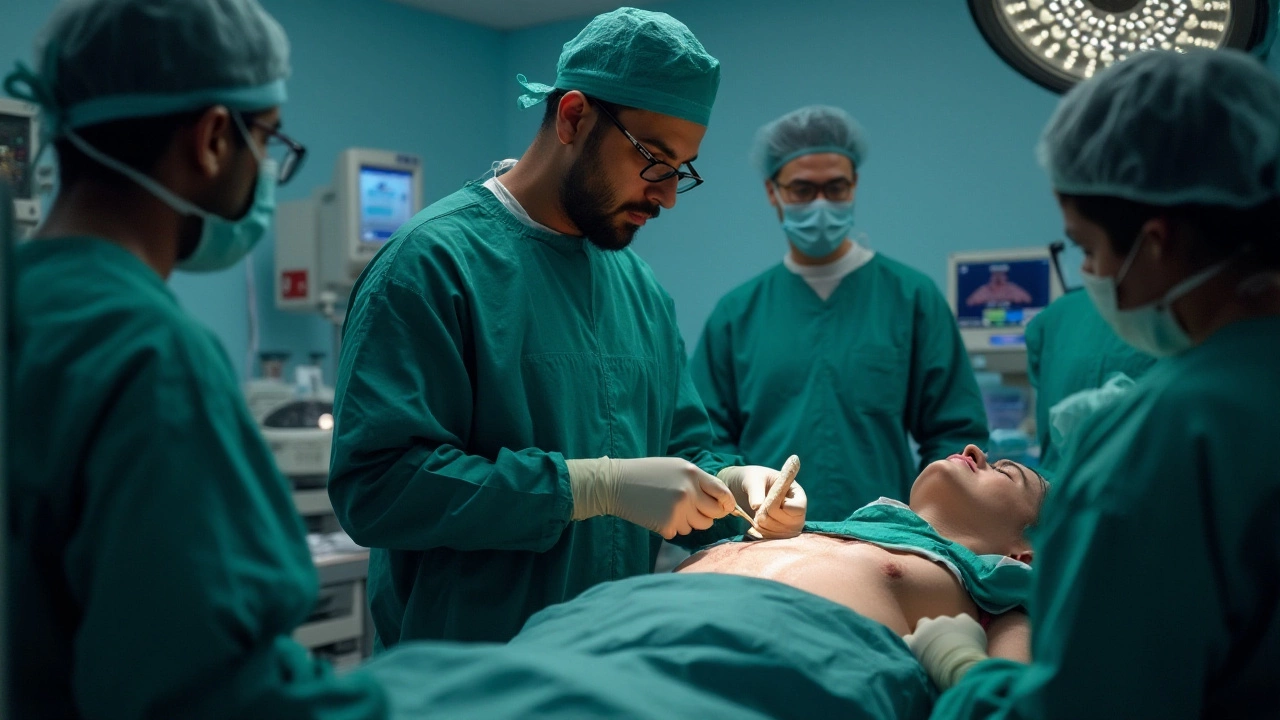
Understanding the Seriousness of Open-Heart Surgery
Open-heart surgery is a critical and intricate procedure often required to address severe cardiac conditions. This surgery involves the surgeon opening the chest to operate on the heart, making it a highly complex intervention. The risks and challenges vary, but it remains an indispensable treatment for issues like blocked arteries or heart valves. Knowing the nuances of this surgery and the recovery process can better prepare individuals facing such life-altering decisions.