Terminal Cancer: What It Means, How It’s Managed, and What Really Helps
When someone is told they have terminal cancer, a stage of cancer that no longer responds to curative treatment and is expected to lead to death. Also known as advanced cancer, it means the focus shifts from fighting the disease to living as fully as possible with it. This isn’t about giving up—it’s about changing the goal. No more chasing remission. Instead, it’s about comfort, dignity, and moments that matter.
People with terminal cancer, a stage of cancer that no longer responds to curative treatment and is expected to lead to death. Also known as advanced cancer, it means the focus shifts from fighting the disease to living as fully as possible with it. often face physical pain, fatigue, nausea, or trouble breathing. But the biggest struggles aren’t always physical. Many feel isolated, scared, or guilty for being a burden. That’s where palliative care, specialized medical care focused on relieving symptoms and improving quality of life for people with serious illness comes in. It’s not hospice. It’s not giving up. It’s getting real help—pain control, emotional support, even help with finances or navigating insurance—while still receiving treatment if it helps.
End-of-life care, the comprehensive support provided to individuals in the final stages of a terminal illness, focusing on comfort and personal wishes looks different for everyone. Some want to stay home. Others prefer being near family in a hospital. Some refuse more drugs. Others want every option tried. There’s no right way—only what’s right for you or your loved one. That’s why talking early matters. Not just about medical choices, but about what makes life worth living when time is short. Is it hearing a favorite song? Eating a meal with someone you love? Saying goodbye without regret?
And yes, cancer support, the network of emotional, practical, and spiritual resources available to individuals and families facing cancer exists—more than most realize. From free counseling to meal delivery, transportation to appointments, even peer groups where people just get it. You don’t have to carry this alone. Many of these services are free or low-cost, but people often don’t know where to look. That’s why this collection pulls together real stories, practical advice, and proven strategies from people who’ve been there.
Below, you’ll find posts that don’t sugarcoat things. They talk about what actually helps when you’re facing the end—not just medical facts, but the quiet moments, the hard conversations, the unexpected kindnesses. You’ll find guidance on managing symptoms without overmedicating, how to talk to kids about terminal illness, what to ask your doctor when treatments stop working, and how to access support systems most people never know exist. This isn’t about hope in the sense of a cure. It’s about hope in the sense of meaning, peace, and being seen.
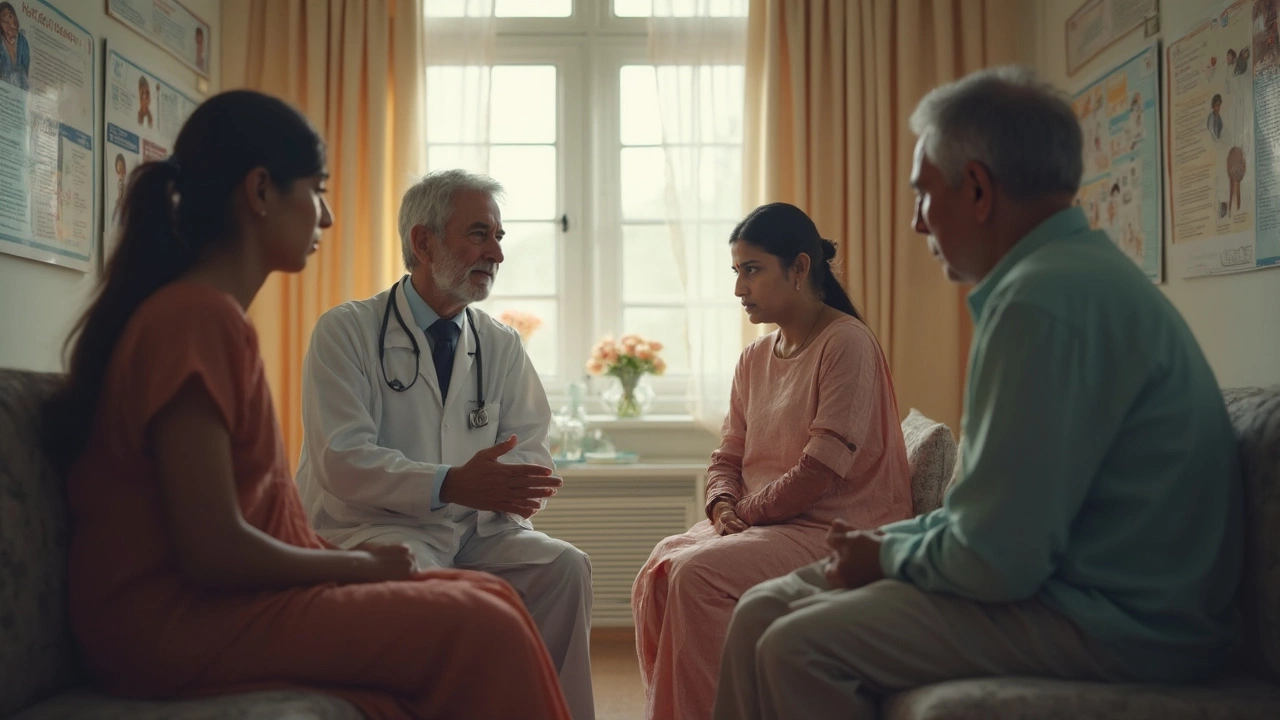
Cancer Not Curable: When Is It Too Late?
This article digs into the crucial moment when cancer becomes incurable. It explains the differences between treatable, manageable, and terminal cancer, and highlights what 'curable' means in the context of oncology. With real-life scenarios and straightforward facts, the piece guides you through late-stage symptoms, treatment choices, and quality of life questions. You'll also find honest advice for families facing tough decisions. By the end, you'll understand what doctors really mean when they say a cancer is no longer curable.