Therapist Hand Observation: What It Reveals About Health and Healing
When a therapist watches your hands—or gently places their own on your wrist—they’re not just being polite. Therapist hand observation, a practice rooted in centuries of physical assessment across cultures. Also known as manual diagnostic evaluation, it’s how skilled practitioners detect tension, imbalance, and hidden illness without a single machine. In Indian medicine, this goes back to Ayurveda pulse reading, the art of interpreting the subtle rhythm of the radial artery to assess dosha imbalances. In Europe, it evolved into physical therapy assessments and osteopathic palpation. Both agree: your hands tell stories your words can’t.
It’s not magic. It’s pattern recognition. A cold, clammy hand might signal poor circulation or stress. A swollen knuckle could point to inflammation you haven’t noticed. A rigid wrist? That’s often linked to chronic pain or emotional holding. Physical assessment, the systematic use of touch and observation to gather health data is the bridge between ancient intuition and modern evidence. You’ll find this in posts about recovery from knee surgery, where therapists watch how you shift weight to protect your joint. Or in discussions about diabetes and metabolism, where hand temperature and skin texture help spot nerve damage early. Even in mental health, therapists notice how a patient’s fingers fidget or grip the chair—clues to anxiety or depression.
This isn’t about replacing blood tests or scans. It’s about adding depth. A doctor might see high HbA1c on a lab report. A therapist sees dry, cracked skin on the fingers, slow capillary refill, and a weak grip—signs your body is struggling to heal. In heart surgery recovery, hand swelling can signal fluid retention before the scale shows a pound gain. In cancer care, trembling hands might reveal fatigue or medication side effects long before the patient says they’re worn out.
The best therapists don’t guess. They observe, compare, and track. They notice if your thumb feels colder than your pinky. If your pulse skips when you talk about stress. If your fingers curl inward when you’re in pain. These aren’t random details. They’re data points. And they’re why so many posts here focus on recovery, pain, and holistic care—because real healing starts with paying attention to the body’s quiet signals.
Below, you’ll find real stories from people who’ve been through open-heart surgery, weight loss journeys, and chronic illness. Each one involves a therapist who looked beyond the symptoms—and saw what your hands were trying to say.
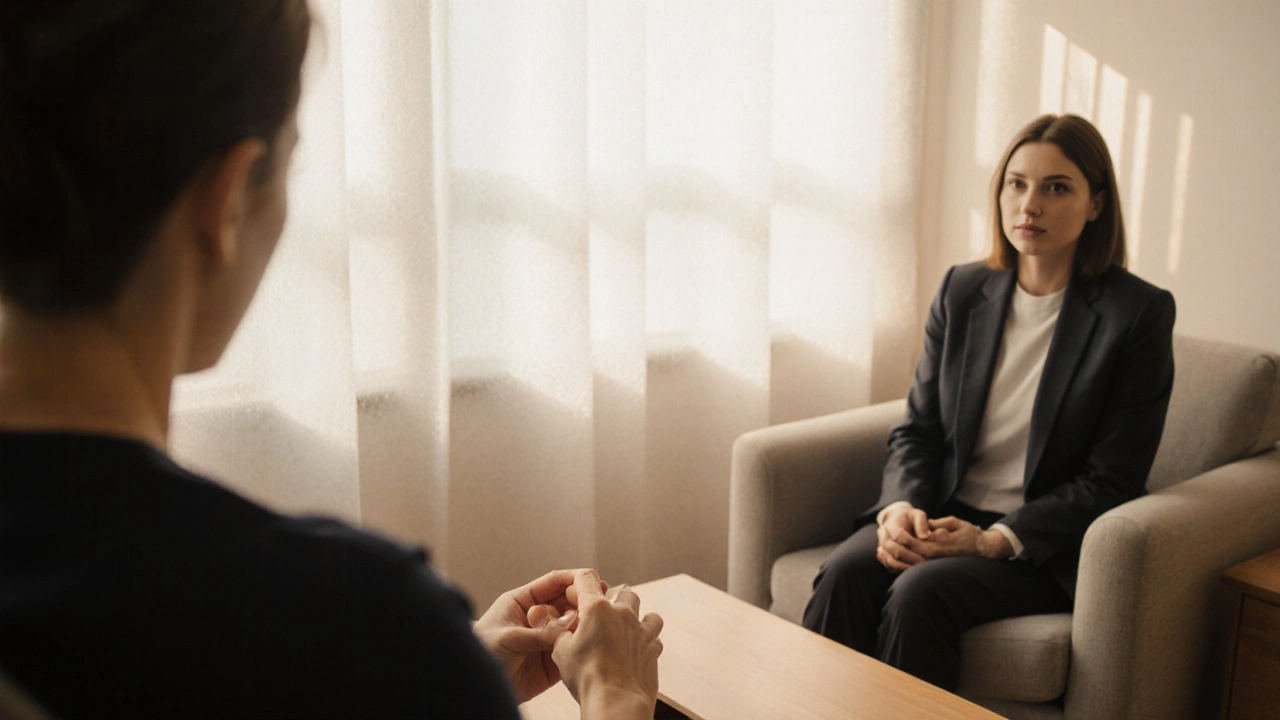
Therapist Watching Your Hands: What It Means in Therapy
Discover why therapists focus on your hands, how hand cues reveal emotions, and practical tips to use this insight for better therapy outcomes.