Toothless Period: What It Means for Health, Aging, and Recovery
When we talk about the toothless period, the phase in life when natural teeth are lost and not yet replaced with dentures or implants. Also known as edentulism, it's not just a dental issue—it's a turning point in how your body handles food, speech, and even how you move through the world. Many people think losing teeth is just part of getting older, but it’s often a symptom of something bigger: chronic inflammation, poor nutrition, or long-term neglect of oral health. This isn’t a minor inconvenience. It affects your ability to eat protein-rich foods, which means muscle loss speeds up. It changes how you speak, which can make you withdraw from conversations. And studies show people in the toothless period are more likely to develop metabolic issues, including insulin resistance and weight gain.
The toothless period, the phase in life when natural teeth are lost and not yet replaced with dentures or implants. Also known as edentulism, it's not just a dental issue—it's a turning point in how your body handles food, speech, and even how you move through the world. isn’t just about missing teeth—it’s a signal that your body’s systems are under stress. Think about it: if you can’t chew properly, you start avoiding crunchy vegetables, lean meats, and nuts. That means less fiber, less protein, and more processed carbs. Over time, that diet shifts your gut microbiome, weakens your immune response, and even affects your sleep. This connects directly to the posts you’ll find below—like how metabolism after 55 slows down, why calorie intake for women needs to change, and how heart surgery recovery can be harder if your nutrition is already compromised. Your mouth is the gateway to your whole body’s health.
And it’s not just physical. Losing teeth can change how you see yourself. People in the toothless period often avoid smiling, skip social events, or feel embarrassed. That emotional toll shows up in mental health stats too—linked to higher rates of depression and isolation. That’s why the same people struggling with weight loss after 50 or schizophrenia warning signs often have untreated dental issues. The body doesn’t work in silos. A broken tooth can be the first crack in a much larger system.
What you’ll find in the posts below isn’t a list of fixes—it’s a map. You’ll see how open-heart surgery outcomes improve when patients are well-nourished, how diabetes medicine choices affect gum health, and why annual blood tests should include markers for inflammation that start in the mouth. You’ll also find real stories from people who turned their toothless period into a catalyst for change—not by rushing to get dentures, but by rebuilding their health from the inside out. This isn’t about cosmetic fixes. It’s about understanding how one small, overlooked part of your body can hold the key to everything else.
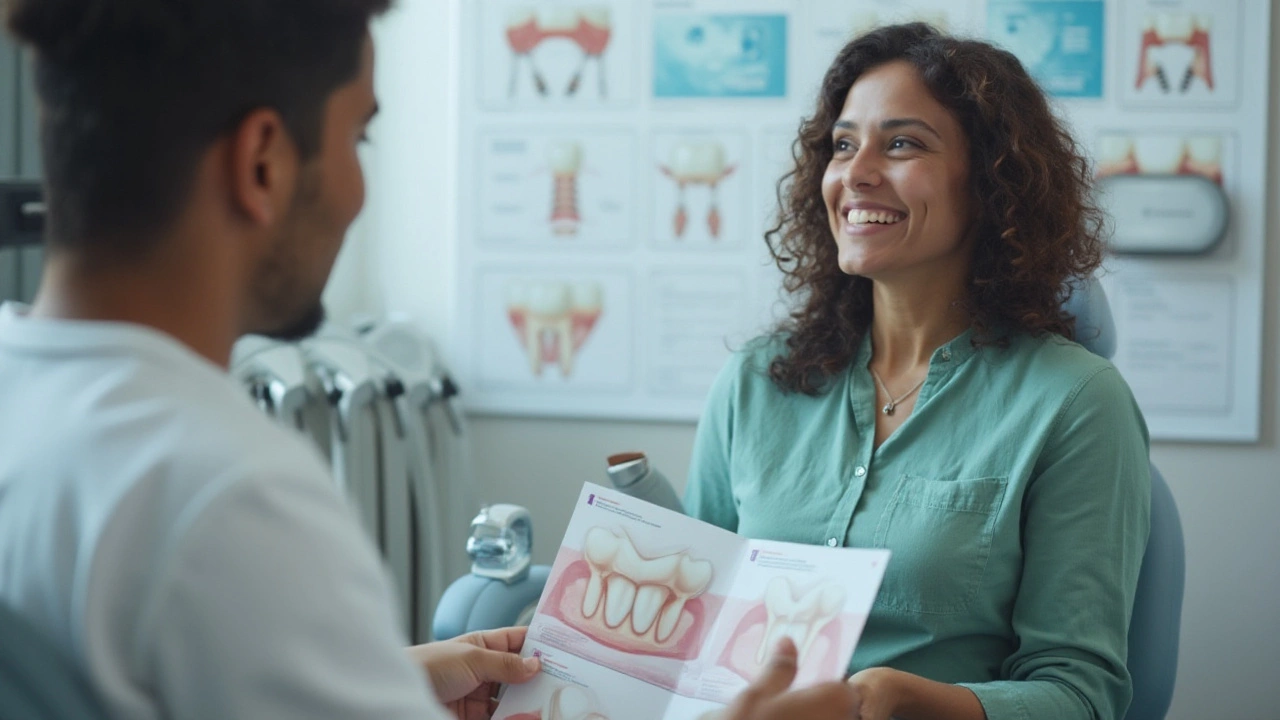
Understanding the Timeline for Dental Implants: How Long Will You Be Toothless?
Embarking on the journey to receive dental implants is a significant step in restoring your smile and oral health. This article explores the typical timeline of being toothless during the implant process and provides insights into what patients can expect. Discover the stages involved, from implant placement to final restoration, and tips on managing the transition seamlessly. Whether you're contemplating implants or currently undergoing treatment, understanding this timeline can help set realistic expectations.