Wellness Travel: How Ayurveda and Global Healthcare Blend for Real Healing
When you think of wellness travel, a purposeful journey focused on improving physical, mental, and emotional health through intentional experiences. Also known as health tourism, it’s not about luxury resorts or Instagrammable yoga poses—it’s about finding real healing where the system works better, cheaper, or more naturally than at home. People are leaving behind crowded clinics and high-cost prescriptions to seek out treatments rooted in centuries-old practices like Ayurveda, an ancient Indian system of medicine that balances body, mind, and spirit using diet, herbs, and lifestyle. This isn’t fringe stuff—it’s being integrated into European health standards and trusted by retirees, chronic illness patients, and even busy professionals looking for sustainable recovery.
What makes wellness travel, a purposeful journey focused on improving physical, mental, and emotional health through intentional experiences. Also known as health tourism, it’s not about luxury resorts or Instagrammable yoga poses—it’s about finding real healing where the system works better, cheaper, or more naturally than at home. so powerful is how it connects with medical tourism, the practice of traveling across borders to receive medical care, often for lower cost, higher quality, or faster access. You’ll find Americans flying to India for detox retreats that cost a fraction of a single month’s Wegovy dose. Seniors from Europe are choosing Thailand or Portugal for heart recovery programs that combine post-op care with Ayurvedic digestion support. And it’s not just about saving money—it’s about getting care that treats the whole person, not just a lab result. The real shift? People are no longer satisfied with symptom management. They want to know why their metabolism slowed after 55, why their liver struggles despite ‘detox’ teas, or why open-heart surgery recovery takes months—not weeks. Holistic health, an approach that considers physical, mental, emotional, and environmental factors in healing. Also known as integrative medicine, it’s the bridge between Western diagnostics and Indian healing traditions is no longer a buzzword—it’s the only way many are getting their lives back.
What you’ll find in these posts isn’t fluff or fantasy. It’s real stories: how a 60-year-old woman used Ayurvedic herbs and movement to lose weight without extreme diets, how someone got semaglutide at Walmart for $90 a month, why Mississippi became a top spot for medical tourists, and how a medication passport can save you from customs chaos abroad. These aren’t isolated tips—they’re pieces of a larger system where wellness travel isn’t a vacation, but a smart health strategy. Whether you’re managing diabetes, recovering from surgery, or just tired of feeling run down, the answers you need might be across the ocean—or just a few steps away in a traditional Indian clinic that’s now part of a global health movement.
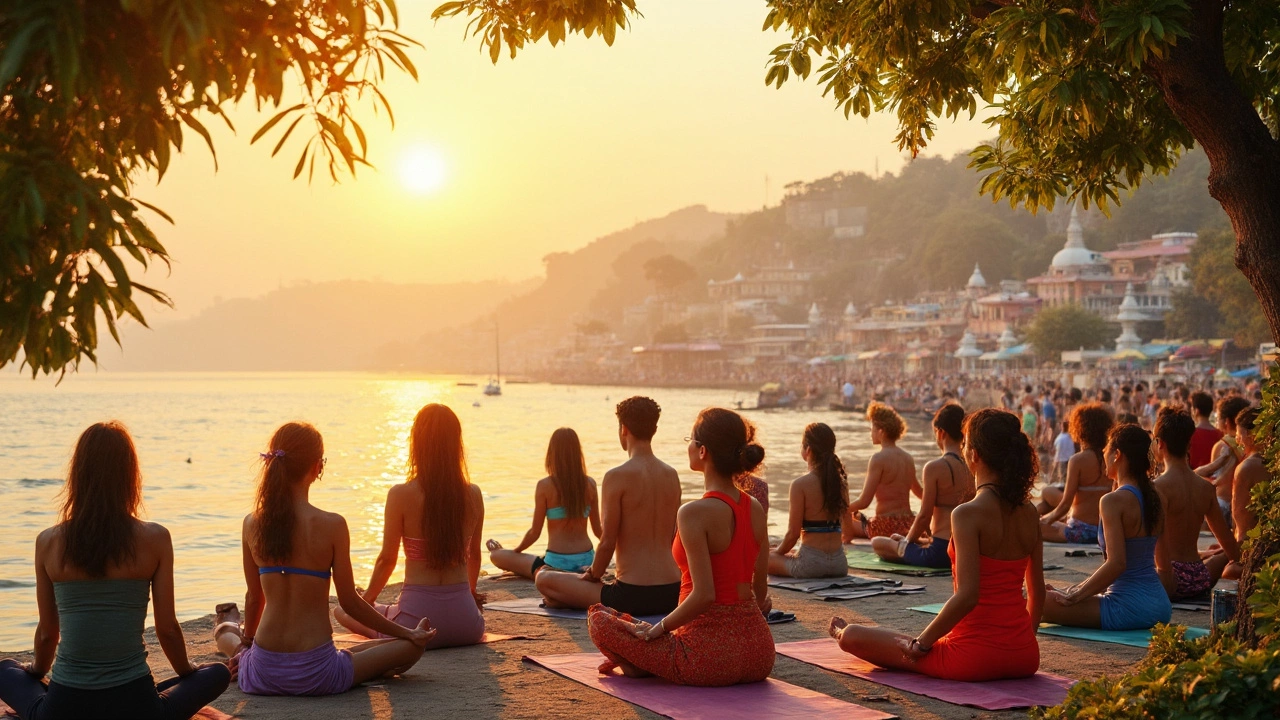
Healthiest Race: Exploring Medical Tourism Benefits
Medical tourism is rising as individuals search for both health and adventure. While some regions offer unique treatments and healthier lifestyles, their influence on overall well-being is undeniable. This article delves into how cultural practices can inspire a healthier life. Discover impactful choices worldwide that promise not only recovery but also a boost to vitality. Find out which cultural habits you might want to adopt in your quest for wellness.