
IVF Risk Comparison Calculator
This calculator compares health risks between IVF and natural conception based on current medical research. Inputs reflect factors that influence outcomes according to the latest studies.
Health Risk Comparison
Based on 2023 meta-analysis of 1.2 million births
Single embryo transfer aligns with natural conception
Baseline risk in general population
Baseline risk in general population
Key Insights
When using single embryo transfer and PGT screening (as recommended by major medical societies), IVF risks approach those of natural conception. Modern practices have significantly reduced previously associated risks.
Prematurity risks are primarily linked to multiple embryo transfers, not the IVF process itself.
Recommendations for Healthier Outcomes
- ✓ Choose single embryo transfer (now standard practice in >70% of clinics)
- ✓ Consider PGT for chromosomal screening when appropriate
- ✓ Work with clinics experienced in managing IVF pregnancies
When you hear about IVF babies, do you wonder if they’re any different from kids conceived naturally? It’s a question that comes up again and again - especially for couples considering fertility treatment. The short answer? IVF babies are just as healthy as children conceived naturally. But that doesn’t mean the path to getting there is simple or without questions. Let’s break down what the science actually says.
What Does the Research Show?
Large, long-term studies from the U.S., Europe, and Australia have tracked hundreds of thousands of children born through IVF. One major study from the Australian Institute of Health and Welfare followed over 15,000 IVF-born children into their teenage years. The results? No significant difference in overall health, growth, or cognitive development compared to children conceived naturally.
Another analysis from the New England Journal of Medicine looked at over 60,000 IVF births and found no increased risk of major birth defects when adjusting for parental age and multiple births. That’s important - because multiples (twins or triplets) are more common with IVF, and multiples carry higher risks on their own. When researchers isolated single births, the health outcomes were nearly identical to natural conception.
What About Prematurity and Low Birth Weight?
This is where things get a little more nuanced. IVF babies do have a slightly higher chance of being born early or weighing less at birth. But here’s the catch: it’s not because IVF itself causes these issues. It’s mostly because many IVF pregnancies involve older parents, underlying fertility issues, or multiple embryos being transferred.
When doctors transfer just one embryo - known as single embryo transfer - the rates of prematurity and low birth weight drop to match those of naturally conceived babies. In fact, clinics in Australia and the UK now strongly recommend single embryo transfers to reduce risks. The data is clear: better practices lead to better outcomes.
Long-Term Health: Do IVF Kids Get Sick More?
Some people worry that IVF kids might have higher rates of asthma, diabetes, or heart problems later in life. Studies have looked into this. A 2023 follow-up of over 12,000 adults born via IVF in Sweden showed no increase in chronic diseases like type 2 diabetes, high blood pressure, or asthma compared to their naturally conceived peers.
Even mental health outcomes are similar. A 2024 study from the University of Melbourne tracked emotional development in IVF children up to age 18. There was no higher rate of anxiety, depression, or behavioral issues. In fact, some studies suggest IVF children may score slightly higher on language and cognitive tests - likely because their parents tend to be more engaged, educated, and intentional about parenting.
What About Genetic Risks?
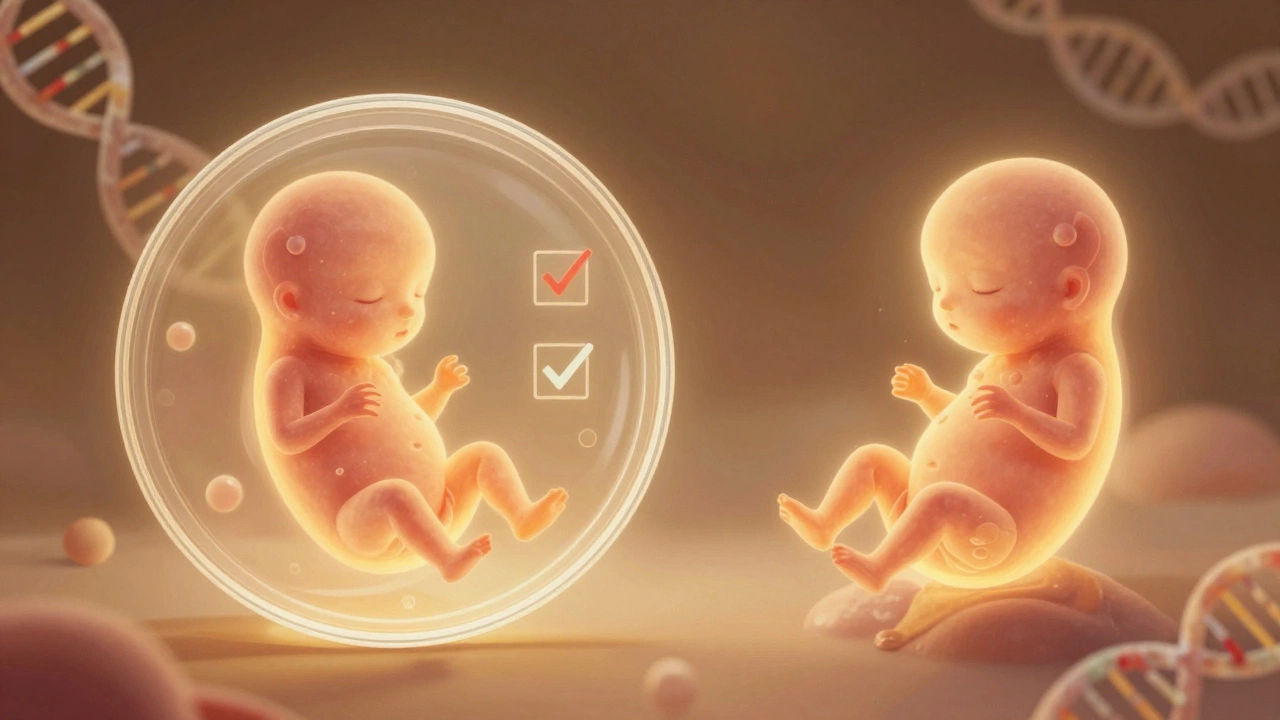
IVF often includes genetic testing - called PGT (preimplantation genetic testing). This lets doctors screen embryos for chromosomal abnormalities like Down syndrome or cystic fibrosis. That means fewer embryos with serious genetic conditions make it to pregnancy.
But what if IVF itself causes new genetic problems? The science says no. The process of fertilizing an egg outside the body doesn’t alter DNA. The genes in an IVF embryo come from the same sperm and egg that would’ve met naturally. The only exception is if the parents carry known genetic disorders - but that’s true whether they conceive naturally or with IVF. In fact, IVF can help prevent those disorders from being passed on.
Are There Any Real Risks?
Yes - but they’re not about the child’s health. The biggest risks are tied to the mother’s health and the number of embryos transferred. IVF can increase the chance of ovarian hyperstimulation syndrome (OHSS), though modern protocols have made this rare. Multiple pregnancies are still the biggest concern. Twins from IVF are more likely to have complications than singletons.
That’s why clinics now use single embryo transfer as the gold standard. In Australia, over 70% of IVF cycles now involve just one embryo. This has cut the twin rate by more than half since 2015. The result? Healthier moms, healthier babies.

What About the Emotional Side?
Parents who go through IVF often worry they’ll bond differently with their child. But research shows the opposite. IVF parents report higher levels of emotional connection and lower levels of parenting stress. Why? Because they’ve fought hard for this child. They’ve planned, waited, and invested deeply.
Studies from the University of Cambridge found that IVF mothers are more likely to talk to their babies from early pregnancy, read to them, and respond quickly to their needs. These are the same behaviors linked to better emotional development in kids.
Bottom Line: Is IVF Safe for Your Future Child?
Yes. The evidence is overwhelming. IVF babies grow up healthy, smart, and emotionally secure. Any small differences in birth outcomes are largely due to avoidable factors - like transferring multiple embryos or delaying treatment too long. With modern IVF practices, the risks are low and manageable.
If you’re considering IVF, the best thing you can do is choose a clinic that follows single embryo transfer guidelines, offers genetic screening, and supports you with counseling. Don’t let myths scare you. The children born through IVF today are thriving - and they’re not just surviving. They’re excelling.
Are IVF babies more likely to have birth defects?
No, not when single embryo transfers are used and genetic screening is offered. Early studies showed a small increase in birth defects, but that was mostly linked to multiple pregnancies and older maternal age. Modern IVF clinics now use single embryo transfers and PGT (preimplantation genetic testing), which brings the risk down to match natural conception. A 2023 meta-analysis of 1.2 million births found no significant difference in defect rates between IVF and naturally conceived babies after adjusting for these factors.
Do IVF children have developmental delays?
Not at all. Multiple large studies, including one from Australia’s Murdoch Children’s Research Institute, tracked over 10,000 IVF children from infancy to adolescence. They found no difference in motor skills, speech development, or school performance. In fact, some IVF children scored higher on language tests - likely because their parents tend to be more engaged and provide enriched environments. There’s no evidence that IVF affects brain development.
Is IVF more dangerous for older mothers?
Age affects pregnancy risks whether you conceive naturally or through IVF. Women over 35 have higher chances of miscarriage, gestational diabetes, and high blood pressure - regardless of how they got pregnant. IVF doesn’t make these risks worse. In fact, IVF allows for earlier detection of chromosomal issues through embryo screening, which can reduce the risk of conditions like Down syndrome. The key is good prenatal care and choosing a clinic experienced with older patients.
Do IVF babies have a shorter life expectancy?
There is no evidence that IVF babies live shorter lives. The first IVF baby, Louise Brown, was born in 1978 and is now healthy and living a normal life. Long-term studies tracking IVF-born individuals into their 40s and 50s show no increase in mortality or chronic illness. While IVF is still relatively new compared to natural conception, decades of follow-up data show no red flags. The assumption that IVF leads to early health problems is based on outdated information.
Can IVF cause autism or ADHD?
No. A 2022 study from the Karolinska Institute in Sweden followed over 1 million children and found no link between IVF and autism or ADHD. Any small increase in diagnosis rates was tied to parental age and fertility issues - not the IVF procedure itself. In fact, when researchers compared siblings - one conceived naturally, one through IVF - the rates were identical. IVF doesn’t cause neurodevelopmental disorders.




Write a comment