Diabetes Management: What Works, What Doesn’t, and How to Take Control
When it comes to diabetes management, the ongoing process of keeping blood sugar levels stable through medication, diet, and lifestyle to prevent complications. Also known as blood sugar control, it’s not about perfection—it’s about consistency. If you’re managing type 2 diabetes, you’ve probably heard conflicting advice: take this pill, avoid that drink, lose weight, but not too fast. The truth? There’s no one-size-fits-all plan. What works for someone else might not work for you—and that’s okay. What matters is understanding what’s actually backed by science, not hype.
The cornerstone of most diabetes management plans is metformin, a first-line oral medication that helps lower blood sugar by improving how the body uses insulin and reducing glucose production in the liver. It’s been used for decades, is affordable, and often comes with fewer side effects than newer drugs. But here’s the thing: people are scared of it. Some say it ruins your gut, others claim it’s dangerous long-term. The reality? Most side effects are mild and temporary. The real question isn’t whether metformin is safe—it’s whether it’s right for you, at this stage of your journey. And that’s where numbers like your A1C, a blood test that measures your average blood sugar over the past 2 to 3 months, used to diagnose and monitor diabetes. Also known as HbA1c, it tells your doctor how well your treatment is working. come in. If your A1C is above 7%, it’s usually time to start or adjust meds. But if it’s closer to 6.5% and you’re losing weight? You might not need more pills—you might need better food choices.
And that’s where type 2 diabetes, a chronic condition where the body becomes resistant to insulin or doesn’t make enough, leading to high blood sugar levels. Also known as non-insulin-dependent diabetes, it’s not a death sentence—it’s often reversible with the right changes. comes in. You don’t need to be a superhero to reverse it. Science shows that losing just 5–10% of your body weight can put type 2 diabetes into remission. That’s not a miracle. That’s math. And it’s doable. But it’s not just about weight. It’s about what you drink, what you eat, and how you respond to stress. Sugary sodas, fruit juices, and even "healthy" energy drinks can spike your blood sugar faster than candy. Avoiding those isn’t a restriction—it’s a shortcut to feeling better.
So what’s next? You’ll find real answers here—not guesses, not marketing fluff. We cover the meds that protect your heart and kidneys, the exact weight loss targets that actually reverse diabetes, why metformin gets a bad rap (and whether you should still take it), and the three drinks that are quietly sabotaging your progress. No jargon. No scare tactics. Just what you need to know to make smarter, calmer decisions every day.
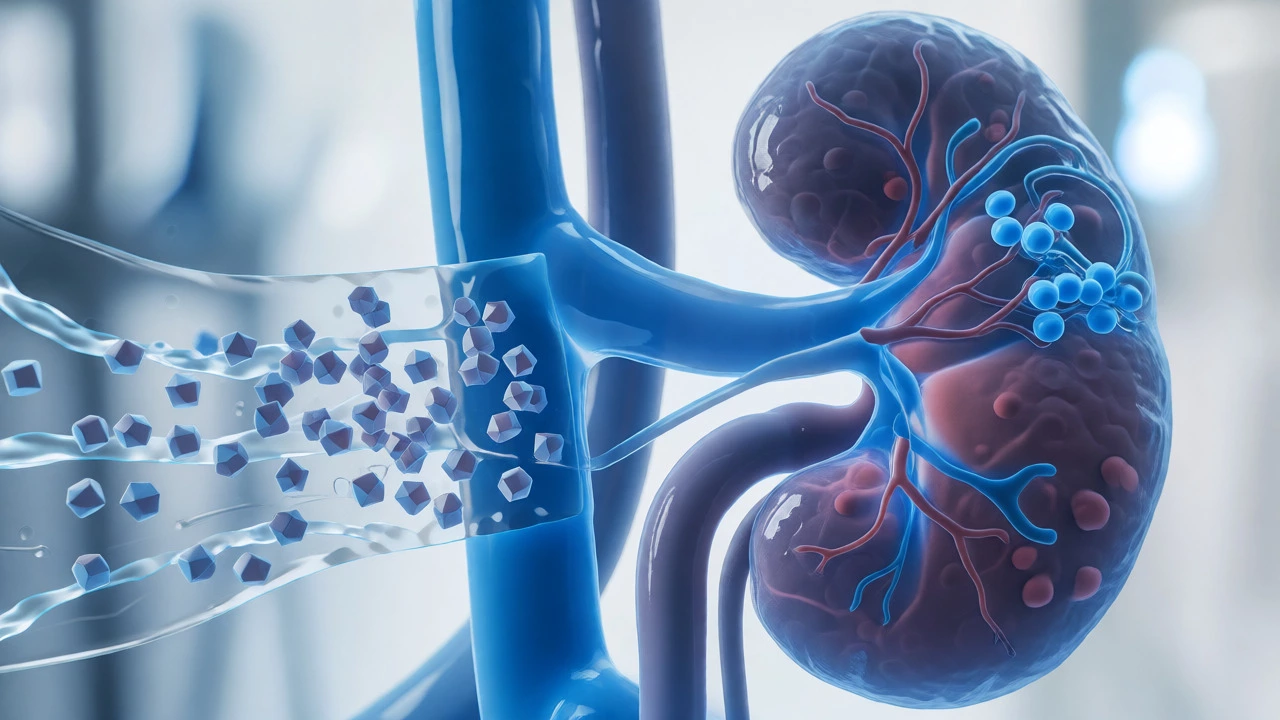
Who Cannot Take Metformin? Contraindications and Safety
Discover who should avoid metformin due to kidney, liver, or heart conditions. Learn about lactic acidosis risks, surgery precautions, and key safety guidelines.

What is the Strongest Medicine for Diabetes? A Guide to Potency and Efficacy
Discover what defines the strongest medicine for diabetes. From insulin's raw power to GLP-1s' dual benefits, learn how to choose the right treatment.
Does Metformin Cause Weight Loss? What the Science Says
Does metformin cause weight loss? Yes, but modestly. Learn how this diabetes drug affects insulin resistance, appetite, and your gut, plus realistic expectations for shedding pounds.
Best Medicine to Lower A1C: GLP-1, Metformin & SGLT2 Inhibitors Explained
Discover the best medicines to lower A1C in 2026. Compare GLP-1s, SGLT2 inhibitors, and Metformin to find the right diabetes treatment for your health goals.
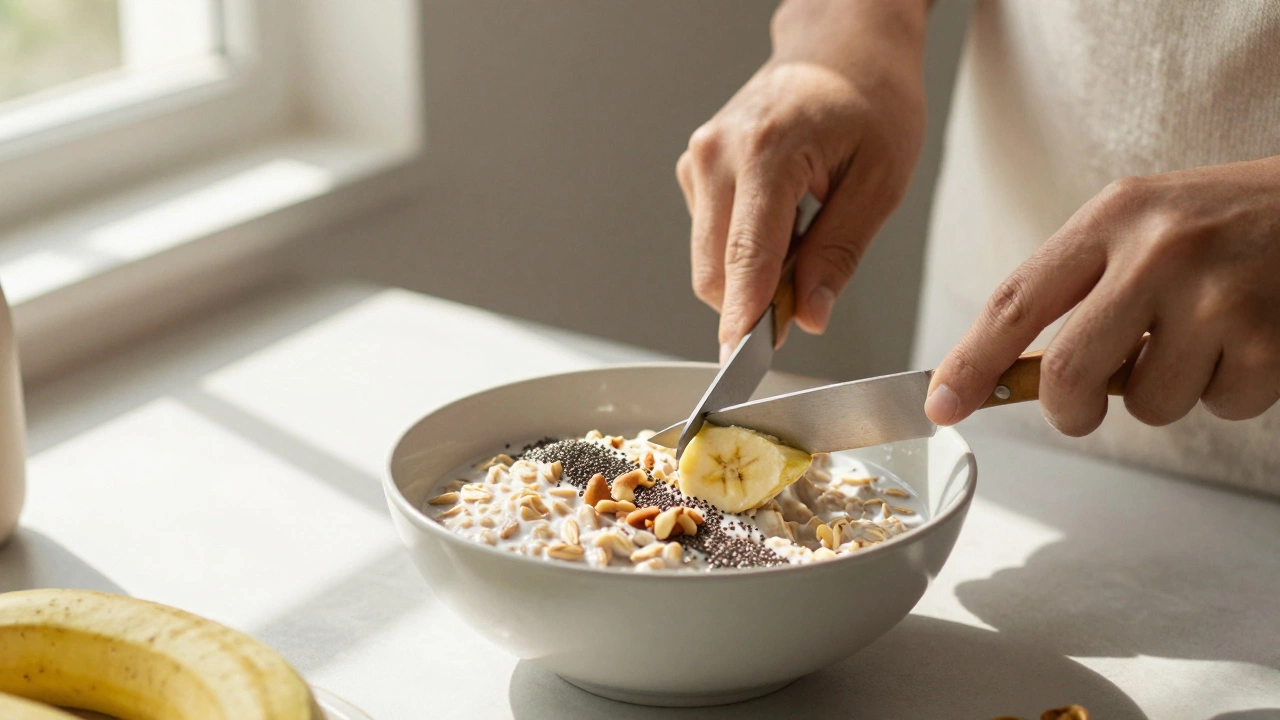
Can You Eat Bananas with Metformin? What You Need to Know
Can you eat bananas with metformin? Yes, but portion, ripeness, and what you eat them with matter more than the fruit itself. Learn how to enjoy bananas safely while managing type 2 diabetes.
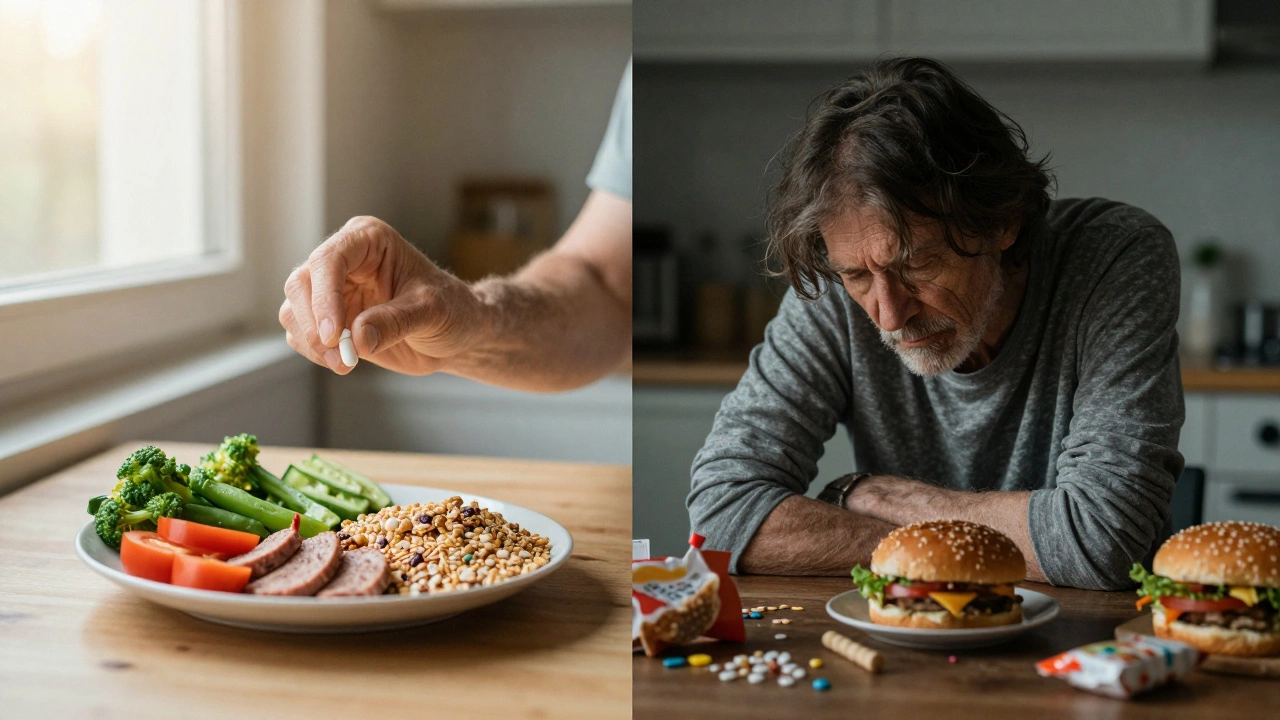
Will I Gain Weight After Stopping Metformin? What Really Happens
Stopping metformin doesn’t automatically cause weight gain-but if your habits haven’t changed, your body will start storing fat again. Learn what really happens and how to stay lean without the drug.
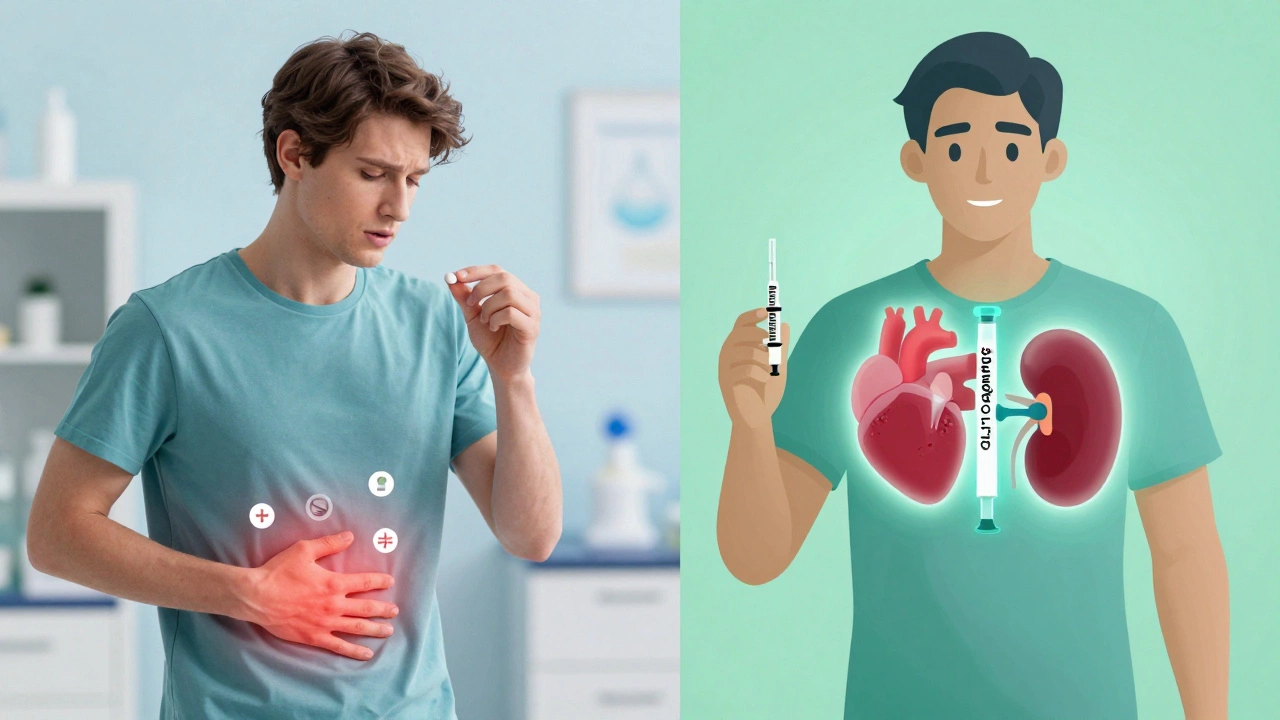
What medication is replacing metformin for type 2 diabetes?
Metformin is no longer the first-choice diabetes drug for many patients. Newer medications like GLP-1 agonists and SGLT2 inhibitors offer better heart and kidney protection, weight loss, and fewer side effects. Here’s what’s replacing it in 2025.

Why Doctors Don't Like Metformin: The Real Reasons Behind the Hesitation
Doctors aren't rejecting metformin because it's ineffective-they're moving beyond it because newer drugs offer better protection for the heart, kidneys, and weight. Here's why the diabetes treatment landscape has changed.

How to Manage Type 2 Diabetes Without Metformin
You can manage Type 2 diabetes without metformin by focusing on food, movement, sleep, and stress. Real results come from consistent habits-not quick fixes. Learn what actually works based on science and real-life success.
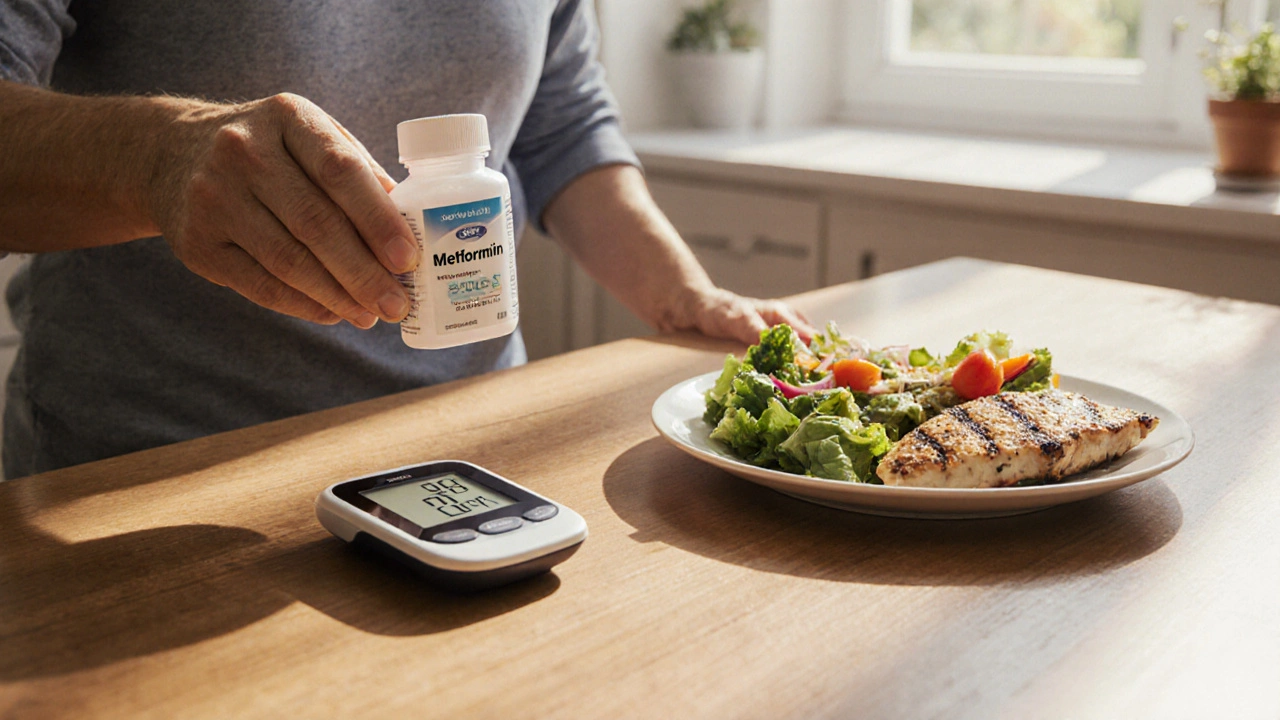
Best Medicine for Diabetes: What Works and What Doesn’t in 2025
There's no single best medicine for diabetes. The right choice depends on your health, weight, and budget. Learn which drugs actually protect your heart and kidneys-and which ones to avoid.

How Much Weight to Lose for Type 2 Diabetes Remission: Real Numbers & Surprising Science
Just dropping a few kilos could change your diabetes story. Find out the exact weight you need to lose to reverse type 2 diabetes, what science really says, and practical tips.

At What A1C Should You Start Metformin? Straight Answers and Real Tips
Wondering when it's time to start metformin for your blood sugar? This article cuts through the jargon and tells you exactly what A1C number doctors look at before reaching for metformin. We'll get into the basics of A1C, how metformin works, what doctors actually do in real life, and practical tips for tracking your numbers and making sense of all this. Real talk, no scare tactics or sugarcoating.