Metformin Safety Checker
Enter your health details below to check general eligibility guidelines. This is not a substitute for professional medical advice.
You’ve probably heard that Metformin is the gold standard for managing type 2 diabetes. It’s cheap, effective, and doesn’t cause weight gain like some other drugs do. But here’s the catch: it’s not safe for everyone. If you have certain underlying health conditions, taking this medication could actually do more harm than good. Knowing who should steer clear of metformin isn’t just medical trivia-it’s a critical safety check before you swallow your first pill.
The biggest red flag usually involves how your body handles waste products. Specifically, we’re talking about your kidneys and liver. Let’s break down exactly who needs to avoid this drug and why, so you can have an informed chat with your doctor.
Kidney Function Is the Main Gatekeeper
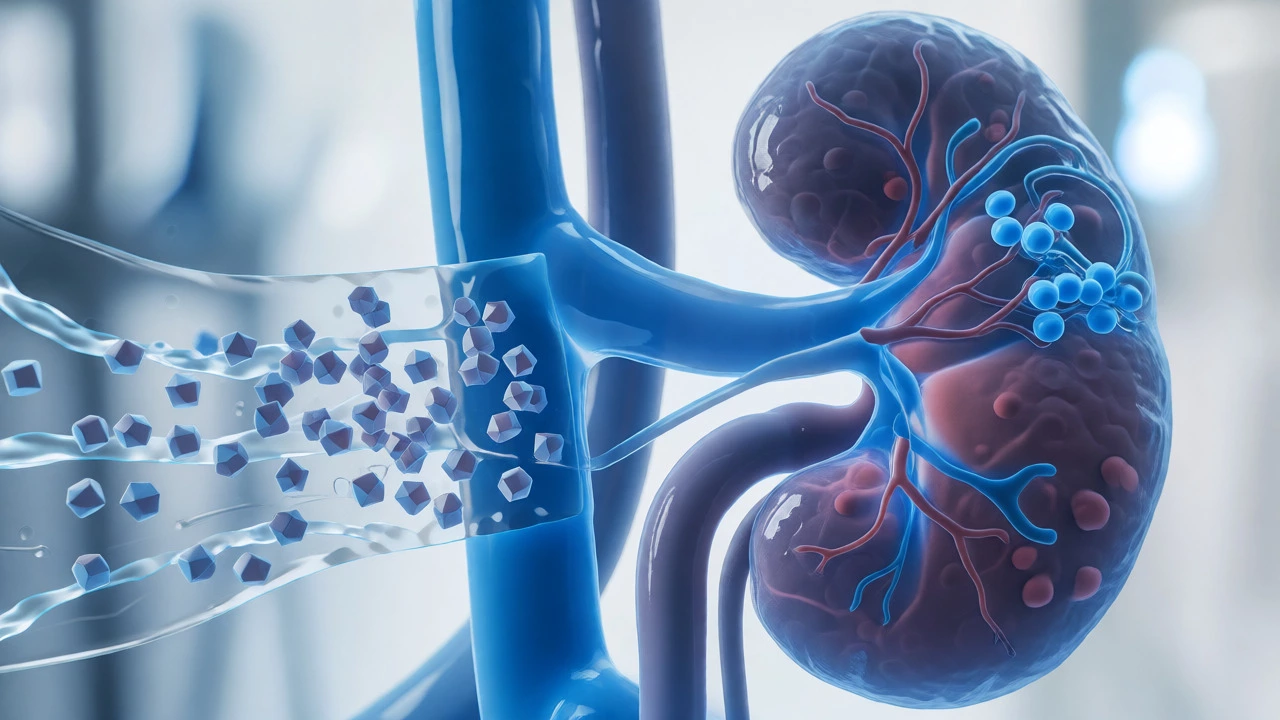
Your kidneys filter blood and remove toxins. Metformin doesn’t get metabolized by your liver; instead, it passes through your system unchanged and exits via urine. If your kidneys aren’t filtering properly, metformin builds up in your blood. High levels of accumulated metformin increase the risk of a rare but serious condition called lactic acidosis, where lactate piles up in your bloodstream faster than your body can clear it.
Doctors measure kidney health using a metric called estimated Glomerular Filtration Rate (eGFR). This number tells us how well your kidneys are working per minute. The guidelines have shifted over the years, becoming slightly more lenient, but strict limits still apply:
- eGFR below 30 mL/min/1.73 m²: You absolutely cannot take metformin. Your kidneys are too compromised to handle the clearance load.
- eGFR between 30 and 45 mL/min/1.73 m²: This is a caution zone. Many doctors will reduce the dose or stop prescribing it altogether because the risk-benefit ratio gets shaky here.
- eGFR above 45: Generally considered safe for initiation, though ongoing monitoring is required.
If you have chronic kidney disease (CKD) stage 4 or 5, metformin is off the table. For those in stage 3, it’s a gray area that requires careful judgment from your healthcare provider.
Liver Disease Complicates Lactate Clearance
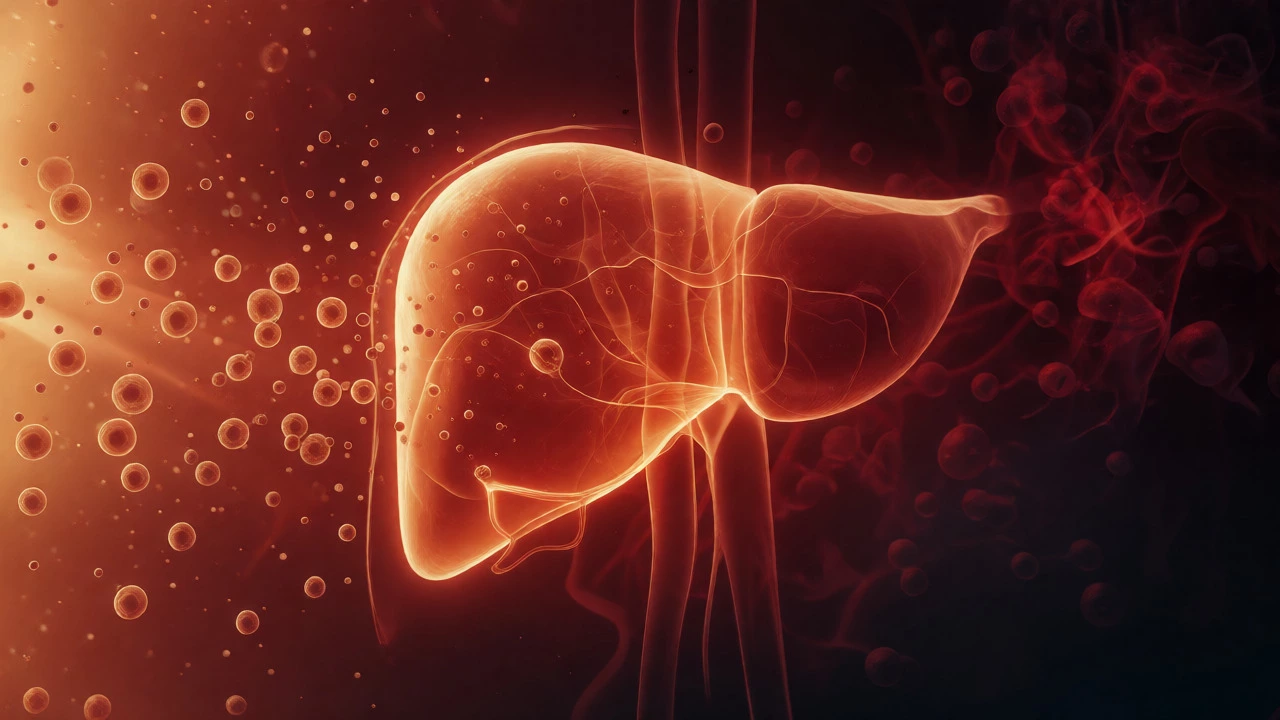
While the kidneys excrete metformin, the liver plays a huge role in processing lactate. If you have significant liver impairment-think cirrhosis, severe hepatitis, or advanced fatty liver disease-your body struggles to convert lactate back into glucose. This bottleneck means lactate accumulates even if your kidneys are fine. Combining liver dysfunction with metformin use significantly raises the odds of lactic acidosis.
Alcohol consumption also ties into this. Heavy drinking impairs liver function and increases lactate production. If you binge drink regularly, metformin becomes risky. Moderate alcohol might be okay for some, but heavy intake is a definite contraindication.
Heart Failure and Acute Medical Events
Not all heart failure patients need to avoid metformin, but those with unstable or acute heart failure do. When the heart isn’t pumping effectively, tissues don’t get enough oxygen. Low oxygen levels force cells to switch to anaerobic metabolism, which produces lactate as a byproduct. Adding metformin to this mix can overwhelm the system.
This risk spikes during acute events like a heart attack, stroke, or shock. During these crises, doctors often pause metformin temporarily until the patient stabilizes. It’s a precautionary measure to prevent metabolic chaos while the body deals with the immediate trauma.
Surgery and Contrast Dyes Require a Pause
If you’re scheduled for surgery requiring general anesthesia, you’ll likely need to stop metformin beforehand. Why? Because dehydration and low blood pressure during surgery can stress the kidneys. Taking metformin on top of that stress increases accumulation risks.
Similarly, if you’re getting imaging tests that use iodinated contrast dye (like a CT scan with contrast), you must hold metformin. The dye can temporarily impair kidney function. Standard protocol suggests stopping metformin at the time of the procedure and waiting 48 hours after, provided kidney function checks out normal before restarting.
Vitamin B12 Deficiency Concerns
Long-term metformin use interferes with the absorption of Vitamin B12 in the gut. Over years, this can lead to deficiency, causing neuropathy (nerve damage), fatigue, and anemia. While this isn’t an absolute contraindication for starting the drug, it’s a reason to monitor levels closely. If you already have severe B12 deficiency or pernicious anemia, adding metformin without supplementation could worsen symptoms.
Comparison of Patient Scenarios
To make this clearer, let’s look at how different patient profiles interact with metformin eligibility.
| Health Condition | Metformin Status | Reasoning |
|---|---|---|
| eGFR < 30 | Contraindicated | High risk of accumulation and lactic acidosis. |
| Severe Liver Disease | Contraindicated | Impaired lactate clearance increases acidosis risk. |
| Acute Heart Failure | Avoid/Pause | Tissue hypoxia promotes lactate production. |
| Heavy Alcohol Use | Caution/Avoid | Alcohol inhibits gluconeogenesis and stresses the liver. |
| Upcoming Surgery | Pause Temporarily | Risk of renal stress during anesthesia/dehydration. |
| Stable CKD (eGFR 45+) | Usually Safe | Benefits outweigh risks if monitored correctly. |

What About Pregnancy and Breastfeeding?
Historically, insulin was the only option for pregnant women with diabetes. Today, many doctors prescribe metformin for gestational diabetes or pre-existing type 2 diabetes during pregnancy. Studies suggest it’s generally safe, but it crosses the placenta. Some babies may be small for gestational age. It’s not strictly "cannot take," but it requires specific obstetric approval. In breastfeeding, metformin passes into milk in small amounts, which is usually tolerated well by infants.
Age Matters, But Not How You Think
There’s no upper age limit for metformin itself. An 80-year-old can take it if their kidneys work well. However, older adults are more prone to kidney decline and dehydration. So, while age isn’t a direct barrier, the physiological changes associated with aging often make clinicians hesitant. Always check eGFR before prescribing for seniors.
Key Takeaways for Patients
If you’re considering metformin, ask your doctor these questions:
- What is my current eGFR score?
- Do I have any history of liver issues or heavy alcohol use?
- Am I scheduled for any surgeries or scans with contrast dye soon?
- Should I supplement with Vitamin B12?
Remember, individual tolerance varies. Some people tolerate lower doses despite borderline kidney function, while others struggle even with healthy organs. Never self-adjust based on internet advice alone.
Can I take metformin if I have mild kidney disease?
It depends on the severity. If your eGFR is above 45 mL/min/1.73 m², you can usually continue taking it. Between 30 and 45, your doctor might lower the dose or discontinue it. Below 30, it is generally contraindicated due to high risk of lactic acidosis.
Why do I need to stop metformin before surgery?
Surgery often involves fasting, fluid shifts, and potential drops in blood pressure, all of which can temporarily reduce kidney function. Stopping metformin prevents the drug from accumulating in your blood if your kidneys slow down during the procedure, reducing the risk of lactic acidosis.
Does alcohol affect metformin?
Yes. Alcohol competes with metformin for metabolism pathways and increases lactate production. Heavy drinking combined with metformin significantly raises the risk of lactic acidosis. Moderate occasional drinking may be acceptable for some, but binge drinking is dangerous.
Is metformin safe for elderly patients?
Age alone is not a contraindication. However, kidney function naturally declines with age. Elderly patients must have their eGFR checked regularly. If kidney function remains stable, metformin is often safer and better tolerated than sulfonylureas, which carry a higher risk of hypoglycemia.
What happens if someone with contraindications takes metformin?
The primary danger is lactic acidosis, a medical emergency characterized by muscle pain, difficulty breathing, stomach upset, and extreme fatigue. Without treatment, it can lead to coma or death. Immediate hospitalization is required if symptoms appear.




Write a comment