
Skin Treatment Matchmaker
This tool helps you find the best skin treatment options based on your specific skin type, concerns, and lifestyle preferences. Just answer a few questions and get personalized recommendations.
Note: This is for informational purposes only. Always consult with a licensed dermatologist before starting any treatment.
1. What is your primary skin type?
2. What is your primary skin concern?
3. What is your preference for treatment?
4. What is your budget range?
5. How much downtime can you tolerate?
Your Personalized Recommendations
Based on your skin type (), primary concern (), and preferences, here are the best options for you.
Professional Treatments
At-Home Treatments
Combination Approach
Walking into a clinic or browsing online for skin solutions can feel like stepping into a maze. You see terms like microneedling, fractional lasers, and chemical peels everywhere. Everyone claims their method is the gold standard. But here is the truth: there is no single best treatment for everyone. The right choice depends entirely on your skin type, your specific concerns, and your budget. In 2026, technology has advanced, but the fundamental rule remains the same. You need a plan tailored to you, not a one-size-fits-all solution.
Many people rush into expensive procedures without understanding their skin first. This often leads to wasted money or even damage. Before you book a session, you need to know what your skin actually needs. Is it aging? Is it acne? Or is it simply dullness? Understanding the root cause helps you pick the right tool. This guide breaks down the most effective options available today so you can make a smart decision.
Understanding Your Skin Type First
Before discussing treatments, we must talk about the foundation: your skin type. If you treat oily skin like dry skin, you will likely cause breakouts. If you use harsh acids on sensitive skin, you will damage your barrier. Dermatologists often use the Fitzpatrick scale to classify skin, but for daily care, we focus on four main categories.
Normal Skin is balanced skin that is not too oily nor too dry. This type tolerates most treatments well but still needs protection.
Oily Skin is skin that produces excess sebum, leading to shine and potential acne. This type often benefits from oil-regulating treatments.
Dry Skin is skin that lacks moisture and may feel tight or flaky. This type requires hydration-focused therapies.
Sensitive Skin is skin that reacts easily to products or environmental factors. This type needs gentle, non-irritating approaches.
Knowing your type is the first step. In Australia, where the UV index is high, almost everyone needs to consider sun protection regardless of their type. Your skin reacts differently to the sun based on your melanin levels. This affects which laser or peel is safe for you.
Top Professional Treatments for Skin
When home care isn't enough, professional procedures offer faster results. These are performed by licensed specialists and target deeper layers of the skin. Here are the most common and effective options available in clinics today.
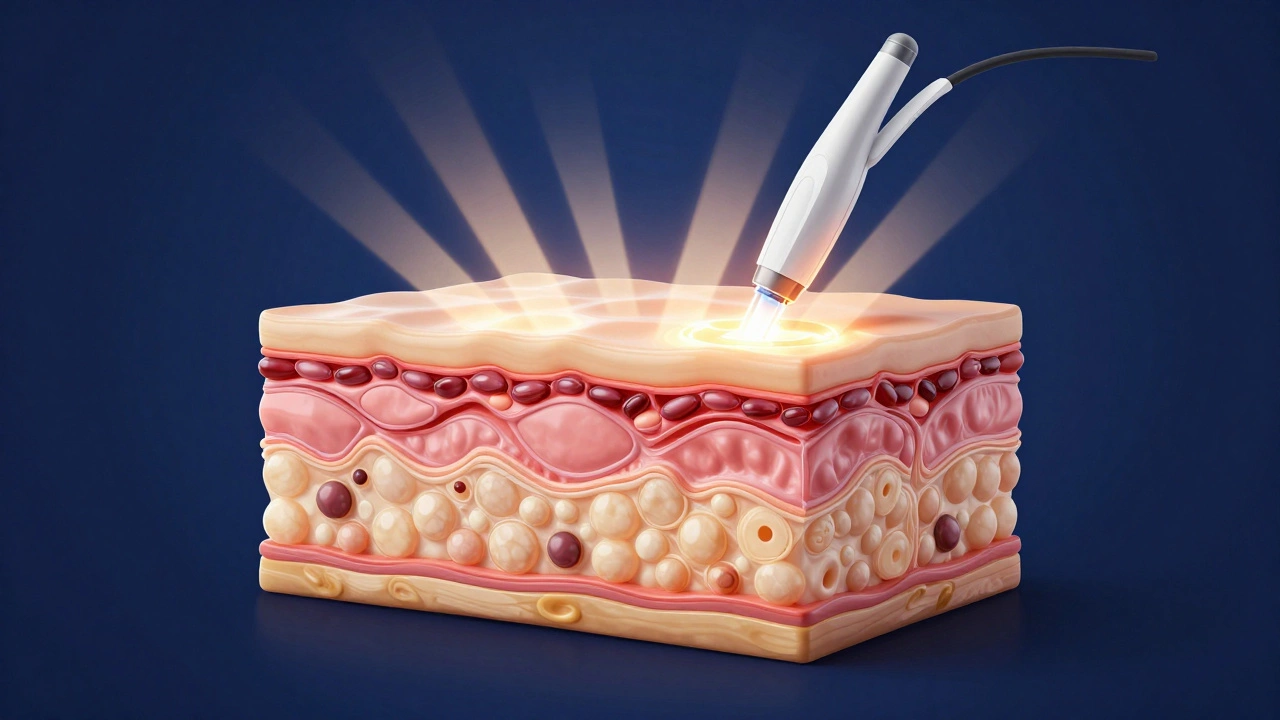
Laser Therapy is a treatment using focused light to target skin issues. Also known as Laser Resurfacing, it works by heating the skin to stimulate collagen. It is highly effective for wrinkles, scars, and pigmentation.
Lasers come in different types. Ablative lasers remove the top layer of skin and are powerful but require downtime. Non-ablative lasers heat the deeper tissue without damaging the surface. For example, a Fractional CO2 laser is great for deep scars, while an IPL (Intense Pulsed Light) is better for sun spots and redness. The cost varies, but you can expect to pay significantly more for these compared to at-home routines.
Chemical Peels is a procedure that applies acid solutions to remove dead skin cells. These peels range from mild to deep depending on the acid used. They help with texture, tone, and acne scars.
Superficial peels use mild acids like glycolic acid and need no downtime. Medium peels use trichloroacetic acid (TCA) and might cause peeling for a week. Deep peels are rare now due to risks but offer dramatic changes. A dermatologist will choose the strength based on your skin's resilience. In Sydney, many clinics offer medical-grade peels that are stronger than anything you can buy at a pharmacy.
Microneedling is a technique using fine needles to create micro-injuries in the skin. This process triggers the body's natural healing response. It improves skin texture and boosts product absorption.
This treatment is popular because it works for all skin tones. Unlike some lasers, microneedling has a lower risk of hyperpigmentation. It is often combined with serums like hyaluronic acid to enhance hydration. You might see redness for a day or two, but it is generally well-tolerated.
Effective At-Home Treatments
Not everyone wants to spend thousands on clinic visits. At-home care is crucial for maintaining results and managing mild concerns. Consistency is key here. You cannot expect overnight miracles, but long-term use yields real changes.
Retinoids is a class of compounds derived from Vitamin A. They are considered the gold standard for anti-aging and acne. They speed up cell turnover and reduce fine lines.
Retinoids come in prescription strength (like tretinoin) and over-the-counter options (like retinol). Start slow. Using them every night can cause irritation. Apply a pea-sized amount at night. Always follow up with sunscreen the next day because they make your skin sensitive to light.
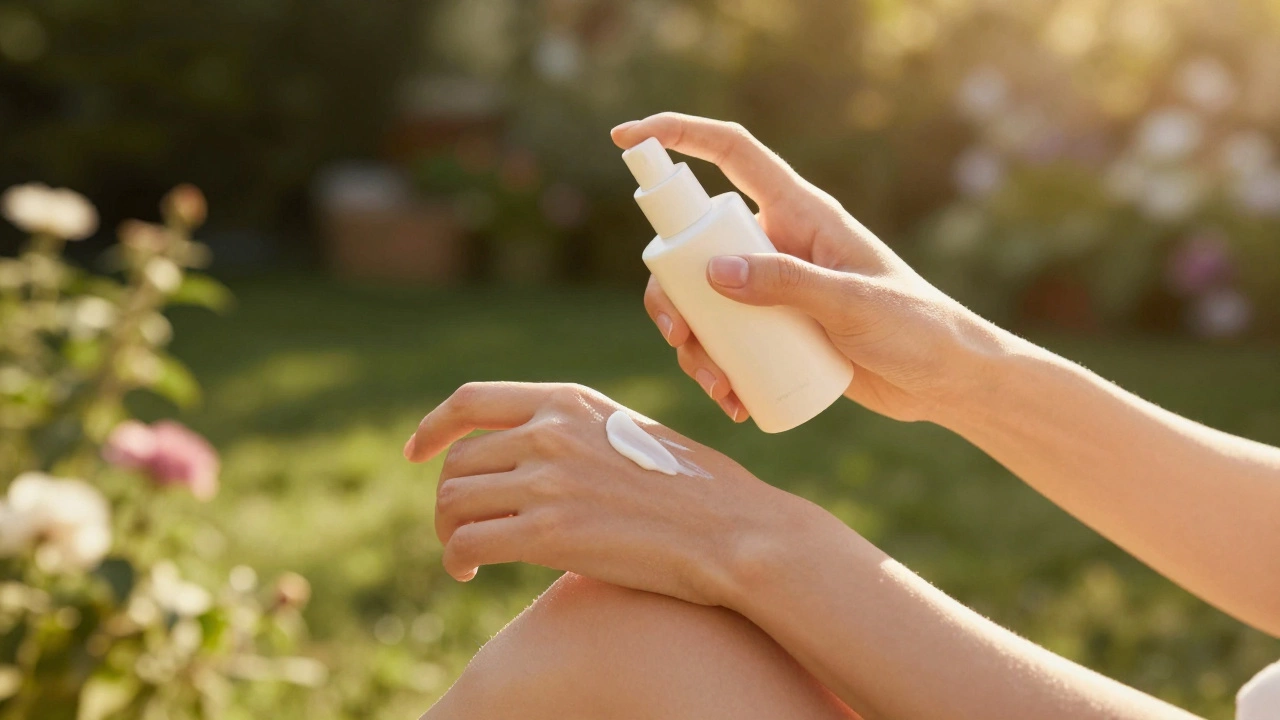
Sunscreen is a topical product that protects skin from UV radiation. It is the most important step in preventing premature aging. It prevents sunburn and reduces skin cancer risk.
Skipping sunscreen negates other treatments. Even if you stay indoors, UVA rays penetrate windows. In Australia, look for broad-spectrum protection with an SPF of 30 or higher. Reapply every two hours if you are outside. This simple habit saves more money than any expensive cream.
Hyaluronic Acid is a molecule that holds up to 1000 times its weight in water. It is used to hydrate and plump the skin. It is suitable for all skin types including sensitive skin.
This ingredient draws moisture into the skin. It works best when applied to damp skin. It does not treat wrinkles directly but makes them less visible by filling the skin with water. It is a safe add-on to almost any routine.
Comparing Professional vs. At-Home Options
How do you decide between a clinic visit and a bottle of cream? It comes down to your goals and your timeline. Professional treatments give faster, more dramatic results. At-home care is about maintenance and prevention. Here is a breakdown to help you visualize the differences.
| Feature | Professional Treatments | At-Home Treatments |
|---|---|---|
| Cost | High ($500 - $5000+) | Low ($20 - $100) |
| Downtime | Often required (days to weeks) | None |
| Results Speed | Fast (weeks) | Slow (months) |
| Best For | Deep scars, severe aging | Maintenance, mild concerns |
| Risk Level | Moderate to High | Low |
Notice the downtime factor. If you have a wedding in a month, a deep peel might not work. If you want to fade a deep acne scar, a cream might not be strong enough. Many people use a combination. They get a laser session every six months and use retinoids daily in between. This hybrid approach often yields the best long-term outcome.
Choosing Based on Specific Concerns
Your specific problem dictates the solution. Treating acne with anti-aging products won't help. Let's match common issues with the right treatments.
If you struggle with Acne, salicylic acid is a good start. For stubborn cystic acne, a dermatologist might prescribe oral medication or offer blue light therapy. Chemical peels can also unclog pores effectively. Do not try to pop pimples, as this leads to scarring.
If your goal is Anti-Aging, focus on collagen production. Retinoids are the foundation. Laser therapy and microneedling boost collagen deeper than creams can. Botox is another option for dynamic wrinkles caused by muscle movement, but that is a different category of treatment.
If you have Pigmentation, be careful. Lasers can sometimes make dark spots darker if not chosen correctly. Hydroquinone is a common prescription for dark spots. Vitamin C serums help brighten the skin over time. Sun protection is non-negotiable here.
Safety and Side Effects to Consider
Skin treatments are medical procedures. They carry risks. Infection, scarring, and burns are possible if done incorrectly. Always verify the credentials of your provider. In Australia, check if they are registered with the Medical Board.
Side effects vary. Redness and swelling are common after lasers. Peeling is expected after peels. If you experience severe pain or pus, seek medical help immediately. Patch testing is essential before starting new products. Apply a small amount behind your ear and wait 24 hours.
Also, consider your lifestyle. If you cannot stay out of the sun for two weeks, a deep peel is a bad idea. If you cannot afford the aftercare products, the treatment might fail. Be honest about your ability to follow post-treatment instructions.
Is laser treatment safe for all skin tones?
Not all lasers are safe for darker skin tones. Some wavelengths can cause burns or hyperpigmentation. You need a specialist who uses specific lasers designed for melanin-rich skin, such as Nd:YAG lasers.
How often should I get a chemical peel?
Superficial peels can be done monthly. Medium peels should be spaced 3 to 6 months apart. Deep peels are usually a one-time procedure. Always follow your dermatologist's schedule.
Can I use retinol and sunscreen together?
Yes, but at different times. Apply retinol at night and sunscreen in the morning. Retinol makes your skin more sensitive to UV rays, so sunscreen is mandatory the next day.
What is the recovery time for microneedling?
Recovery is usually short. Redness lasts 24 to 48 hours. You can typically return to work the next day, but avoid heavy makeup and sun exposure for a few days.
Do at-home treatments work as well as professional ones?
They work differently. At-home products maintain and improve skin gradually. Professional treatments provide structural changes faster. For best results, combine both approaches.
Choosing the right path takes research and patience. Listen to your skin. If something stings or burns, stop. Your skin is your largest organ and it deserves care. Whether you choose a high-tech laser or a simple moisturizer, consistency wins in the long run. Start with a consultation to map out your journey.




Write a comment