
Diabetes Reversal Weight Loss Calculator
Studies show that losing 5-10% of your body weight can reverse Type 2 diabetes in up to 60% of cases—even without medication. This tool calculates your personalized weight loss targets based on your current weight.
More than half of people with Type 2 diabetes in Australia are prescribed metformin. But what if it doesn’t work for you? Or you can’t tolerate the side effects? Or you just want to try something different? You’re not alone. Many people are asking: can I fix my diabetes without metformin? The answer isn’t yes or no-it’s more like, how you do it.
Metformin isn’t the only tool
Metformin helps your body use insulin better and lowers how much sugar your liver makes. But it doesn’t fix the root problem: your body is overwhelmed by too much sugar and too little movement. That’s why some people still struggle-even on metformin. The real fix isn’t a pill. It’s rebuilding how your body handles food, stress, and movement.Studies from the University of Sydney show that people who lose 5-10% of their body weight can reverse Type 2 diabetes in up to 60% of cases-even without drugs. That’s not magic. That’s biology.
Start with food-not pills
What you eat controls your blood sugar more than any medication. You don’t need to go keto or vegan. You need to stop feeding your liver sugar.- Replace sugary drinks with water, herbal tea, or sparkling water with lemon.
- Swap white rice, bread, and pasta for lentils, quinoa, or sweet potatoes.
- Stop eating processed snacks. Chips, cookies, and granola bars spike blood sugar fast and crash it harder.
- Include protein and healthy fats with every meal-eggs, fish, nuts, avocado, or tofu. They slow sugar absorption.
A 2024 study in The Lancet Diabetes & Endocrinology found that people who ate three meals a day with no snacks and no added sugar reversed their diabetes faster than those on medication alone. The key? Consistency. Not perfection.
Movement isn’t optional-it’s medicine
You don’t need to run marathons. You need to move after meals.Walking for 15-20 minutes after dinner lowers your blood sugar by up to 30%. That’s more effective than most pills. Why? Muscle uses sugar as fuel. The more active your muscles, the less sugar stays in your blood.
- Take a walk after every meal-even if it’s just around the block.
- Stand up every 30 minutes if you sit all day. Set a timer.
- Do bodyweight exercises: squats, wall push-ups, step-ups on stairs. Three times a week.
One man in Melbourne, 58, reversed his diabetes in 11 months by walking after dinner and cutting out soda. His A1C dropped from 8.2% to 5.6%. No drugs. Just movement and meals.
Sleep and stress are silent triggers
If you’re not sleeping well or you’re always stressed, your body makes more sugar-on purpose.When cortisol (the stress hormone) rises, your liver releases glucose. That’s fine if you’re running from a bear. Not fine if you’re stuck in traffic or scrolling at 2 a.m.
- Aim for 7-8 hours of sleep. Go to bed and wake up at the same time every day.
- Turn off screens an hour before bed. Blue light blocks melatonin.
- Try 5 minutes of deep breathing before bed: inhale for 4 counts, hold for 4, exhale for 6.
- Reduce chronic stress with walking, journaling, or talking to someone you trust.
A 2023 study in Diabetes Care showed that people with poor sleep had 23% higher fasting blood sugar-even if they ate the same diet as others.

What about supplements?
You’ll see ads for cinnamon, berberine, magnesium, or chromium that claim to “replace metformin.” Some of these have real science behind them-but they’re not magic bullets.- Berberine: Shown in clinical trials to lower blood sugar similarly to metformin. But it can interact with other meds. Talk to your doctor.
- Magnesium: Many people with diabetes are low in it. A daily 300 mg dose may help insulin sensitivity.
- Vitamin D: Low levels are linked to higher blood sugar. Get tested. If low, 1000-2000 IU daily helps.
Supplements support your body. They don’t replace food, movement, or sleep. Don’t buy into products that promise quick fixes. Real change takes time.
How long until you see results?
Most people notice better energy and less thirst within 2-4 weeks. Blood sugar numbers start dropping in 6-8 weeks. A1C (your 3-month average) takes 3-6 months to change significantly.Don’t wait for the scale to drop. Track your fasting blood sugar every morning. Use a glucometer if you can. Small wins add up.
When to talk to your doctor
You can manage diabetes without metformin-but you shouldn’t do it alone. Your doctor needs to know what you’re doing. Stopping metformin without a plan can be dangerous.Ask for:
- A baseline A1C test
- Regular fasting glucose checks
- Monitoring for complications (eye, kidney, nerve checks)
Some people eventually reduce or stop metformin. Others need it long-term. That’s okay. The goal isn’t to be drug-free-it’s to be healthy. If you need medication to stay healthy, that’s not failure. It’s smart.

What doesn’t work
Avoid these traps:- Detox teas or juice cleanses-they cause blood sugar crashes and rebound spikes.
- Extreme low-carb diets-unsustainable and can raise bad cholesterol.
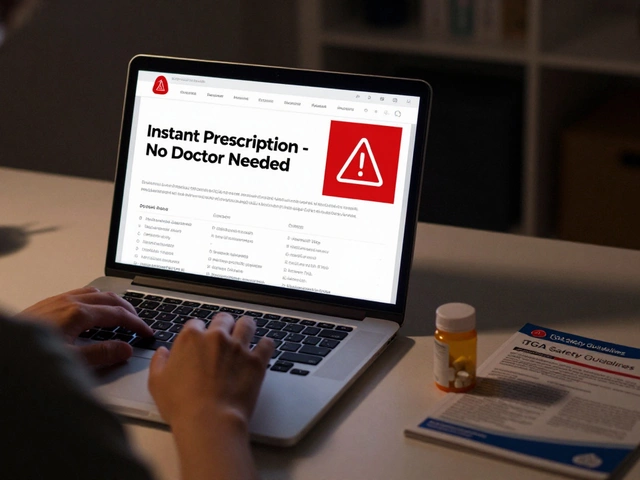
- Buying unregulated supplements online-no oversight, risky ingredients.
- Waiting for symptoms to disappear-diabetes often has no symptoms until damage is done.
Diabetes isn’t fixed by trends. It’s fixed by habits.
Real progress looks like this
- You stop craving sugar because your body isn’t screaming for it anymore. - You feel more energy in the afternoon, not a crash. - You sleep better and wake up feeling rested. - Your clothes fit looser-not because you lost 20 kilos, but because your body is balanced. - Your doctor says your A1C is in the normal range-and you didn’t need to change your life overnight.That’s the real win.
Can I stop metformin if I lose weight?
Yes, but only under medical supervision. Losing 5-10% of your body weight can improve insulin sensitivity enough that your doctor may reduce or stop metformin. Never stop cold turkey-your blood sugar can spike dangerously. Work with your doctor to monitor your levels as you make lifestyle changes.
What foods should I avoid to lower blood sugar?
Avoid sugary drinks, white bread, pastries, candy, processed snacks, and refined carbs like white rice and pasta. These spike blood sugar fast. Also limit fruit juices-even 100% juice raises blood sugar quickly. Stick to whole fruits in moderation, and always pair them with protein or fat.
Is intermittent fasting safe for diabetes?
It can be-but it’s not for everyone. Some people with Type 2 diabetes see improved insulin sensitivity with 12-14 hour overnight fasts. But if you’re on insulin or other medications, fasting can cause dangerous low blood sugar. Always check with your doctor before starting any fasting plan.
Can stress cause high blood sugar even if I eat well?
Yes. Chronic stress raises cortisol, which tells your liver to release more glucose. Even if you eat perfectly, high stress can keep your blood sugar elevated. Managing stress through sleep, breathing, walking, or therapy is just as important as diet.
How do I know if my diabetes is reversing?
Reversal means your A1C is below 6.5% without medication. You’ll also notice fewer symptoms: less thirst, less fatigue, no frequent urination. Regular blood tests are the only way to confirm. Don’t rely on how you feel alone-diabetes can damage organs silently.
Next steps: Start small, stay consistent
Pick one thing to change this week:- Swap soda for water.
- Walk 15 minutes after dinner.
- Go to bed 30 minutes earlier.
Don’t try to fix everything at once. That’s how people quit. Pick one habit. Stick with it for 21 days. Then add another. Your body will thank you.
Diabetes isn’t a life sentence. It’s a signal. Listen to it. Change your habits. And you don’t need metformin to take back your health.



Write a comment