
Cancer Cure & Remission Estimator
Step 1: Select Cancer Type
Step 2: Select Stage at Diagnosis
Estimated Outcome Analysis
Based on Breast Cancer at Stage I-II:
Primary Treatments
- Surgery
- Radiation
- Hormone Therapy
Key Insight
When caught early, breast cancer is highly treatable. Screening programs like mammograms drastically improve outcomes.
*Estimates based on general medical data. Individual results vary.
When a doctor says the word "cancer," the immediate fear for most people is that it’s a death sentence. But the reality in 2026 is far more nuanced. The short answer to whether cancer can be cured completely is yes-for many types, especially when caught early. However, "cure" is a tricky word in medicine. Doctors often prefer terms like remission, which means no signs of disease are detectable. Whether you achieve a complete cure depends heavily on the specific type of cancer, its stage at diagnosis, and how well it responds to modern treatments.
Defining "Cure" vs. Remission
In oncology, we don't just slap the label "cured" on patients lightly. Instead, we look at two main concepts: clinical remission and statistical cure. Clinical remission occurs when tests show no evidence of the cancer cells remaining in the body. This can be partial (some cancer remains) or complete (none detected). A patient might be in complete remission but still require monitoring because microscopic cells could linger.
A "statistical cure" is usually defined by time. If a patient stays in complete remission for five years or more, the likelihood of the cancer returning drops significantly. For some cancers, like certain leukemias or testicular cancer, this window might be shorter. For others, like breast or lung cancer, doctors watch closely for ten years or longer. It’s important to understand that being in remission doesn’t mean you’re guaranteed never to get cancer again, but it does mean the current threat has been successfully managed or eliminated.
Cancers That Are Highly Curable
Not all cancers are created equal. Some types have survival rates that border on miraculous due to effective treatments. Here are a few examples where complete cures are common:
- Testicular Cancer: This is one of the most curable forms of cancer. Even when it spreads, the five-year survival rate is over 95%. Treatments like chemotherapy and surgery are highly effective.
- Hodgkin Lymphoma: Once a leading cause of cancer death in young adults, this type of lymphoma now has a cure rate exceeding 85% thanks to advanced chemotherapy regimens.
- Thyroid Cancer: Most thyroid cancers grow slowly and respond well to surgery and radioactive iodine therapy. The five-year survival rate is nearly 99%.
- Early-Stage Prostate Cancer: When detected early through PSA testing and biopsy, prostate cancer can often be cured with surgery or radiation, with many men living out their natural lifespans without recurrence.
- Skin Cancers (Basal and Squamous Cell): These non-melanoma skin cancers are extremely common but also highly treatable. Simple excision often results in a complete cure.
The key takeaway here is that early detection plays a massive role. Screening programs save lives because they catch these diseases before they become aggressive.
The Role of Early Detection
If there is one factor that drastically increases the chance of a complete cure, it is early detection. Catching cancer at Stage I or II means the tumor is small and hasn’t spread to lymph nodes or other organs. This makes surgical removal much more feasible and reduces the need for harsh systemic therapies like high-dose chemotherapy.
Consider colorectal cancer. When found during a routine colonoscopy as a polyp, it can often be removed entirely before it becomes invasive. In this case, the procedure itself is the cure. But if left unchecked, it progresses to Stage IV, where the five-year survival rate drops dramatically. Regular screenings-mammograms for breast cancer, low-dose CT scans for heavy smokers to check for lung cancer, and Pap smears for cervical cancer-are your best defense.
In Australia, national screening programs have made significant strides. Programs like BreastScreen Australia and the National Cervical Screening Program have standardized access to these life-saving checks, ensuring that many cancers are caught at their most vulnerable stages.
Modern Treatment Breakthroughs
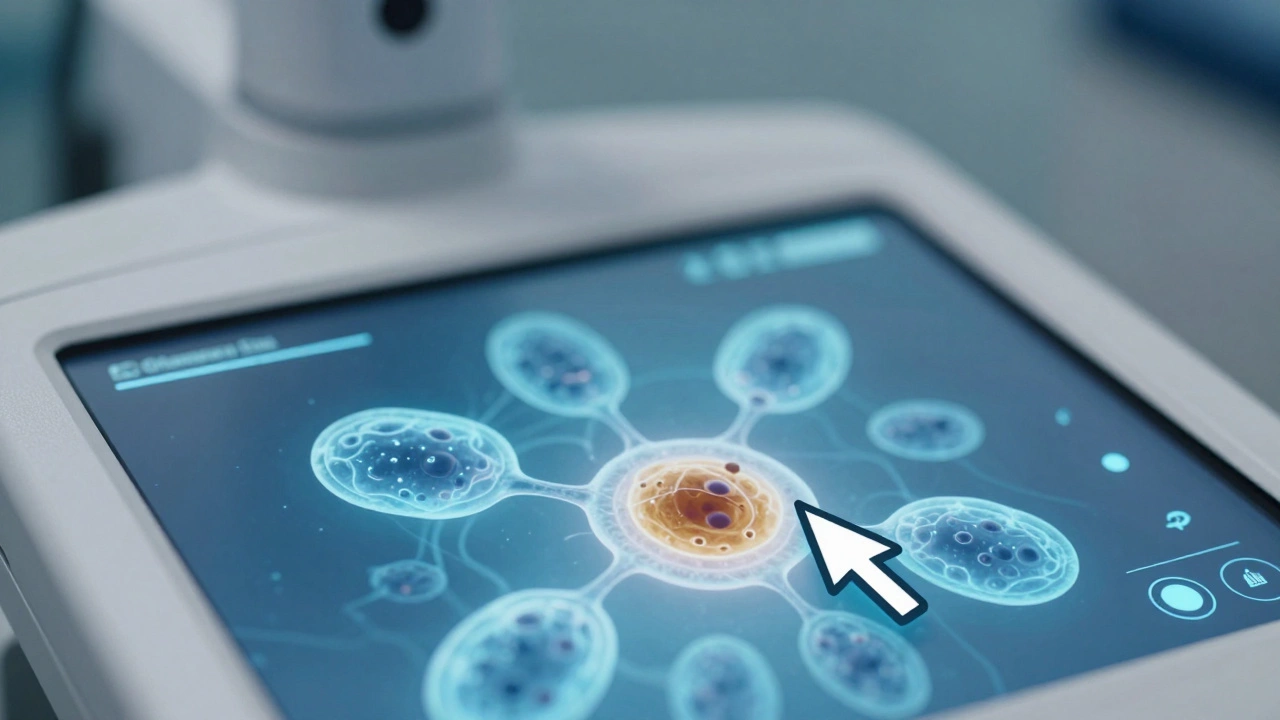
We are living in a golden age of oncology. The treatments available in 2026 are vastly different from those used even a decade ago. Three major advancements are reshaping what "curable" means:
- Immunotherapy: This approach boosts your own immune system to fight cancer. Drugs like checkpoint inhibitors have turned some previously untreatable metastatic melanomas into manageable conditions, with some patients achieving long-term remission.
- Targeted Therapy: Unlike traditional chemo, which kills all fast-growing cells, targeted therapies attack specific genetic mutations in cancer cells. For example, drugs targeting the HER2 protein in breast cancer or EGFR mutations in lung cancer have improved outcomes significantly.
- CAR T-Cell Therapy: This involves extracting a patient’s T-cells, engineering them in a lab to recognize cancer cells, and infusing them back into the body. It has shown remarkable success in treating certain blood cancers like acute lymphoblastic leukemia (ALL).
These treatments aren’t magic bullets for every case, but they have expanded the horizon of what is possible. They allow doctors to treat aggressive cancers with precision, sparing healthy tissue and improving quality of life.
When Cure Is Not Possible: Managing Chronic Disease
For some patients, particularly those diagnosed with advanced-stage solid tumors, a complete cure may not be realistic. In these cases, the goal shifts from curing to controlling. Cancer becomes a chronic condition, similar to diabetes or heart disease. The aim is to shrink tumors, slow growth, and manage symptoms to extend life and maintain quality.
This doesn’t mean giving up. Many people live for years with metastatic cancer thanks to palliative care and ongoing treatment adjustments. Palliative care focuses on relief from pain and stress, working alongside oncologists to ensure comfort. It’s a misconception that palliative care is only for end-of-life; it can be beneficial at any stage of diagnosis.
| Cancer Type | Early Stage Survival Rate | Late Stage Survival Rate | Primary Treatment |
|---|---|---|---|
| Breast Cancer | >99% | ~27% | Surgery, Radiation, Hormone Therapy |
| Lung Cancer | ~60% | ~7% | Chemotherapy, Immunotherapy, Surgery |
| Prostate Cancer | ~100% | ~30% | Surgery, Radiation, Hormone Therapy |
| Melanoma | ~99% | ~30% | Surgery, Immunotherapy |
As the table shows, the drop in survival rates between early and late stages is stark. This underscores the critical importance of vigilance and regular health check-ups.
Lifestyle and Prevention
While genetics play a role, lifestyle choices significantly influence cancer risk. You can’t control your DNA, but you can control your habits. Reducing alcohol consumption, avoiding tobacco, maintaining a healthy weight, and eating a diet rich in fruits and vegetables are proven ways to lower risk.
Physical activity is another powerful tool. Studies consistently show that regular exercise lowers the risk of several cancers, including colon and breast cancer. Sun protection is also vital; wearing sunscreen and avoiding peak UV hours helps prevent skin cancers, which are among the most common but also most preventable.
Conclusion: Hope and Realism
So, can cancer be cured completely? Yes, in many cases. Advances in medicine have transformed cancer from an automatic death sentence into a treatable, and often curable, condition. However, it requires a proactive approach. Early detection, adherence to screening guidelines, and access to modern treatments are key. While not every case ends in a cure, the landscape of oncology is brighter than ever, offering hope and extended life to millions worldwide.
What is the difference between remission and cure?
Remission means no signs of cancer are detectable by tests. A cure implies the cancer will never return. Doctors often use "no evidence of disease" (NED) instead of cure. If a patient remains in complete remission for five years or more, they are often considered statistically cured, depending on the cancer type.
Which cancers have the highest cure rates?
Testicular cancer, Hodgkin lymphoma, thyroid cancer, and early-stage prostate and skin cancers have very high cure rates, often exceeding 90-95% when treated appropriately.
How does immunotherapy work as a cure?
Immunotherapy helps the body's immune system recognize and attack cancer cells. While not a cure for everyone, it has led to long-term remission in some patients with advanced melanoma and lung cancer who previously had few options.
Why is early detection so important?
Early detection allows for less invasive treatments like surgery alone, rather than complex chemotherapy or radiation. Cancers caught at Stage I are much easier to remove completely, leading to higher survival rates and better quality of life.
Can lifestyle changes prevent cancer?
Yes, many cancers are linked to lifestyle factors. Avoiding smoking, limiting alcohol, maintaining a healthy weight, exercising regularly, and protecting skin from sun exposure can significantly reduce the risk of developing various types of cancer.




Write a comment