Knee Replacement Readiness Calculator
How Severe Is Your Knee Pain?
This tool evaluates your knee pain against clinical criteria. Answer honestly to get an assessment of whether you meet guidelines for knee replacement surgery.
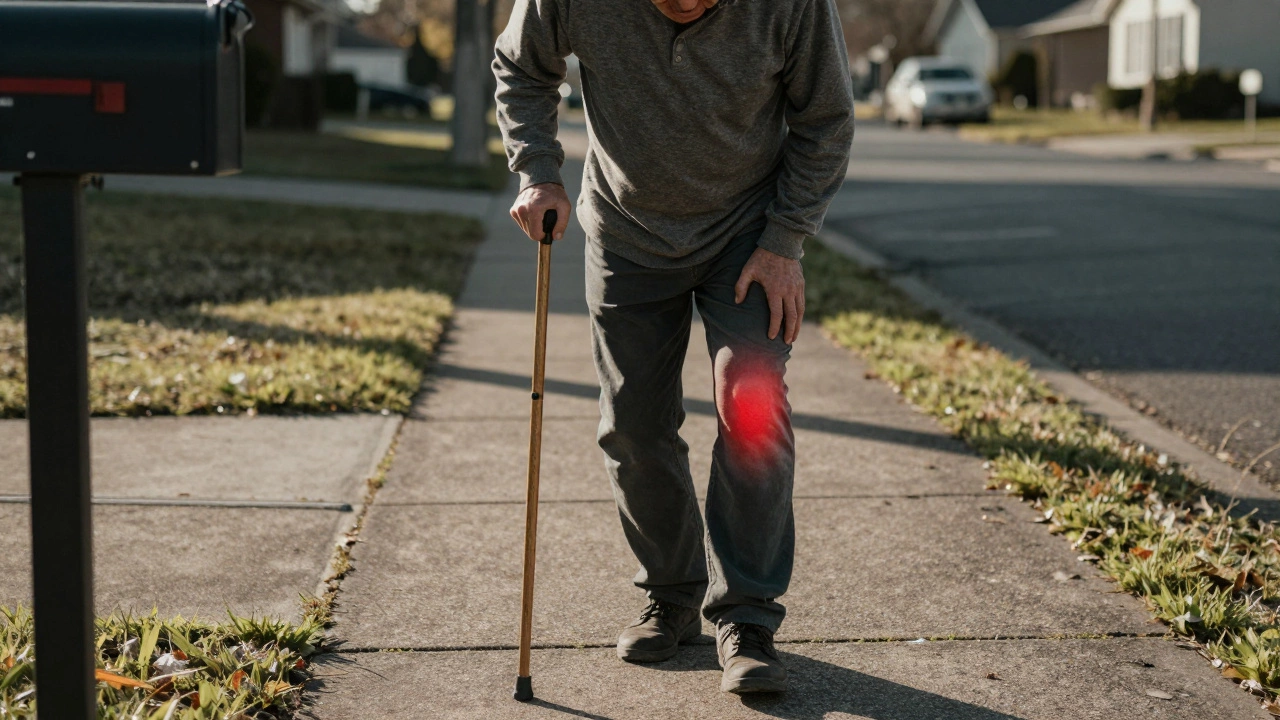
Most people don’t decide to get a knee replacement because they want to. They do it because they can’t walk to the mailbox without stopping. They do it because climbing stairs feels like scaling a cliff. They do it because the pain keeps them awake at night, and painkillers don’t touch it anymore. If you’re asking this question, you’re probably already there-you’re just hoping there’s another way.
When Pain Stops Being Manageable
Knee pain isn’t the only factor. It’s how much it controls your life. You might have X-rays showing bone-on-bone arthritis, but if you’re still gardening, playing with your grandkids, or walking the dog, surgery isn’t urgent. The real turning point comes when your daily activities become impossible-not just hard, but out of reach.
Think about this: if you’ve stopped going to the gym because your knee swells after 10 minutes on the elliptical, or if you skip Sunday brunch because you can’t sit in a chair without your knee screaming, you’re past the point of waiting. Medications, physical therapy, and cortisone shots might have helped before. But if they’re no longer giving you more than a few weeks of relief, that’s a sign your knee has lost its ability to heal itself.
What Doctors Look For
Orthopedic surgeons don’t just look at your X-rays. They look at your life. A clear sign your knee is ready for replacement is when your pain scores are consistently above 7 out of 10 on a standard scale-and they’ve been that high for over six months. That’s not occasional discomfort. That’s constant, grinding, bone-against-bone friction.
They also check for stiffness. If you can’t bend your knee past 90 degrees-meaning you can’t sit in a normal chair or get out of a car without using your hands-you’re losing mobility that’s critical for independence. Many patients say they can’t squat to pick up something off the floor, or they have to lift their leg to get into bed. These aren’t minor inconveniences. They’re red flags.
Another big indicator? Swelling that doesn’t go away. If your knee is puffy every morning, even after rest and ice, it’s a sign of ongoing inflammation that’s damaging the joint. That’s not something a brace or a pill will fix.
What Happens If You Wait Too Long
Waiting doesn’t make your knee better. It makes surgery harder.
When you delay, muscles around the knee shrink from lack of use. That’s called atrophy. By the time you finally go in, your quadriceps might be so weak that recovery takes months longer. Some patients need months of pre-surgery rehab just to build back enough strength to handle the operation.
Also, your body adapts to the pain. You start limping. You shift your weight to the other leg. That puts extra stress on your healthy knee, which can lead to problems there too. One bad knee often becomes two.
And then there’s the mental toll. Chronic pain changes how you think. It leads to frustration, anxiety, and even depression. People who wait too long often say they didn’t realize how much they’d lost-not just mobility, but joy. They missed birthdays, holidays, vacations. They stopped being the person they used to be.
Alternatives That Don’t Work
You’ve probably heard about stem cell injections, PRP therapy, or those expensive knee braces marketed on TV. Let’s be clear: none of these fix bone-on-bone arthritis. They might reduce inflammation for a few months, but they don’t regrow cartilage. That’s a myth.
A 2024 study in the Journal of Bone and Joint Surgery followed 500 patients with severe knee osteoarthritis. Those who got PRP or stem cell treatments reported short-term relief-but after 18 months, 82% of them ended up needing a knee replacement anyway. The same group that went straight to surgery had better long-term outcomes and faster recovery.
Weight loss helps, but only if you’re overweight. If you’re already at a healthy weight, losing a few more pounds won’t magically restore your joint. And if you’re avoiding movement because you’re scared of pain, that’s making things worse. Movement keeps the joint lubricated. Staying still makes it stiffer.
What a Successful Replacement Looks Like
Modern knee replacements aren’t what they used to be. In 2026, most implants last 20-25 years. Recovery is faster too. Many patients walk with a cane the day after surgery and are off pain meds within two weeks.
People who get replacement surgery at the right time-when pain is severe but muscles are still strong-often return to hiking, swimming, golf, even dancing. One patient I spoke to in Sydney started trail running again six months after surgery. She was 68. She’d given up on walking for five years.
It’s not about being young. It’s about being ready. If your quality of life is already low, and you’re tired of living in pain, then your knee is bad enough.

Signs You’re Ready for Surgery
- You can’t walk more than 10 minutes without stopping due to pain or swelling
- You need a cane, walker, or railing to move around your home
- You’ve tried at least three non-surgical treatments (PT, injections, braces) for over six months with no lasting relief
- Your sleep is ruined by pain, even with medication
- You’ve stopped doing hobbies you love because of your knee
- You feel like you’re losing control of your own life
If three or more of these sound familiar, you’re not being too dramatic. You’re being realistic.
What to Do Next
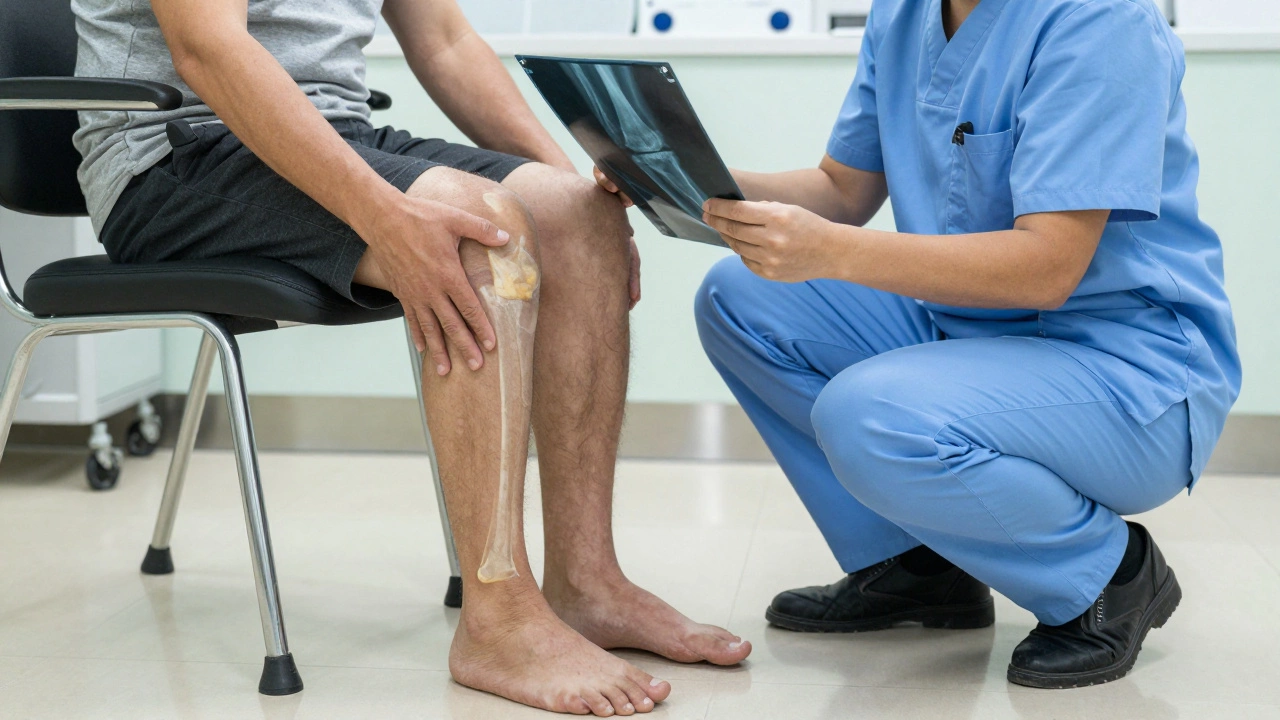
Don’t wait for the pain to get worse. Make an appointment with an orthopedic surgeon who specializes in knee replacements. Bring your X-rays and a list of what you can’t do anymore. Be honest about your daily struggles.
Ask them: “If this was your knee, would you replace it now?” That question cuts through the noise. Most surgeons will tell you the truth.
Don’t let fear of surgery stop you. The success rate for knee replacements is over 95%. Complications are rare. Most people say they wish they’d done it sooner.
Your knee doesn’t have to be completely destroyed before you act. It just has to be destroying your life.
Is knee replacement only for older people?
No. While most patients are over 60, younger people with severe arthritis or joint damage from injury are also candidates. Age isn’t the deciding factor-pain, mobility, and quality of life are. A 45-year-old who can’t play with their kids or work because of knee pain may benefit just as much as someone older.
How long does recovery take after knee replacement?
Most people walk without assistance within 4-6 weeks. Full recovery, including regaining strength and range of motion, takes 3-6 months. Physical therapy starts the day after surgery and is critical. Patients who stick with rehab return to normal activities faster and with better results.
Will I be able to run or exercise after surgery?
You won’t be able to do high-impact sports like basketball or marathon running. But most people return to walking, swimming, cycling, golf, and even hiking. Modern implants are designed for active lifestyles. Many patients say they’re more active after surgery than they were before their knee got bad.
What are the risks of knee replacement surgery?
The biggest risks are infection, blood clots, and implant loosening-but all are rare. Infection happens in less than 1% of cases. Blood clots are prevented with medication and early movement. Implant failure after 10 years is under 5%. Most people have no major complications. The risk of staying in pain and losing mobility is far greater than the risk of surgery.
Can both knees be replaced at the same time?
Yes, but it’s not for everyone. If you’re healthy, under 75, and have strong heart and lung function, bilateral knee replacement is safe and can mean one recovery instead of two. But if you have other health issues, surgeons usually recommend doing one knee at a time to reduce stress on the body.




Write a comment