Bones: Understanding Bone Health, Surgery, and Recovery
When your bones, the rigid structures that form your skeleton and protect vital organs. Also known as skeletal tissue, they're not just passive supports—they're living, changing systems that repair themselves and respond to stress, nutrition, and movement. A broken bone isn't just a crack—it's a whole healing process that can take weeks or months, depending on age, health, and how it’s treated. And when things go beyond a simple fracture, bone surgery, a medical procedure to fix, realign, or replace damaged bone becomes necessary. This isn’t rare. From hip replacements to spinal fusions, millions of people undergo orthopedic procedures every year, often because bones fail to heal properly or are damaged by injury, disease, or aging.
Many assume bone surgery is all about the cut and the steel pins. But the real challenge starts after the incision closes. Recovery isn’t just about pain—it’s about rebuilding strength, regaining mobility, and avoiding complications like infection or nonunion. That’s why bone recovery, the process of healing and restoring function after bone injury or surgery requires more than rest. It needs the right movement, nutrition, and sometimes physical therapy. A 70-year-old recovering from a hip fracture has different needs than a 30-year-old who broke a wrist in a fall. And while some people bounce back fast, others struggle with lingering stiffness, chronic pain, or slow healing—especially if they have diabetes, osteoporosis, or poor circulation.
What you eat matters. Calcium and vitamin D aren’t just buzzwords—they’re the building blocks. Protein helps repair tissue. And movement—even gentle walking—triggers bone growth. Too much rest can weaken bones further. That’s why doctors now push early mobility after surgery, even for older patients. You don’t need to run a marathon after a knee repair, but you do need to stand, shift weight, and move joints regularly. The science is clear: bones adapt to load. No load? They thin out.
And let’s talk about pain. It’s normal after bone surgery, but it shouldn’t be unbearable or last forever. Some people get stuck in a cycle of painkillers and fear—afraid to move because it hurts. But controlled movement is the best medicine. Physical therapists don’t just stretch muscles—they help your bones relearn how to bear weight safely. And if pain lingers past a few months, it’s not normal. It could mean nerve damage, improper healing, or even an infection that slipped under the radar.
The posts below cover what really happens when bones break, get repaired, or are replaced. You’ll find honest takes on bone surgery pain, what recovery actually looks like for seniors, how nutrition plays a role, and why some people heal faster than others. There’s no magic pill or miracle drink—just facts, science, and real experiences from people who’ve been through it. Whether you’re preparing for surgery, helping someone recover, or just curious how your skeleton works, this collection gives you what you need to move forward—safely and smartly.
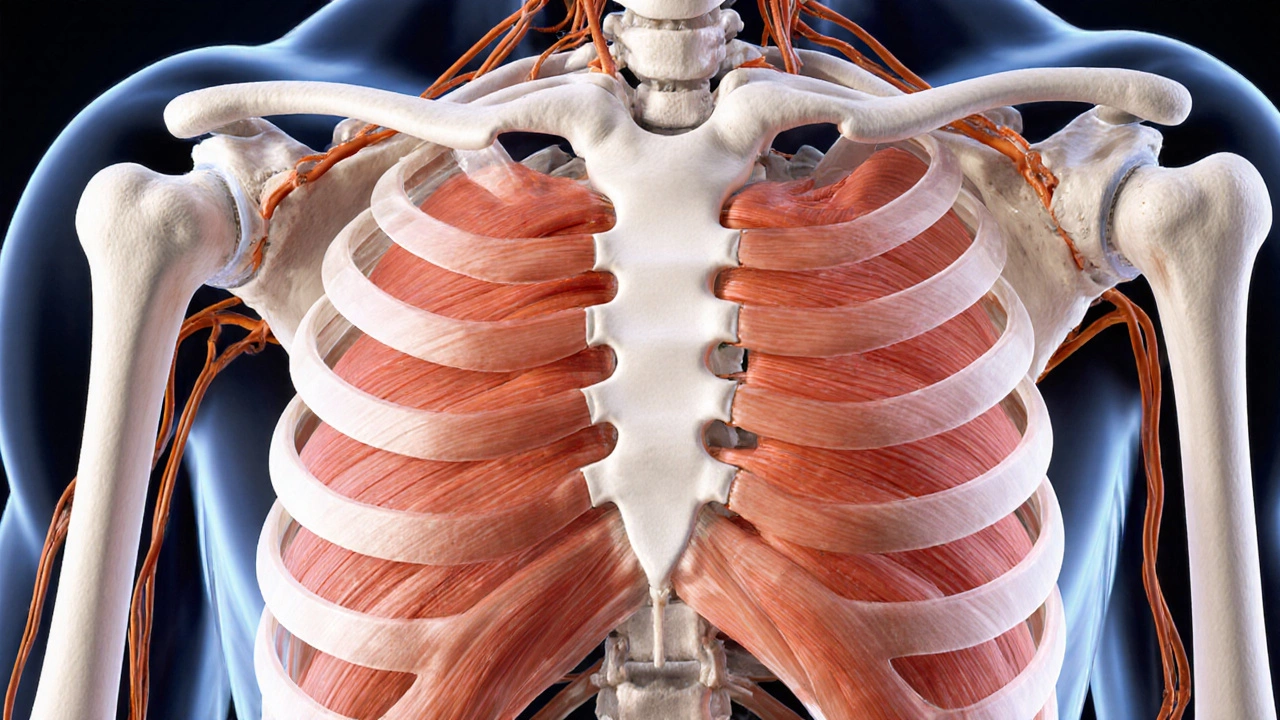
What Body Parts Does an Orthopedic Doctor Treat?
Learn exactly which body parts an orthopedic doctor treats, from bones and joints to muscles, ligaments, and the spine, plus diagnostics, common conditions, and treatment options.

Best Doctor for Bones: How Orthopedic Specialists Can Help You Heal
Confused about which doctor to see for bone issues? This article explains exactly what an orthopedic doctor does, how they differ from other specialists, and when you need to see one. Get practical tips for picking the right orthopedic specialist, interesting facts about bone care, and learn what to expect during your hospital visit. Find out how to spot the real experts so you can get back on your feet fast.