Cancer Treatment: What Works, What Doesn’t, and Where Indian and European Medicine Meet
When it comes to cancer treatment, a combination of surgery, chemotherapy, radiation, and increasingly, targeted therapies and immunotherapies used to combat malignant cells. Also known as oncology care, it’s not just about killing cancer—it’s about keeping the person alive and well enough to live. Many people assume treatment means going full force with drugs and procedures, but the reality is more nuanced. Success often depends on timing, type of cancer, overall health, and yes—even how well your body can handle the stress of treatment.
That’s where Ayurveda, a 5,000-year-old Indian system of medicine focused on balance, digestion, and detoxification through diet, herbs, and lifestyle. Also known as traditional Indian medicine, it isn’t replacing chemotherapy, but it’s being used alongside it in clinics across Europe and India. Patients report less nausea, better sleep, and improved energy when herbal support like turmeric, ashwagandha, and guduchi is added under professional guidance. This isn’t magic—it’s science. Studies from the National Institutes of Health and Indian Council of Medical Research show certain Ayurvedic herbs can reduce inflammation and protect healthy cells during radiation.
But not all supplements are safe. Some herbs interfere with chemo drugs. Others increase bleeding risk during surgery. That’s why integrative oncology—where doctors from both worlds talk to each other—is growing fast. In Germany and the UK, hospitals now have oncologists who consult with Ayurvedic practitioners to create personalized plans. It’s not about choosing between East and West. It’s about using both. You don’t need to believe in Ayurveda to benefit from its evidence-backed support for immune function, liver health, and emotional resilience during treatment.
And it’s not just about the medicine. Cancer treatment is also about money, access, and emotional support. A patient in Mississippi might pay less for a round of chemo than someone in Sydney. A person in Pune might get daily yoga and herbal teas covered under community health programs, while in London, they’re paying out-of-pocket for counseling. The chemotherapy side effects, the fatigue, nerve pain, and mental fog that follow treatment. Also known as cancer-related fatigue, it doesn’t disappear when the drugs stop. Recovery takes months, sometimes years. That’s why the best care includes nutrition plans, mobility support, and mental health tools—not just prescriptions.
What you’ll find below aren’t just articles. They’re real stories and facts from people who’ve been through it. From how to manage pain after surgery, to whether insurance covers new cancer drugs, to what blood tests actually tell you about your recovery—each post cuts through the noise. No fluff. No hype. Just what you need to know when you’re trying to figure out your next step.

Can Cancer Be Cured Completely? Understanding Remission and Modern Treatments
Explore the reality of cancer cures in 2026. Learn about remission, highly curable cancers, and how early detection and modern treatments like immunotherapy improve survival rates.
What Type of Cancer Has No Cure? The Truth Behind Common Misconceptions
There's no such thing as a cancer type with no cure. Survival rates depend on early detection, treatment advances, and individual factors. This article explains why common beliefs about incurable cancers are misleading and how modern medicine is improving outcomes.
Cancer Treatment: What's the Main Way Doctors Fight Cancer?
Wondering how cancer is treated these days? This article covers the main options doctors use to fight cancer, including how they work and what you can expect. Learn about chemotherapy, surgery, radiation, and newer treatments like immunotherapy. Get practical tips on questions to ask and what side effects might pop up. If you or someone you know is facing cancer, this article breaks it all down in simple terms.
Easiest Cancer to Treat: What You Should Know
People often wonder if there’s such a thing as an 'easy' cancer to treat. This article breaks down which cancers respond best to treatment, with real info you can use. We’ll talk about what makes a cancer more treatable, why some types like thyroid cancer have good outcomes, and the practical steps from diagnosis to follow-up. Learn what impacts success rates and get tips about catching things early. The goal? Give you peace of mind and practical advice, not scare tactics or false hope.
Cancer Not Curable: When Is It Too Late?
This article digs into the crucial moment when cancer becomes incurable. It explains the differences between treatable, manageable, and terminal cancer, and highlights what 'curable' means in the context of oncology. With real-life scenarios and straightforward facts, the piece guides you through late-stage symptoms, treatment choices, and quality of life questions. You'll also find honest advice for families facing tough decisions. By the end, you'll understand what doctors really mean when they say a cancer is no longer curable.
Natural Ways to Combat Cancer Cells
Many are searching for alternative methods to support cancer treatment naturally. This article delves into practical, natural ways that could help destroy cancer cells alongside conventional therapies. From diet modifications to understanding the role of stress reduction, discover approaches that aim to enhance your body's natural defenses. Explore how lifestyle changes can potentially complement medical treatments for battling cancer.

Silent Killer Cancer: Understanding the Threat
Silent killer cancers, like ovarian and pancreatic cancers, are notoriously hard to detect early because they rarely show symptoms. These cancers often advance to late stages before discovery, making effective treatment more challenging. Early detection and awareness of subtle changes in health can critically impact outcomes. This article explores these cancers, their characteristics, and the importance of regular medical check-ups.
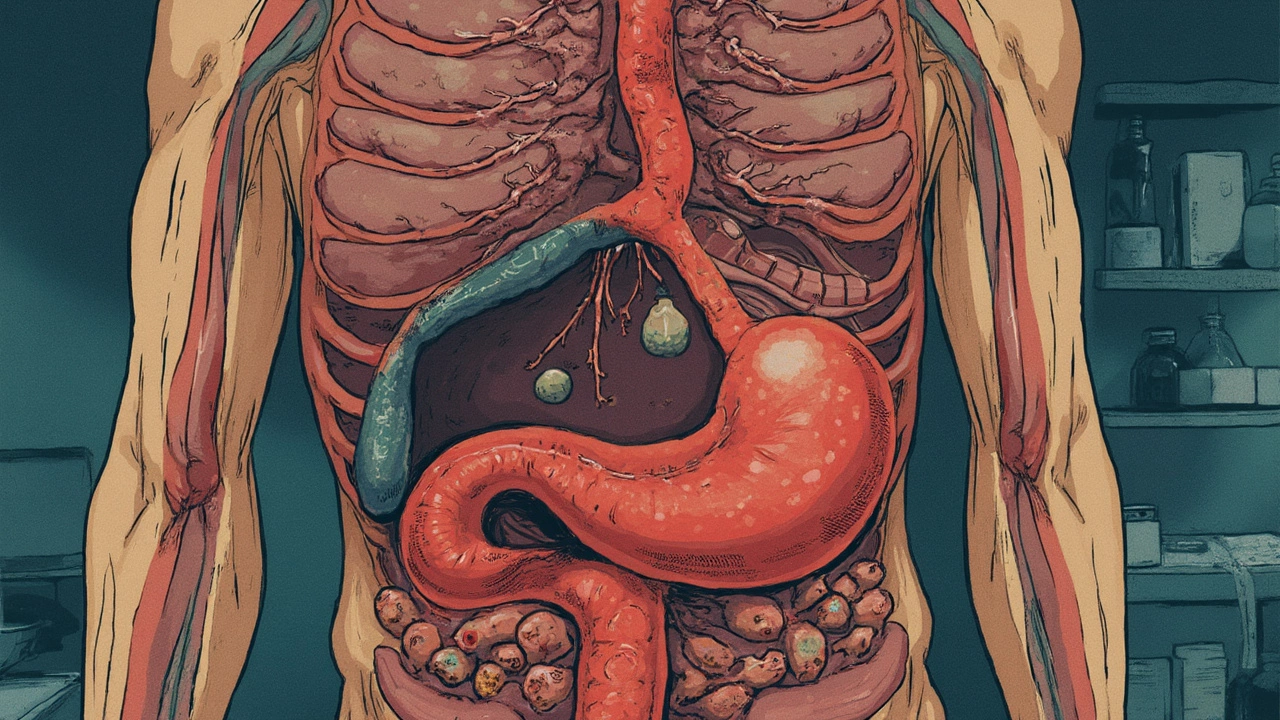
The Toughest Cancer to Tackle: An Insight into Challenging Treatments
Pancreatic cancer is notoriously difficult to treat because of its late detection and aggressive nature. This article explores why it's often deemed the hardest cancer to cure, shedding light on the challenges of treatment and the latest advances in medical science. Learn about the symptoms to watch for, treatment options available, and the importance of early detection. Discover real-life stories and tips from survivors that could offer a ray of hope. Stay informed about ongoing research and trials that aim to tackle this formidable disease.
The Challenge of Treating Pancreatic Cancer: Insights and Strategies
Pancreatic cancer is widely recognized as one of the most challenging types of cancer to treat. It is characterized by its late detection and aggressive nature, often leading to a difficult prognosis. This article delves into why pancreatic cancer is so hard to treat, highlighting factors such as its unique biology and common misconceptions. It also provides an overview of current and emerging treatment strategies aimed at improving outcomes. Useful tips for patients and their families on managing the journey are included.

Can the Body Fully Heal After Chemotherapy? Insights on Recovery
Chemotherapy is a common but powerful method for treating cancer, aiming to destroy rapidly growing cancer cells. However, it also affects healthy cells, leaving the body in need of substantial recovery. This article delves into what happens to the body during and after chemotherapy, exploring the potential for complete recovery. Learn about the side effects, factors that influence healing, and tips for managing the journey to regain health.