Heart Surgery Risks: What You Need to Know Before the Operation
When you hear heart surgery, a medical procedure to repair or replace damaged heart tissue, vessels, or valves. Also known as cardiac surgery, it can save lives—but it’s not without serious risks. Whether it’s a bypass, valve replacement, or transplant, your heart is being opened, stopped, and restarted. That’s not minor. Even the most routine procedures carry real dangers, and not everyone talks about them upfront.
The biggest heart surgery risks, include bleeding, infection, stroke, and irregular heart rhythms. These aren’t rare. About 1 in 20 people experience a major complication after open-heart surgery, according to large hospital studies. Older patients, those with diabetes, or people with kidney problems face even higher odds. Then there’s heart transplant recovery, a lifelong process involving immune-suppressing drugs and constant monitoring for organ rejection. It’s not just about healing the chest—it’s about relearning how to live with a new heart.
Recovery time matters too. Some surgeries take weeks. Others, like a heart transplant, the most demanding cardiac procedure due to lifelong medication and invisible healing, can take a year or more to feel normal again. You might think you’re fine after the hospital stay, but fatigue, brain fog, and depression are common. That’s not weakness—it’s biology. Your body just went through a massive trauma.
And it’s not just the surgery itself. Medications, diet, movement, and mental health all play into how well you recover. Skipping rehab? That’s a risk. Not taking your pills? That’s a risk. Ignoring chest pain or shortness of breath after surgery? That’s a major red flag. The best outcome doesn’t come from a skilled surgeon alone—it comes from your choices after the operation.
What you’ll find below are real stories and facts from people who’ve been through this. Some wrote about the longest healing times after heart surgery. Others shared how they managed pain, handled insurance denials for critical meds, or adjusted to life after open-heart surgery. These aren’t theoretical guides. They’re hard-won lessons from patients who survived—and learned what no brochure ever told them.
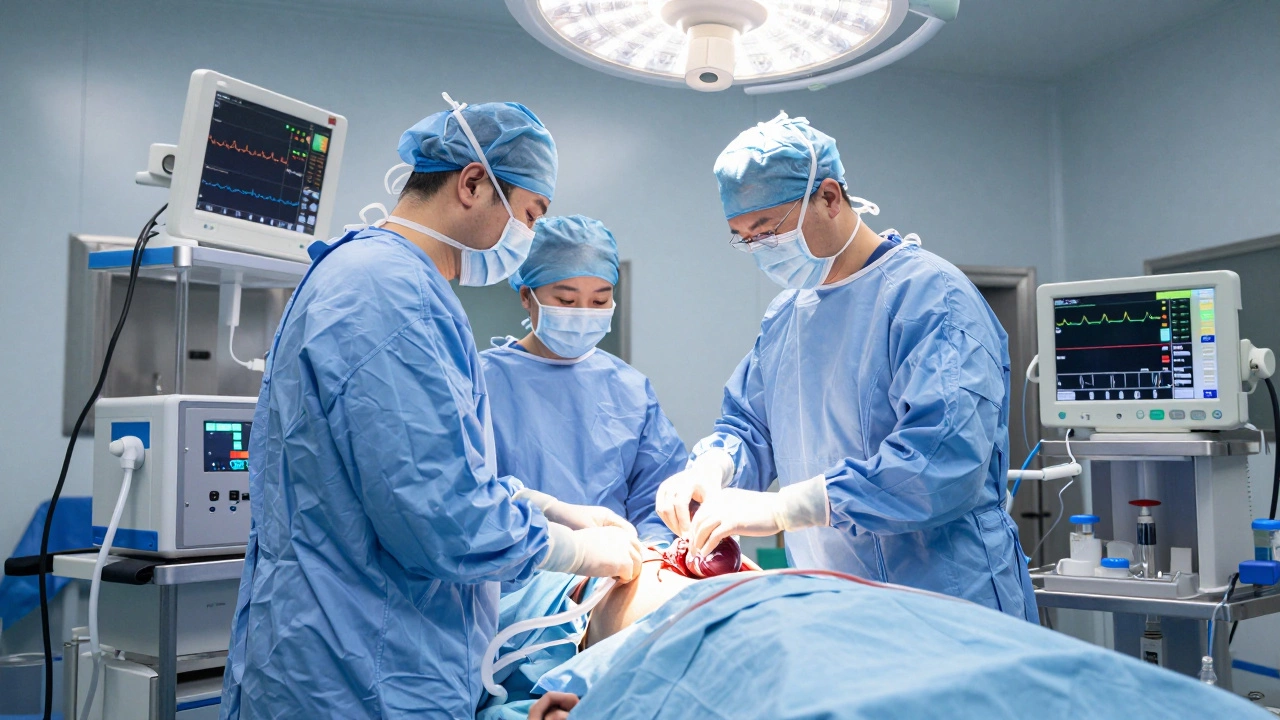
What Happens If Your Heart Stops During Surgery?
If your heart stops during surgery, it’s not the end. Surgeons are trained to handle this exact scenario. Learn how the team responds, what happens next, and why survival rates are higher than most people think.

At What Age Do They Stop Doing Open-Heart Surgery?
There's no age limit for open-heart surgery. Doctors decide based on health, not birthdays. Seniors in their 80s and 90s regularly undergo heart surgery with high success rates when they're otherwise healthy.