Musculoskeletal System: Pain, Strength, and Healing Through Ayurveda and Modern Medicine
When your musculoskeletal system, the network of bones, muscles, tendons, and ligaments that lets you move, stand, and lift. Also known as the locomotor system, it’s what keeps you walking, bending, and holding your grandchild. But when it hurts, everything stops. It’s not just about aging. It’s about how you move, what you eat, and whether you treat the root cause—or just the symptom.
Many people think joint pain is just part of getting older. But that’s not true. A 70-year-old with strong muscles and healthy connective tissue can move better than a 45-year-old who sits all day. The muscle loss, the gradual weakening of muscle mass, especially after 50 you see in posts about metabolism after 55 isn’t just about weight—it’s about losing the support your skeleton needs. And when your joints, the hinges where bones meet, cushioned by cartilage and lubricated by fluid wear down, your body compensates. That’s when back pain, knee stiffness, or stiff shoulders show up. Ayurveda calls this imbalance Vata dosha—dryness, instability, and movement gone wrong. Modern medicine sees it as osteoarthritis, tendonitis, or degenerative disc disease. Same problem. Different language.
You’ll find posts here that connect directly to this. Like how knee replacement recovery isn’t just about surgery—it’s about learning to sit on the toilet safely again. Or how heart surgery recovery often leaves people weak in their limbs because they’ve been bedridden too long. Even weight loss after 50 ties in: losing fat helps reduce pressure on joints, but losing muscle makes it worse. The right balance? Protein, movement, and rest. Ayurveda adds herbal oils, warm compresses, and yoga poses tailored to your body type. Science adds strength training, blood tests to check vitamin D and inflammation, and physical therapy protocols proven in clinics.
This isn’t about choosing between East and West. It’s about using both. If you’re tired of painkillers that don’t fix anything, or yoga classes that don’t help your stiff hips, you’re looking for the middle ground. The posts here don’t promise miracles. They show what actually works: how to rebuild strength after surgery, how to ease arthritis without drugs, how to move better even if you’re 65. No fluff. No magic herbs that don’t exist. Just real connections between what you feel in your body and what science and tradition say about fixing it.
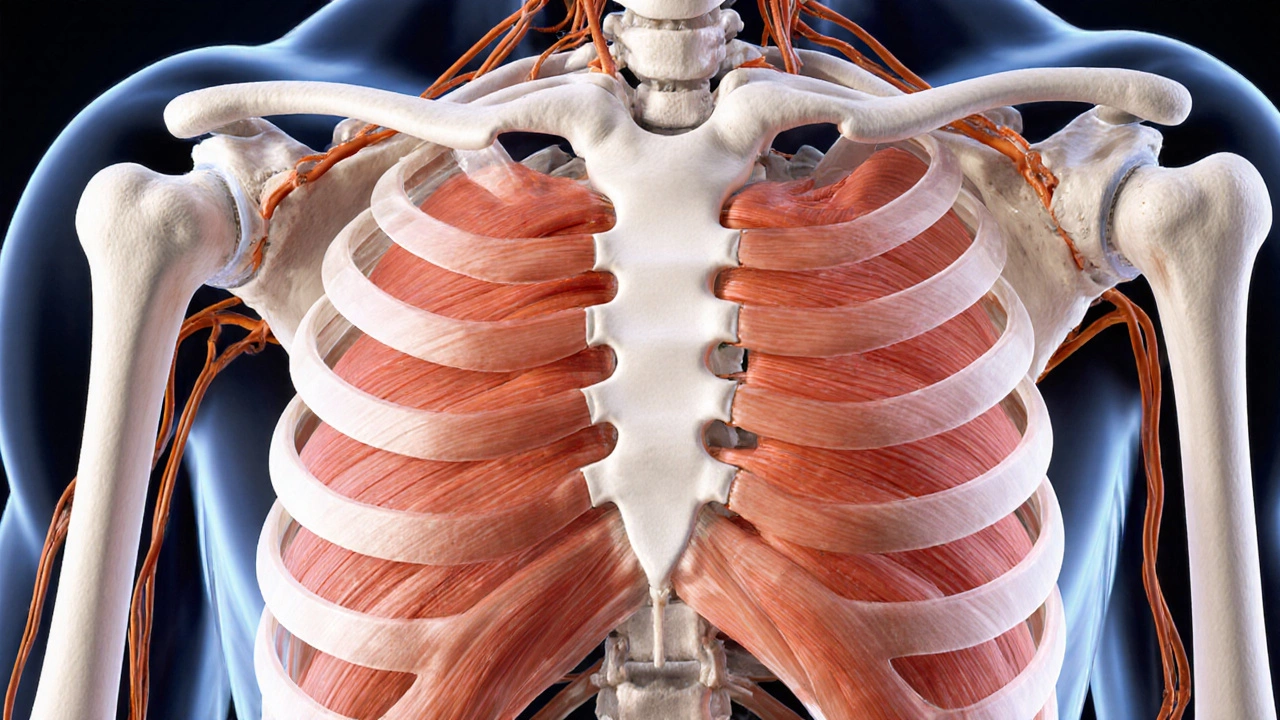
What Body Parts Does an Orthopedic Doctor Treat?
Learn exactly which body parts an orthopedic doctor treats, from bones and joints to muscles, ligaments, and the spine, plus diagnostics, common conditions, and treatment options.